Loading
Ordering custom Polo Shirts for your retail brand seems straightforward until your first bulk order arrives. Suddenly, you’re dealing with colors that fade after one wash, sizing that’s inconsistent across the batch, and delivery delays that make you miss your season launch. These issues don’t just create customer complaints; they damage your brand’s reputation. The difference between a successful product line and a warehouse full of unsellable stock often comes down to the supplier vetting you do before placing that first large order.
As a sportswear production specialist with over a decade of hands-on factory experience, I’ve seen these problems firsthand. Buyers often focus on the unit price but overlook the hidden costs of poor quality control. This guide outlines a professional sourcing process to help you secure a reliable manufacturing partner and produce polo shirts that your customers will be happy to wear again and again.
The look and feel of a polo shirt are determined by its fabric and print quality. These are not areas to compromise on, as they directly impact customer satisfaction and perceived value. For performance and casual wear, the material choice is fundamental.
We exclusively use 100% polyester for our performance garments, typically in a weight of 140-160 gsm (grams per square meter). This weight offers an ideal balance between durability and breathability. The fabric features moisture-wicking properties to draw sweat away from the body and 4-way stretch for unrestricted movement, making it suitable for both athletic and everyday activities. When you evaluate suppliers, always ask for these specific technical details.
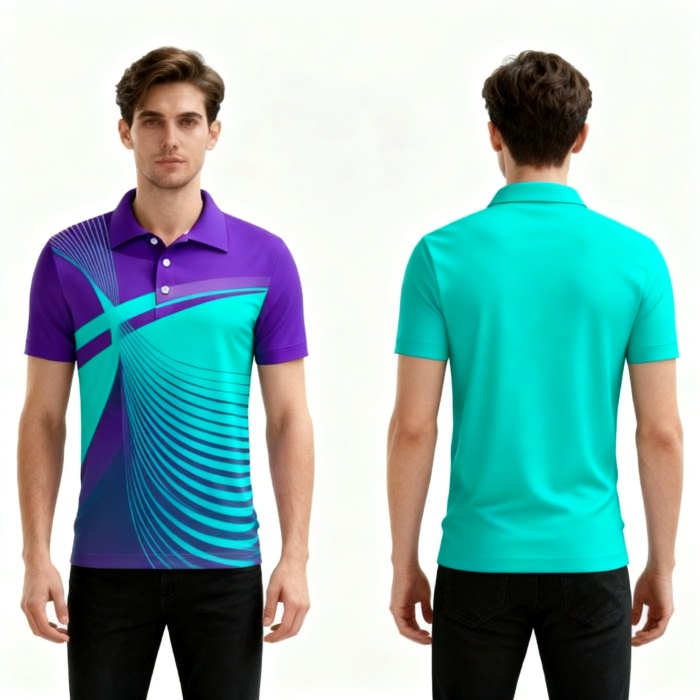
For printing, dye-sublimation is the superior method for polyester garments. Unlike screen printing, which lays ink on top of the fabric, sublimation infuses the ink directly into the fibers. The result is a design that won’t crack, peel, or fade over time. One of the most common complaints from teams and retailers is color degradation after washing. At Hening, we solve this by using specialized locked-color inks and stand behind our process with a 1-year colorfastness guarantee. When sourcing, ask potential suppliers about their ink technology and if they offer any guarantees on print longevity. This is a clear indicator of their confidence in their production quality.
Before committing to a bulk order of hundreds or thousands of units, a thorough vetting process is essential. This protects your investment and ensures the final product meets your brand’s standards. Skipping these steps is a risk that can lead to significant financial loss and inventory problems.
Here is a systematic workflow to evaluate a potential apparel manufacturer. I recommend treating this as a mandatory checklist before signing any production agreement.
| Evaluation Step | What to Check | Why It Matters (The Risk of Skipping) |
|---|---|---|
| 1. Fabric Swatches | Request physical samples of the exact fabric options (e.g., 140 gsm vs. 160 gsm polyester). Check the feel, stretch, and breathability. | A website photo cannot convey texture or weight. You might end up with a product that feels cheap or is inappropriate for your target market’s climate. |
| 2. Fit Samples (Pre-Production) | Order a physical sample of a polo shirt in a standard size (e.g., Medium or Large) made with your chosen fabric and design. Test the fit on a real person or mannequin. | Sizing is not universal. A supplier’s “Large” might be your market’s “Medium.” Skipping this leads to high return rates and customer frustration with inconsistent sizing. We mitigate this with a verified size chart, but a physical sample is the ultimate confirmation. |
| 3. Color Consistency | Provide Pantone (PMS) color codes for your design. When the sample arrives, compare the printed colors to your physical Pantone swatch book under neutral lighting. | Screen calibration varies. What looks correct on your monitor may print differently. If your brand identity relies on a specific shade of blue, a slight variation can make your product look unofficial or low-quality. |
| 4. Production Capacity & Certification | Ask about their daily/weekly output, number of production lines, and quality management certifications. For example, our facility is ISO 9001 certified and has a daily output of over 1000 custom jerseys. | A small workshop cannot handle a large retail order without subcontracting, which risks quality control. A lack of certification like ISO 9001 may indicate inconsistent processes. You need a partner who can scale with your business and meet deadlines reliably. |
Experienced importers learn to avoid certain pitfalls that can turn a profitable product line into a financial burden. For those new to Custom Casual Wear sourcing, being aware of these common mistakes is the first step toward protecting your margins.
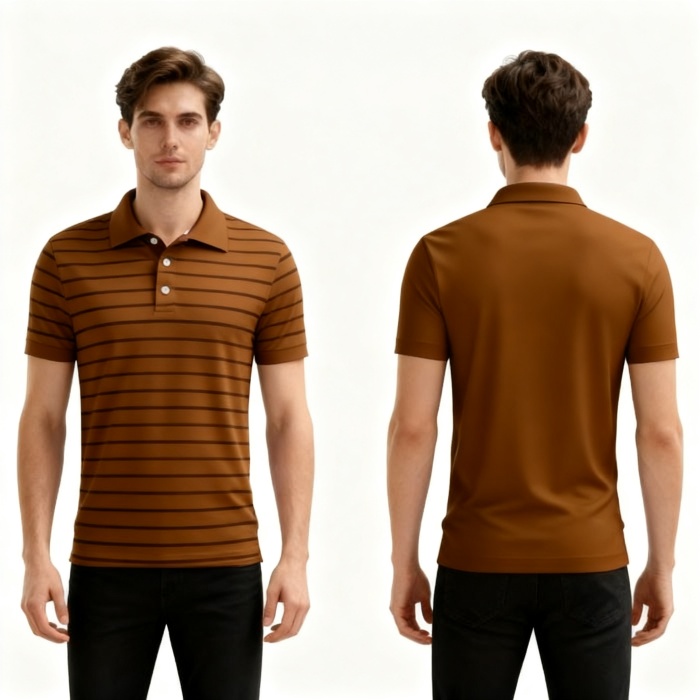
A well-structured ordering process minimizes misunderstandings and ensures both you and the supplier are aligned on expectations. Following a clear, step-by-step procedure prevents errors in your final product.
Here’s a simple workflow for placing a professional manufacturing order:
By following this structured approach, you establish a professional relationship with your supplier and greatly reduce the risk of costly errors. It turns sourcing from a guessing game into a predictable business process.
Sourcing high-quality Polo Shirts is entirely achievable when you approach it with a clear, systematic process. By focusing on material quality, conducting thorough pre-order vetting, and structuring your order professionally, you can build a reliable supply chain that supports your brand’s growth.
If you’re ready to produce custom apparel with guaranteed colorfastness and consistent quality, our team is here to help. Contact us to discuss your design and request a fabric sample.






 WhatsApp
 Email
 +8618978569271