Loading
What physically separates a genuine Vibrant City Edition Basketball Set from a convincing copy once the product is in your hands? Photos and price tags rarely answer that. The evidence sits in the stitching, the graphic edges, the weave of the fabric and the labels inside the garment. This guide gives buyers, collectors and resellers a repeatable inspection routine, with the checkpoints and the usual reasons each one fails.
A note on our position. Hening Clothing Co., Ltd is a custom sportswear manufacturer. We make sublimated team uniforms to order, not licensed league merchandise, so the licensing advice below is about what to verify, not what we issue. Our production experience does help explain why certain flaws show up in imitations.
Start with a quick triage. Five areas reveal most problems in under ten minutes, and no single one proves anything alone. Treat the results as a pattern. One weak area may be a factory variance. Three weak areas is a warning.
| Area | Typical genuine behavior | Typical imitation warning sign |
|---|---|---|
| Graphics | Clean edges, even thickness, consistent placement left to right | Raised, glossy patches, lifting corners, crooked numbers |
| Trim | Neck and armhole binding follows the cut line; stitch spacing is even | Wavy binding, mismatched stripe alignment, loose threads at stress points |
| Fabric | Consistent texture and weight across panels | Shiny or scratchy hand feel, visible weave differences between front and back |
| Jock tag | Crisp logo, stable finish, secure stitching | Fuzzy logo edges, off-center placement, tag that peels |
| Labels | Legible care and licensing information, consistent with the brand’s format | Blurry print, spelling errors, missing or vague licensing text |
Limit of this table: brands change tag formats between seasons, and a first-run release may differ slightly from a restock. Always compare against a confirmed genuine reference of the same release, not against memory.
This is the routine we recommend. Work through it in order, with the garment turned inside out for steps one and three. Each step has a clear pass condition and a list of reasons it commonly fails.
Common failure reasons: insufficient press time or temperature, low grade film, and poor alignment during placement. Limit: some genuine sets use sublimated graphics instead of applied ones, so a flat printed area without a raised edge is not suspicious by itself.
Common failure reasons: panels cut from stretched fabric, operators rushing curved seams, and cheap thread that loosens at stress points. Limit: slight variance of a few millimeters can appear on genuine pieces from high volume lines.
Common failure reasons: substitution with low cost polyester, mixed fabric lots, and finishing treatments that wash out quickly. Limit: weight and feel vary by brand and release, so you need a verified sample of the same model.
Common failure reasons: low stitch count embroidery, reused artwork from another season, and tags attached by a different method than the original. Limit: tag styles are redesigned between editions.
Common failure reasons: copied labels with blurry print, codes that do not match the model, and missing authorization paperwork. Limit: a perfect label can still be paired with a fake garment, and labels can be swapped, so this step supports the others instead of replacing them.
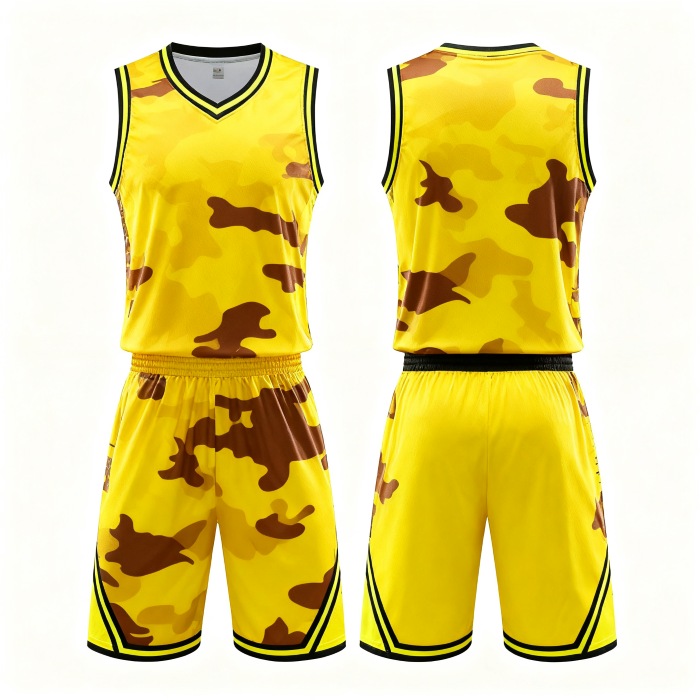
Two quick checks add evidence without damaging the garment. First, rub a damp white cloth on an inconspicuous printed area for ten seconds. Color transfer suggests unstable ink or dye. Second, check hand feel after a gentle wash cycle if the seller allows returns. Fading, peeling or shrinkage after one wash is a red flag.
For reference, our own custom basketball uniforms use 100% polyester, moisture wicking fabric at 140 to 160 gsm, with 4 way stretch and locked color inks in dye sublimation printing. That gives you a benchmark for what a well made performance fabric feels like. It does not mean every genuine licensed product uses the same specification, so do not treat it as a rule for authenticity.
Suppose a reseller is offered a lot of 24 sets from an unfamiliar supplier. A practical screening plan looks like this:
The limit here: a small sample cannot guarantee a whole lot. If boxes come from different sources, increase the sample size.
If your real goal is a uniform for a team, club or event, chasing a licensed product may not be necessary. Custom sublimated sets avoid authenticity risk because you control the design and know the maker. Our Basketball Jerseys and Custom Team Jerseys ranges are built for that purpose. Teams that want matching warm up wear can also look at our Custom Sport Jacket options.
Here is what supports that choice at our factory:
Real examples: we supplied 500+ sublimated jerseys for a US high school basketball league and produced full custom uniforms for an Australian soccer club’s three teams. Both used a verified size chart to avoid sizing disputes. Limit: a custom set will not carry any league or brand license, so it is not suitable if you need officially licensed merchandise for retail resale.
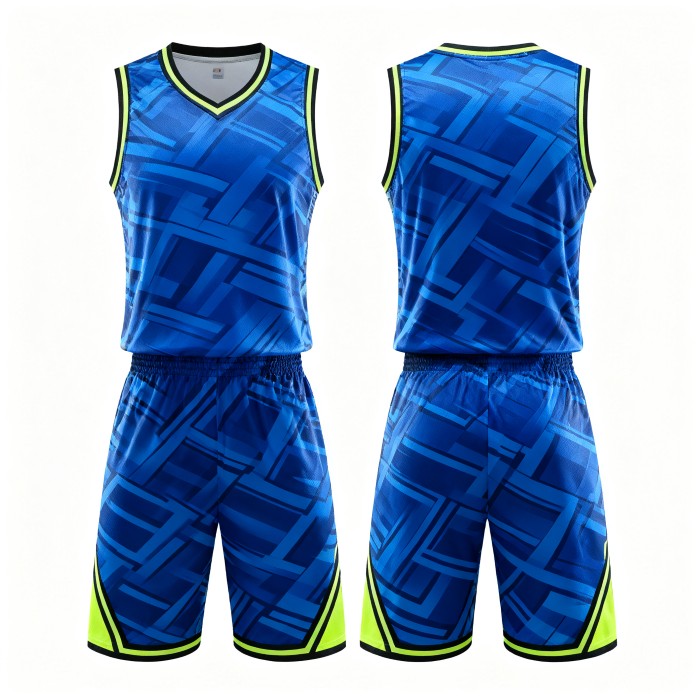
If you want to compare a reference piece against a custom build, send us your design, quantity and target date. We can quote and arrange a sample so you can judge print quality, fabric and stitching yourself.






 WhatsApp
 Email
 +8618978569271