Loading
The costliest surprise in a bulk order is rarely the unit price. It is finding out after payment that the sample cycle ate your launch window, that the minimum quantity applies to your decoration method but not the one on the quote, or that sizes run differently from your last batch. For anyone sourcing custom casual wear, three answers decide whether an order is feasible: how small you can start, what you can approve before cutting fabric, and when cartons will actually ship.
I’m Linjing He, and I’ve spent 10 years in custom sportswear manufacturing. The sections below answer the questions buyers ask us most, including where the limits are.
Yes, we set no minimum order quantity. Price, however, is based on quantity. A 20 piece order is possible, but it will cost more per piece than a 500 piece order. Fixed work such as artwork preparation, printing setup and cutting is spread across fewer garments.
That makes it a good fit for small clubs, boutique brands testing a first drop, and distributors who want to validate a design before committing. It is a poor fit if you expect wholesale pricing on a handful of pieces.
| Order size | What to expect | Best used for |
|---|---|---|
| Sample or a few pieces | Highest cost per piece; confirms fit, color and print quality | Final design check before a bulk PO |
| Small batch (club or pilot run) | Quantity pricing applies, but unit cost stays above bulk levels | Teams, local retailers, first season tests |
| Mid to large batch | Lower unit price as fixed work is spread out | Repeat brand lines, distributor stock |
| Event scale (500 to 1000+) | Best unit pricing; schedule planning matters most | Leagues, marathons, promotions |
For reference, we supplied 500+ sublimated jerseys for a US high school basketball league and delivered 1000 event jerseys for a European marathon. Both show that the same workflow scales from small to large runs. Ask for a tiered quote at two or three quantities so you can see where your price breaks fall.
This is where buyers get caught. “Low MOQ, fast mockup, 7 to 10 days” is true for some decoration routes and not for others. Our core process is dye sublimation printing, run on 5 automatic printing lines in our 1000 sqm Guangzhou factory. The table separates what is realistic from what needs written confirmation.
| Route | Low MOQ realistic? | Digital mockup | Bulk lead time | Limits |
|---|---|---|---|---|
| Full dye sublimation on 100% polyester (140 to 160 gsm) | Yes, no MOQ; price follows quantity | Yes, approve artwork and colors before production | Standard production 7 to 10 days; rush orders available | Works on polyester only; colors depend on approved artwork and fabric base |
| Fabric weight outside 140 to 160 gsm, or non polyester blends | Ask first | Mockup possible, but print result may differ | Not covered by the 7 to 10 day figure | Request a physical sample before any bulk commitment |
| Other add on decoration (for example embroidery or applied patches) | Confirm per request | Confirm per request | Quoted separately | Do not assume the sublimation timeline applies |
Three rules follow from this:
If you are sourcing a broader range, such as Custom Casual Wear alongside team lines, group items by decoration method on your RFQ. A mixed order can then be scheduled realistically.
Skipping steps is how timelines slip. This is the order we recommend:
We do not quote a fixed sample turnaround here, because it depends on design complexity and your fabric request. Ask for the sample date when you request the quote and put it in your schedule.
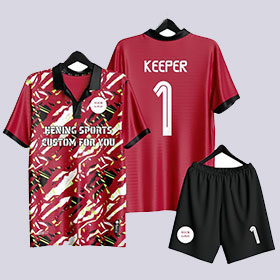
Our standard production runs 7 to 10 days, and rush orders are available. Daily output is 1000+ custom jerseys across the printing lines, so capacity is rarely the bottleneck. Approvals are. In my experience, most schedule slips start on the buyer side: late artwork changes, unconfirmed sizes, or a second round of color corrections.
Say a distributor needs a seasonal drop on shelves for a promotion. Working backward from that date, they allow time for mockup approval, a physical sample, the 7 to 10 day production window and shipping. Only if the sample date or shipping window is too tight do they ask about rush production, which we handle case by case. Starting with a firm shelf date makes the rush question specific enough to answer honestly.
Teams and brands most often complain about three things: prints that fade after washing, sizes that vary between batches, and late delivery. We address the first two directly. Locked color inks are used to keep sublimated color vivid wash after wash. A verified size chart is used to keep fit consistent. The fabric is 100% polyester, moisture wicking and 4 way stretch, at 140 to 160 gsm for breathability.
The commercial protection matters as much as the process. We offer a free reprint for any printing defect or wrong size, and a 1 year colorfastness guarantee. Read the exact terms in your quote, and run your own wash test on the sample before approving bulk.
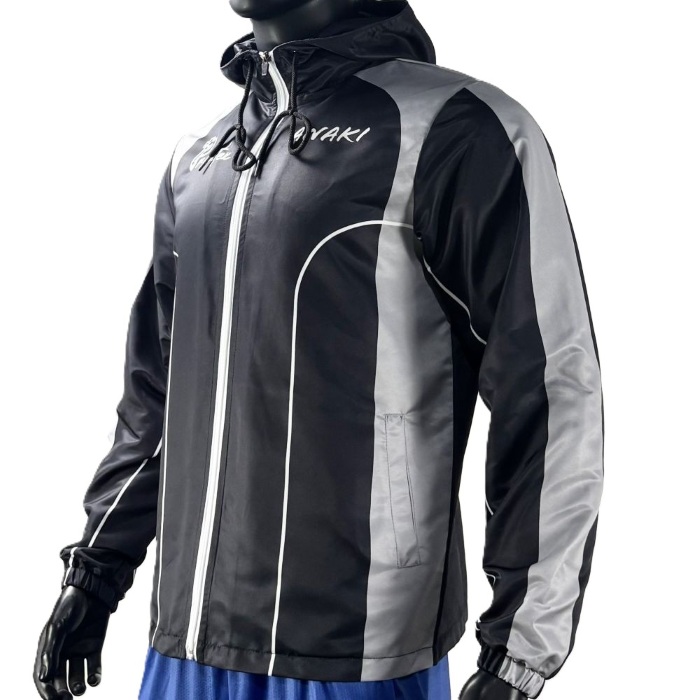
Real orders show how this works in practice. We produced full custom uniforms for an Australian soccer club’s three teams, where consistent sizing across squads matters. We also supplied training sportswear for sports retailers in New Zealand, where repeat stock needs to match earlier batches. If your range crosses into team products, see our Custom Team Jerseys and Soccer Jerseys pages. For outerwear, check the Custom Sport Jacket range, and ask about fabric weight first, since heavier materials sit outside our 140 to 160 gsm specification.
A complete request gets a faster, more accurate answer on MOQ pricing, mockup timing and delivery. Before you send it, confirm:
If you send us your quantity, artwork and target date, we will confirm the MOQ pricing, mockup steps and a realistic production window before you commit. You can request a quote or a sample through hnjersey.com.






 WhatsApp
 Email
 +8618978569271