Loading
When you request quotes for custom polo shirts, the price variations can be frustrating. One supplier is 30% cheaper than another for what seems like the same product. The reason often isn’t the supplier’s margin; it’s the small specification details you may have overlooked. Ordering based on the lowest price without a clear spec-for-spec comparison is a significant risk. You might receive shirts made from thin, cheap-feeling fabric that fades after two washes, or find that the sizing is completely inconsistent across the batch.
As a sportswear production specialist with 10 years on the factory floor, I’ve seen this happen countless times. A buyer approves a low-cost sample, only to find the bulk order doesn’t match the quality they expected. The key to avoiding this is to understand how your choices directly influence the final landed cost. This guide breaks down the cost drivers so you can create a precise Request for Quotation (RFQ) and compare supplier offers with confidence.
The ex-factory price is only one part of your total cost. To budget accurately, you need a landed-cost model that accounts for the garment’s specifications, decoration, and logistics. Many buyers focus only on fabric type (e.g., cotton vs. polyester), but for performance apparel, the details within a single fabric category matter more.
At Hening, we specialize in 100% polyester performance wear because it’s the ideal canvas for vibrant, durable dye-sublimation printing—a technique that infuses ink directly into the fibers. This prevents the cracking, peeling, and fading common with screen prints. Below is a breakdown of how different specifications for a polyester polo shirt affect its unit cost.
| Cost Component | Standard Specification (Lower Cost) | Premium Specification (Higher Cost) | Impact on Price |
|---|---|---|---|
| Fabric | 100% Polyester, 140 gsm | 100% Polyester, 160 gsm with 4-way stretch | Higher GSM (grams per square meter) uses more raw material, increasing cost. A heavier fabric also offers a more premium feel and better durability. |
| Collar Construction | Self-fabric collar (same material as the body) | Rib-knit collar and cuffs | Rib-knit material is a separate component that requires additional sourcing and sewing steps, adding to labor and material costs. |
| Decoration | Simple 1-2 color spot sublimation logo | Full-coverage, multi-color custom dye-sublimation design | While sublimation costs are not strictly per-color, complex, full-coverage designs consume more ink and require more precise operator setup. |
| Buttons & Placket | Standard 2-button placket with plastic buttons | 3-button placket with custom-branded or rubberized buttons | Each additional button and buttonhole adds a small labor cost. Sourcing specialized buttons increases material expenses. |
| Freight | Standard sea freight | Express air freight (for rush orders) | Air freight can dramatically increase the per-unit landed cost, sometimes by several dollars per shirt, depending on weight and destination. |
By defining these variables in your RFQ, you ensure that every supplier is quoting on the exact same product, making your price comparison truly meaningful.
For athletic and team wear, 100% polyester is the standard for good reason. It’s durable, resistant to shrinking and wrinkles, and most importantly, it’s moisture-wicking. Unlike cotton which absorbs sweat and becomes heavy, polyester pulls moisture away from the skin to the fabric’s surface, where it can evaporate. This keeps the wearer cool and dry.
Within polyester, the key specification to consider is fabric weight, measured in GSM (grams per square meter). We typically work with a range of 140-160 gsm for our Custom Team Jerseys and polo shirts.
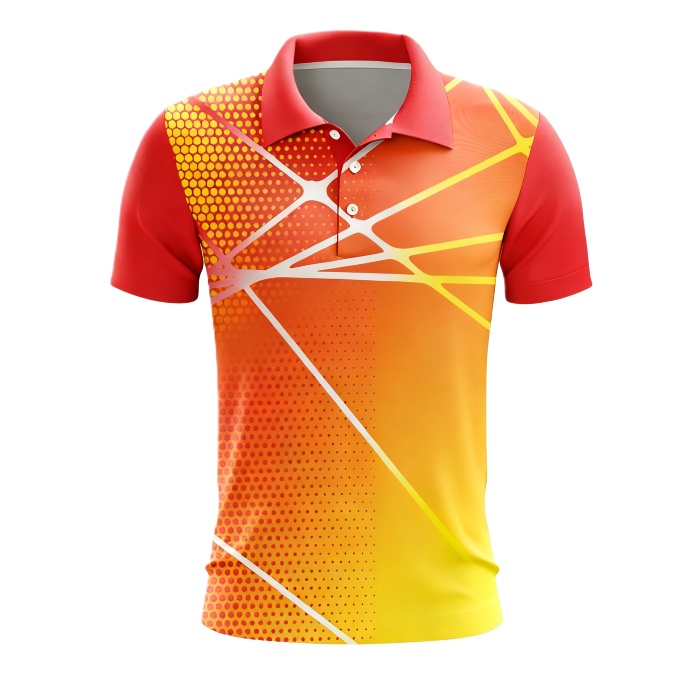
Both our 140 and 160 gsm options are 4-way stretch, moisture-wicking fabrics. The choice isn’t about good vs. bad, but about matching the fabric to its intended use and budget.
Two polo shirts made from the same 150 gsm polyester can have very different prices due to their construction and decoration. These details are often where manufacturers cut corners to offer a lower price, leading to poor long-term value.
Decoration is a major cost factor. For performance polo shirts, dye-sublimation is superior to screen printing or heat transfer vinyl. The ink becomes part of the fabric itself.
Why this matters for you:
This method was essential for the full custom uniforms we produced for an Australian soccer club’s three teams, allowing for intricate sponsor logos and club crests that remained vivid all season.
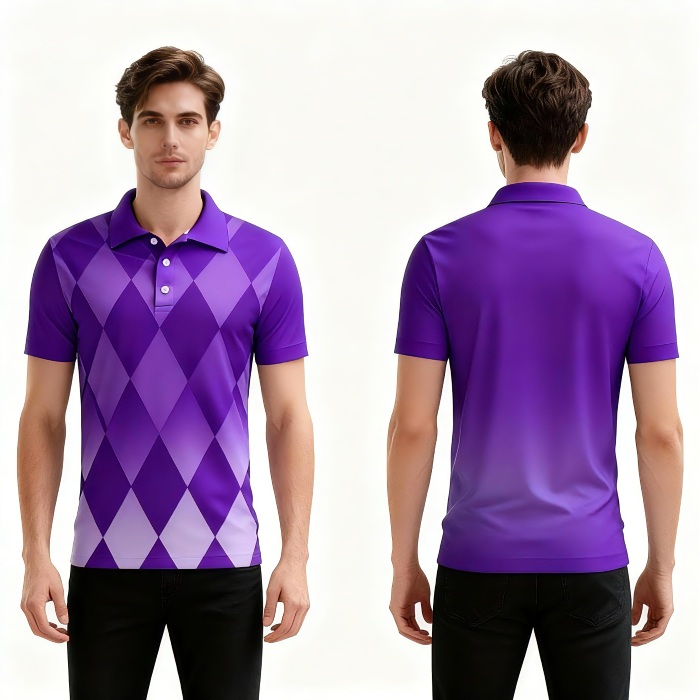
Controlling your landed cost isn’t just about picking the cheapest specs. It’s also about avoiding common process mistakes. Here is a checklist to review before placing your next order.
Ultimately, achieving the best landed cost is about finding a manufacturing partner who delivers predictable quality on a reliable schedule. Our 1000 sqm factory in Guangzhou is equipped with 5 automatic dye-sublimation printing lines, allowing us to produce over 1000 custom jerseys daily. This capacity, combined with our location in the jersey-making hub of Guiping, gives us control over the entire supply chain.
Whether you’re a sports retailer in New Zealand needing training wear or a US high school league requiring 500+ Basketball Jerseys, our process is designed for clarity and reliability. We provide a detailed quote based on your exact specifications, so there are no surprises. Our No MOQ policy and transparent pricing structure empower you to order exactly what you need, when you need it.
By understanding the factors that build the cost of a polo shirt, you can make informed decisions that balance performance, appearance, and budget.
Ready to get a precise quote based on your specifications? Send us your design and requirements, and we’ll provide a detailed cost breakdown with no hidden fees.






 WhatsApp
 Email
 +8618978569271