Loading
Your commemorative event is a one-time occasion. A late delivery or a box of jerseys with peeling numbers isn’t just a supplier error; it’s a failed milestone. For tournament organizers and alumni associations, sourcing a commemorative custom basketball kit carries risks that go beyond a standard team uniform order. The deadline is absolute, and the details—from legacy logos to a full roster of names—must be perfect. Getting these wrong means you have no second chance.
Many teams I’ve worked with have been burned by suppliers who promised fast turnarounds but failed to manage the pre-production details. They end up with faded colors after the first wash, inconsistent sizing that leaves some players with ill-fitting gear, or worse, a shipment that arrives after the event. Before you commit to a supplier, you need a clear process for verifying quality, managing data, and locking in a delivery date that protects your event. This guide outlines that process.
The single biggest point of failure for event-specific orders is a breakdown in communication before a single jersey is printed. A disorganized process for handling designs, player data, and deadlines is what leads to costly mistakes and missed event dates. We implement a structured pre-production workflow to prevent this. Here is a step-by-step procedure you can use to qualify any supplier.
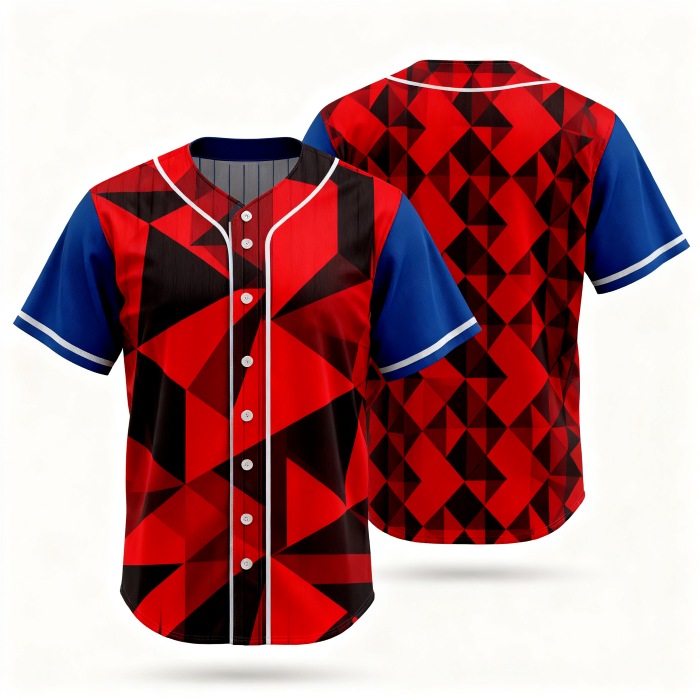
Use this checklist to ensure all critical variables are locked down with your supplier before you approve bulk production.
This structured approach removes ambiguity. It ensures that what you approve is exactly what gets manufactured, a process we used to successfully deliver 500+ sublimated jerseys for a US high school basketball league, where every player’s name and number had to be perfect.
A commemorative jersey shouldn’t just look good on game day; it should be a lasting memento. Unfortunately, many low-cost options fail quickly, with colors that fade and fabric that pills after just a few washes. Here’s what to inspect to ensure you are getting durable, high-performance apparel.
The most common complaint I hear is about sublimated prints that look dull or wash out. This is often due to low-quality inks or improper heat-press settings. We address this with dye-sublimation printing that uses locked-color inks, which are chemically bonded to the fibers. This is why we can offer a 1-year colorfastness guarantee on our prints. When evaluating suppliers, ask about their printing technology and if they stand behind their colors with a warranty.
Not all polyester is created equal. For athletic performance, the fabric should be functional. Look for these specifications:
A quality Basketball Jerseys collection should always specify the fabric weight and features, giving you a clear indication of its performance characteristics.
Receiving an order where the “Large” fits like a “Medium” is a frustrating experience, especially when dealing with a full team roster. This happens when suppliers lack a verified and consistent size chart. Before ordering, request the supplier’s detailed size chart with specific measurements (chest width, body length). At Hening, we use a standardized sizing block across all production runs to ensure consistency. As an added layer of security, our policy includes a free reprint for any wrong size caused by a manufacturing error, taking the risk off your shoulders.
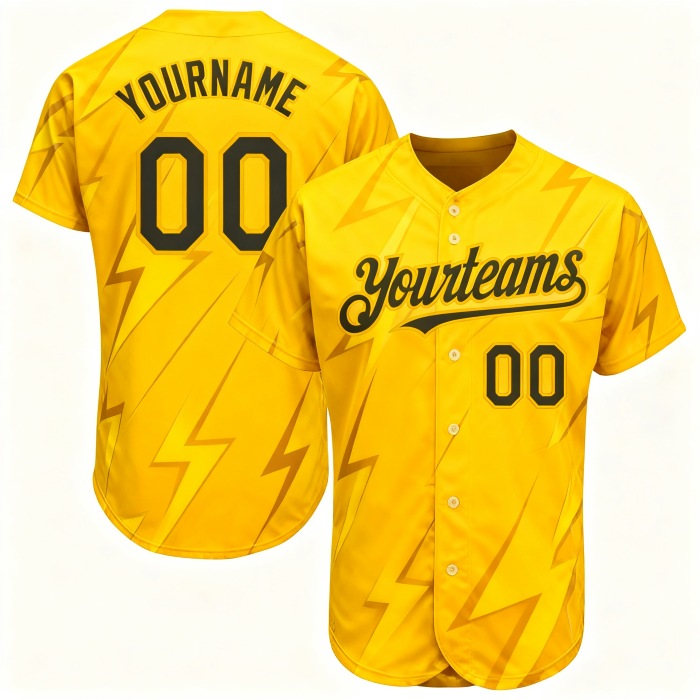
Your supplier’s production capabilities must align with your order size and deadline. A small workshop cannot handle a large event order on a tight schedule, while a massive factory might not offer the flexibility needed for a small team. Transparency here is key.
Our 1000-square-meter factory in Guangzhou is equipped with five automatic dye-sublimation printing lines, giving us a daily output of over 1000 custom jerseys. This capacity allowed us to confidently produce 1000 event jerseys for a European marathon, coordinating production waves to meet their strict logistical timeline.
However, large capacity doesn’t mean we don’t serve smaller groups. One of our core principles is having no MOQ (Minimum Order Quantity). This flexibility is perfect for:
The table below breaks down how production timelines typically work for event orders.
| Timeline Type | Production Lead Time | Best For | Considerations |
|---|---|---|---|
| Standard | 7-10 days (after proof approval) | Events planned 4-6 weeks in advance. | Allows ample time for design, approval, and standard shipping. Most cost-effective option. |
| Rush | Available upon request (typically 3-5 days) | Unexpected tournaments or events with tight deadlines. | Requires faster client approvals. May incur additional costs and necessitate expedited shipping. |
Whether you need 20 kits or 2,000, the key is to confirm that the supplier has both the capacity for large orders and the flexibility for small ones. Our experience ranges from outfitting an entire Australian soccer club with three full team kits to providing specialized Custom Team Jerseys for sports retailers in New Zealand.
The final step in de-risking your order is to vet the supplier’s credentials. Promises are easy to make, but documented processes and guarantees provide real assurance.
| Criteria | What to Look For | How Hening Clothing Measures Up |
|---|---|---|
| Quality Management | Internationally recognized certifications like ISO 9001, which indicates a commitment to consistent, documented processes. | Our factory is ISO 9001 certified, ensuring every order follows a standardized quality control procedure from fabric inspection to final packing. |
| Environmental Responsibility | Certifications like ISO 14001 show a supplier manages their environmental impact responsibly. | We hold an ISO 14001 certification for our environmental management system. |
| Product Guarantees | A clear, written policy on how they handle defects in printing, materials, or sizing. | We offer a free reprint for any printing defect or wrong size and a 1-year colorfastness guarantee. |
| Industry Specialization | Location within a known manufacturing hub can indicate deep supply chain access and expertise. | Our facility is located in Guiping, a famous jersey-making town, giving us access to a full local industrial chain for materials and talent. We’ve supplied diverse sportswear, including Soccer Jerseys and running singlets for events across Zimbabwe. |
By using this framework, you move from hoping for a good outcome to ensuring one. A professional supplier will not hesitate to provide this information. It’s the foundation of a reliable partnership and the key to getting a commemorative custom basketball kit that honors your event properly.
Have an upcoming event? Contact our team to discuss your timeline and design requirements, and we’ll provide a detailed quote based on a clear production schedule.






 WhatsApp
 Email
 +8618978569271