Loading
Most regret in apparel orders comes from a vague inquiry, not a bad factory. A club sends “breathable tennis shirts with our logo, 40 pcs” to six suppliers and gets six quotes built on six different assumptions: different fabric weights, different print methods, different size scales. Nobody can compare them. The cheapest quote wins, and the faded logo or the wrong size run shows up after the first wash or the first match day.
This guide covers Breathable Tennis Wear: Custom Logo Print from the buyer’s side of the table. It shows how to write a specification that makes quotes comparable, what to ask a supplier to prove, and where a supplier’s terms need to be agreed in writing. I write it as a sportswear production specialist with ten years in custom sportswear manufacturing, and I use Hening Clothing Co., Ltd as the worked reference because I know its facts.
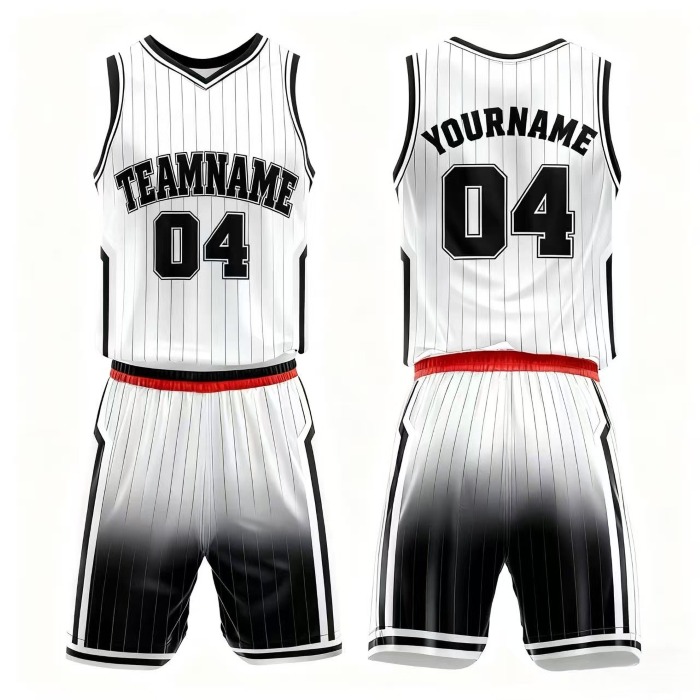
Put these five items into every inquiry. The table shows what to specify, what Hening can state from its documented range, and the limit of each point.
| Spec item | What to write in your RFQ | Hening’s documented position | Limit / when it does not apply |
|---|---|---|---|
| Fabric and GSM | Fiber content and target weight range | 100% polyester, 140-160 gsm for breathability | If you need cotton blends or a weight outside this range, ask before assuming it is available |
| Moisture-wicking and stretch | Wicking required, 4-way stretch required, or standard knit | Moisture-wicking, 4-way stretch | No wicking test figures are published here, so request a fabric sample and judge drying feel yourself |
| Print method | Full-color logo, sponsor marks, names and numbers, placement | Dye-sublimation on 5 automatic printing lines, with locked-color inks | Sublimation suits polyester. It is not a route for cotton garments or raised, textured logos |
| Size runs | Size split per style, men’s/women’s/youth, fit notes | Verified size chart; free reprint for wrong size | Send your own measurements if your fit differs from a standard chart, and agree which chart governs |
| Quantity and MOQ | Target quantity plus a second price break | No MOQ; price depends on quantity | “No MOQ” means you can order small. It does not mean small orders carry the same unit price |
Lighter fabric usually feels cooler in hot-weather match play. Heavier fabric holds shape better through repeated training washes. That is a general rule, not a measured result, so ask for samples at both ends of the range if your climate or use is borderline. A court-side club in a warm region and a retailer stocking all-season tops may rightly choose differently.
Hening is a custom sportswear manufacturer operating a 1000 sqm factory in Guangzhou, China, with 100+ workers. Its range includes tennis jerseys, custom team jerseys and custom casual wear. That covers club kit, retail-oriented training wear and event apparel in sublimated polyester.
One boundary matters for tennis buyers. Dresses, skirts and other cuts are not itemized in the information I hold. If your list includes a pleated skirt or a specific dress pattern, say so in the first message and ask whether it can be produced, instead of assuming it is.
| Buyer concern | Matching fact | What it does not prove |
|---|---|---|
| Logo fades after washing | Locked-color inks; 1-year colorfastness guarantee | It does not replace your own wash test on a sample |
| Wrong or inconsistent sizing | Verified size chart; free reprint for wrong size | Reprint terms still need the size chart agreed before production |
| Slow delivery | 7-10 day standard production; rush orders available; 1000+ custom jerseys daily output | Shipping time is separate, and rush terms must be confirmed per order |
| Process control | ISO 9001 quality management and ISO 14001 environmental management certification | Certification covers management systems, not a guarantee of any single product’s performance |
Hening’s supplied cases are in other sports, and I will not present them as tennis orders. They still show the order types you may need to match:
Treat these as a reason to ask questions, not as proof of a tennis result. A useful follow-up: “Which of these orders involved a multi-size run with logo placement on chest and sleeve, and what was the print-defect outcome?” If the answer is vague, that is information too.
Target markets include the United States, Australia, the United Kingdom, Europe and Japan. That says where orders have gone. It does not mean local stock, local offices or market-specific regulatory approval, so confirm any destination-specific requirement in writing.
These facts are supplied:
These are not defined in the material I hold, so agree them in your purchase terms rather than assuming a standard practice:
I do not claim a fixed sample-then-bulk workflow here. If you want a sample first, request it explicitly and ask for the terms in the quote.
Take a club ordering match shirts for 36 players across men’s, women’s and junior squads, with a chest logo, a sponsor mark on the sleeve and numbers on the back. A strong RFQ would state:
With that, two suppliers’ quotes can be laid side by side. Without it, you are comparing guesses. This example is an illustration of how to write the inquiry, not a record of a past order.
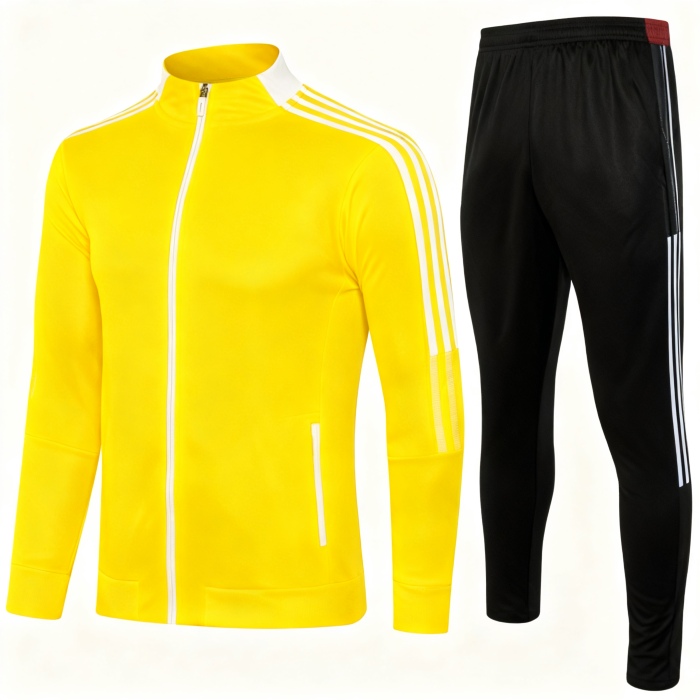
Send Hening your fabric target, logo files, size split, target quantity and delivery date, and say which garment types you need, including any dresses or skirts. We can then confirm what falls within scope, quote against quantity breaks and set out the reprint and colorfastness terms in writing. If you also supply other racket sports, mention them: the same specification logic carries over to badminton jerseys and similar kit.
To start, request a quote and a fabric sample through the Hening website with your specification attached.






 WhatsApp
 Email
 +8618978569271