Loading
A fabric can move moisture away from the skin and still perform poorly in match conditions. If air does not pass through the garment, if the fabric holds water too long, or if the fit changes after washing, players may still feel hot, restricted, or uncomfortable.
That is the gap B2B buyers need to close before confirming a production order. Custom-Fit Tennis Wear: Breathable Fabric should be assessed as a combined system of material weight, airflow, drying behavior, stretch, construction, print method, and wash stability. A supplier description that says “moisture wicking” is a starting point, not a full approval standard.
This is an evergreen sourcing issue rather than proof of a new market-wide change. Product pages commonly highlight lightweight polyester and moisture management, but those claims alone do not show how a shirt behaves after repeated washing or during active play. Tennis clubs, retailers, tournament organizers, and private-label brands should ask for evidence that matches their intended use.
At Hening Clothing Co., Ltd., our standard custom jersey fabric is 100% polyester with moisture-wicking and 4-way stretch properties, in a 140-160 gsm range intended for breathability. That specification can be suitable for many tennis programs, but a buyer should still validate the actual approved sample, print coverage, garment pattern, and care method before releasing bulk production.
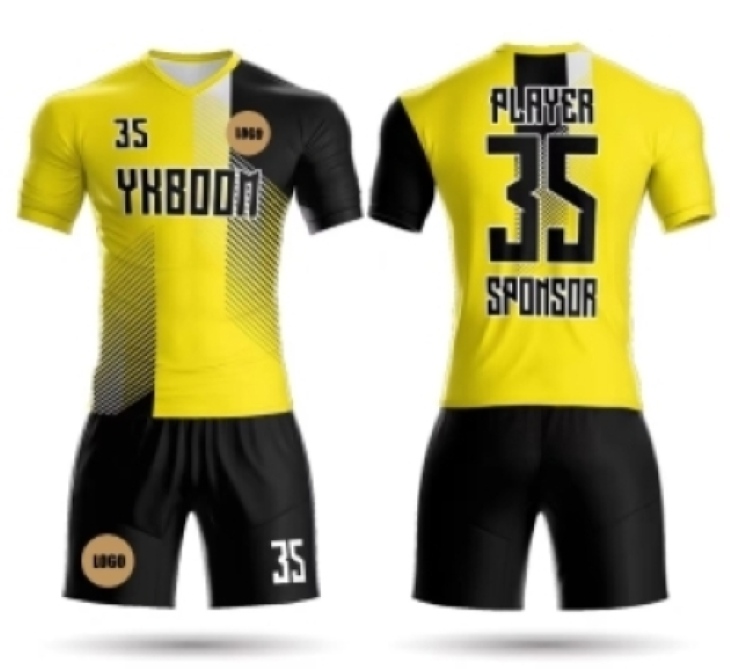
Fabric performance claims are only useful when the buyer defines what product is being tested. A short-sleeve recreational team shirt, a fitted competition polo, and a warm-up top face different demands. The buyer should specify the garment category, intended climate, expected wear frequency, washing conditions, and fit expectation.
The practical conclusion is simple: approve the fabric in the same garment category, approximate artwork coverage, and intended size range as the bulk order. This approach is especially relevant for branded club uniforms and retailer programs. It may be less necessary for a one-time promotional garment where technical performance is not the main buying requirement.
Moisture wicking describes the movement of moisture through or away from the fabric surface. It does not automatically prove that a garment will feel cool, dry quickly, retain its shape, or remain comfortable after laundering. Buyers should treat these as separate checks.
| Performance area | What can go wrong | What a buyer should inspect | Decision affected | Limit of the check |
|---|---|---|---|---|
| Airflow | Fabric may move moisture but allow limited air movement, especially in dense knit areas or heavily printed panels. | Compare the sample against a reference shirt by holding both against light, feeling air passage, and wearing them during the same low-intensity activity. | Fabric selection and placement of mesh or lighter panels. | A hand check is comparative, not a laboratory airflow measurement. |
| Drying speed | Moisture may spread through the fabric but remain in the garment longer than expected. | Wet equivalent areas of two samples, hang them in the same controlled indoor location, and record which one reaches a similar dry feel first. | Suitability for hot training, back-to-back matches, and travel programs. | Results vary with humidity, air movement, garment size, and water volume. |
| Stretch recovery | A fabric may stretch during serving and reaching but fail to return well, leaving the garment loose or distorted. | Stretch the shoulder, chest, and hem areas repeatedly by hand, then compare shape with an unused matching sample. | Pattern approval for fitted shirts, dresses, and women’s tennis styles. | Hand assessment identifies obvious concerns but does not replace formal material testing. |
| Wash-related fit change | Length, chest width, sleeve opening, or collar shape can change after washing, causing inconsistent sizing. | Measure key garment points before and after a buyer-defined wash cycle using the same size sample. | Size chart release, reorder planning, and customer return-risk control. | Results depend on washing temperature, drying method, and garment construction. |
| Printed surface feel | Large printed zones can feel different from unprinted zones, even when the base fabric is the same. | Approve a fully printed sample rather than a plain fabric swatch only. | Artwork placement and final color-block design. | Player preference remains subjective and should be checked with the intended user group. |
The main buyer implication is that a moisture-wicking statement should not be rejected, but it should not be treated as a full performance guarantee. Low airflow, slow drying, and wash-related size movement are alternative explanations when wearers report discomfort. The cause may also be garment fit, poor pattern grading, heavy artwork coverage, or unsuitable care practices. A factory should therefore be asked to provide the actual production sample for evaluation rather than relying on a generic fabric claim.
The most useful test plan is one that the buyer can repeat across suppliers and future reorders. It does not need to be a laboratory program to improve purchasing control. The goal is to expose major differences before the bulk fabric is cut.
This procedure is best for buyers preparing a club rollout, retail collection, tournament uniform, or repeat order. It may be more detailed than needed for a very small one-off recreational order, although the size and artwork approval steps still reduce avoidable errors.
Hening Clothing Co., Ltd. has no MOQ requirement, which allows a club or brand to validate a small run before moving to a larger quantity. Pricing is based on quantity, so buyers should request a quotation for both the trial quantity and expected repeat volume. This makes the commercial trade-off visible instead of treating a sample decision as separate from the purchasing plan.
There is no single “best” tennis fabric selection for every buyer. The right choice depends on whether the priority is maximum airflow, greater coverage, a fitted appearance, simplified reordering, or a balance of these factors.
| Buyer scenario | Recommended approval focus | Why it fits | When this approach may not fit |
|---|---|---|---|
| Hot-weather club team | Airflow comparison, dry-time check, full-print sample review. | Players are more likely to notice retained heat and slow drying during outdoor play. | If the kit is mainly used for short indoor sessions, extreme heat performance may be less decisive. |
| Junior academy program | Verified size chart, wash measurement check, easy reorder process. | Growth, frequent washing, and mixed player sizing can create fit complaints. | If uniforms are issued for a single event only, long-term wash stability has less weight. |
| Retail private-label collection | Fit consistency across sizes, artwork approval, finish inspection. | Customer returns can be driven by inconsistent sizing and mismatch between sample and delivered product. | A retailer selling only loose-fit fan apparel may place less emphasis on competition movement testing. |
| Tournament event order | Delivery schedule, size allocation, print clarity, event artwork confirmation. | Event dates are fixed, and participant distribution often matters more than close athletic fit. | This does not remove the need to assess comfort if participants will play in the garment. |
For tennis-specific styles, buyers can review available Tennis Jerseys alongside the fit and fabric requirements in their own specification. If the same club is sourcing cross-sport apparel, comparing Badminton Jerseys can also be useful because both categories require repeated arm movement, although the garment cut and use conditions are not identical.
Buyers should distinguish between what has been directly checked and what is simply inferred from a fabric description. “Breathable polyester” is an interpretation unless the supplier identifies the finished garment sample, construction, and evaluation method behind the statement.
These questions do not prove that one supplier is suitable in every circumstance. They create an evidence trail. If a supplier cannot identify the tested sample, cannot provide measurement control, or cannot explain what happens after a production error, the buyer has a reason to delay bulk approval.
Not every performance concern can be answered through a pre-production sample. Player comfort varies by body type, match duration, weather, and personal preference. A buyer should therefore focus on the uncertainties that can be controlled: sample approval, sizing, artwork, print durability terms, and production timing.
Our 1,000 sqm Guangzhou factory operates with more than 100 workers and five automatic dye-sublimation printing lines, with daily output of more than 1,000 custom jerseys. The facility is certified to ISO 9001 quality management and ISO 14001 environmental management standards. These details matter for buyers assessing process capacity and quality management, but they do not replace garment-specific wear testing. The approved sample remains the most direct check for the product the players will receive.
Real order scope also provides useful context without becoming a universal performance claim. Hening has supplied more than 500 sublimated jerseys for a US high school basketball league, produced full custom uniforms for an Australian soccer club’s three teams, and delivered 1,000 event jerseys for a European marathon. These cases show experience handling team and event apparel programs, but basketball, soccer, and marathon garments should not be treated as direct evidence that a tennis fit has been validated. Tennis buyers should request tennis-relevant sample approval and movement checks.
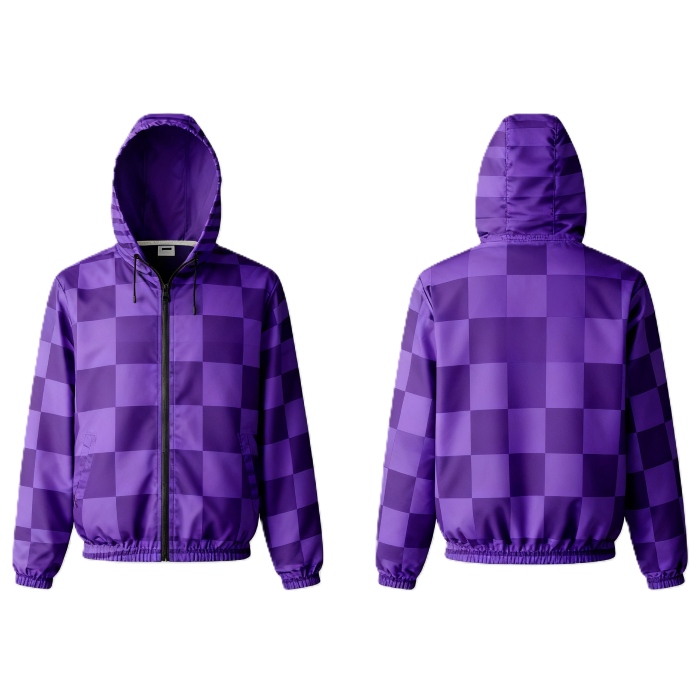
For broader club apparel planning, buyers may pair match garments with Custom Team Jerseys or a Custom Sport Jacket. The fabric test criteria should remain separate for each item. A jacket is not expected to dry or ventilate like a match shirt, and a match shirt should not be approved using outerwear expectations.
Approve the order only when the points below are answered in writing. This checklist is designed for the validation stage, when corrections are still less costly than changes after production.
Request a finished sample and specification review before placing your custom tenniswear bulk order.






 WhatsApp
 Email
 +8618978569271