Loading
Placing a bulk order for custom tennis wear can feel like a gamble. Your biggest risk isn’t just the cost—it’s receiving hundreds of jerseys only to find the logos crack, fade, or peel after a few intense matches and washes. Many teams get stuck with apparel that looks unprofessional in weeks. This happens when a factory’s printing process isn’t built to withstand the physical demands of sport.
As a sportswear production specialist with 10 years on the factory floor, I’ve seen this problem countless times. The key to avoiding it is knowing exactly what to demand from a supplier before production begins. We’ll cover the technical questions and verification steps that separate a durable, professional logo from one that fails quickly. Getting your breathable tennis wear: custom logo print right depends on a proven validation process.
You can’t print on performance polyester the same way you print on a cotton t-shirt. The fabric’s inherent properties—stretch, moisture-wicking, and synthetic fiber composition—require a specialized printing method. For athletic apparel, that method is dye-sublimation.
In sublimation, heat and pressure turn solid ink into a gas that permeates the polyester fibers. The ink becomes part of the fabric itself, rather than sitting on top like a screen print. This is why it doesn’t crack or peel. However, not all sublimation is created equal.
Common points of failure include:
These issues are why you need to look beyond a supplier’s marketing claims and verify their actual production and quality control workflows. Our entire process is managed under an ISO 9001 quality management system to ensure consistency from the first jersey to the thousandth.
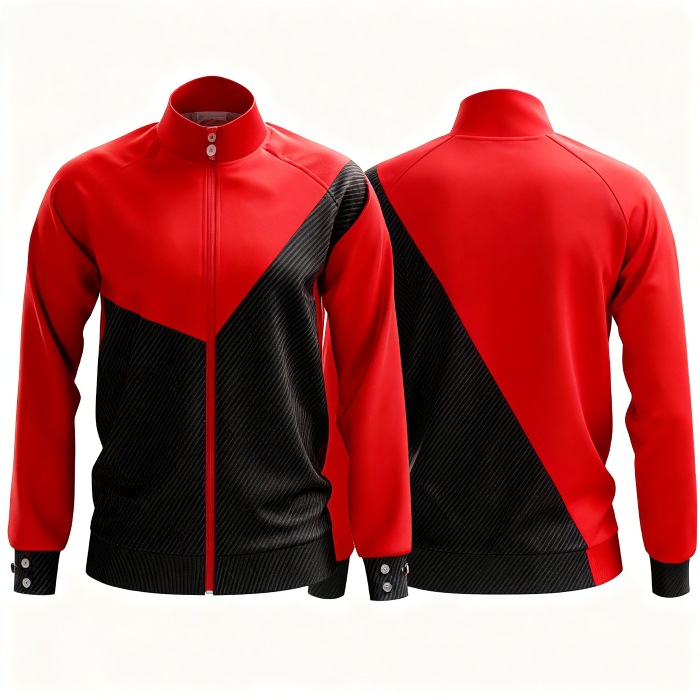
Before committing to a bulk order, a professional supplier should be able to walk you through a clear quality assurance process for your custom logo. This isn’t a “nice to have”—it’s a critical step to protect your investment. Below is the five-step validation workflow we use at Hening, which you can adopt as a checklist when evaluating any potential manufacturer.
If a factory cannot provide clear answers or evidence for these steps, consider it a major red flag.
| Step | What to Do | Why It’s Important |
|---|---|---|
| 1. Digital Artwork Proof | Request a digital mock-up showing your logo’s size, placement, and colors on the garment template. Check for vector quality (AI, EPS, PDF) to ensure sharp lines. | This is the first checkpoint to catch any misinterpretations of your design brief. It confirms the factory understands your vision before any physical materials are used. |
| 2. Color Matching Swatch | Provide Pantone (PMS) color codes for your logo. Ask the supplier to print a small fabric swatch with these colors for your approval. | Digital screen colors (RGB) do not translate perfectly to printed fabric colors (CMYK). A physical swatch is the only way to guarantee the final color meets your brand standards. |
| 3. Stretch & Wash Test | Once you have the color swatch, stretch it aggressively. Run it through a few hot-water wash and dry cycles. | This simulates real-world use. The color should not fade, and the print should not distort or show the white fabric underneath when stretched. This tests the ink’s penetration and durability. |
| 4. Pre-Production Sample (PPS) | For any significant order, request a fully finished sample of the jersey with your logo printed on it. Inspect the stitching, sizing, fabric feel, and print quality. | This is your final green light. It confirms the factory can execute the approved design correctly at scale. It’s your last chance to catch errors before 500 units arrive at your door. |
| 5. Verified Size Chart Approval | Review the factory’s size chart and confirm the measurement tolerances. Inconsistent sizing is a common issue, and a verified chart prevents it. | A great print on a poor-fitting jersey is still a failure. We use a verified size chart to solve this, ensuring a Medium is always a Medium. We even offer a free reprint for any wrong sizes. |
The fabric itself plays a huge role in how well a logo prints and lasts. The material needs to be engineered to accept the sublimated ink and handle the stress of athletic movement. When sourcing Tennis Jerseys or other performance wear, here are the technical specifications to confirm.
Key Fabric Properties for Sublimation:
At our 1000 sqm factory in Guangzhou, we exclusively use performance polyester that meets these criteria. This ensures that the foundation for every print job is solid, giving the logos the best possible chance to last.
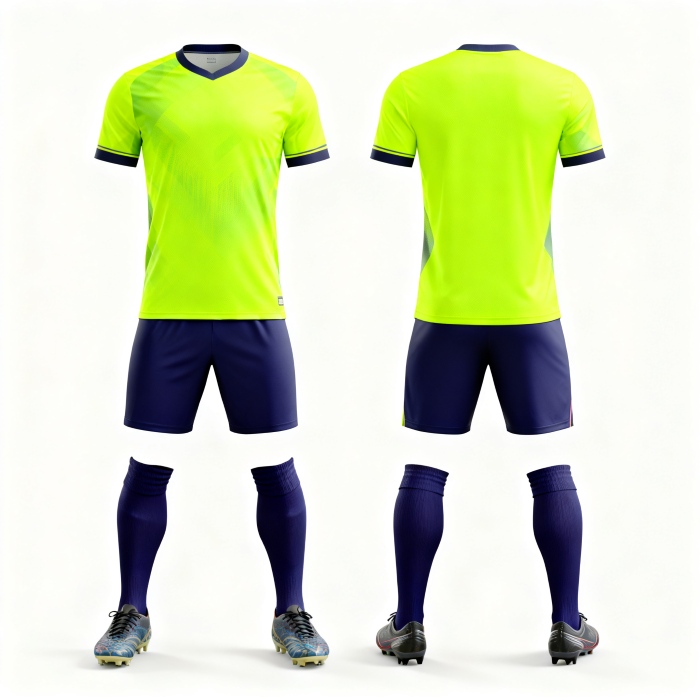
Beyond the print validation workflow, you need to confirm the supplier has the operational capacity and quality systems to handle your order professionally. Use this checklist during your qualification process.
Operational & Quality Checklist:
Asking these direct questions helps you build a picture of a supplier’s reliability. A transparent partner will have ready answers for all of them.
The process of finding a reliable supplier for Soccer Jerseys, tennis wear, or any other custom athletic apparel requires diligence. By focusing on a verifiable print-proofing process and confirming key operational capabilities, you can place your order with confidence, knowing the final product will represent your team or brand well for seasons to come.
If you have a design ready or need advice on ensuring your logo prints perfectly on performance fabric, send our team your artwork. We’d be happy to provide a detailed quote and explain our process for your specific project.






 WhatsApp
 Email
 +8618978569271