Loading
A low-detail shirt can still produce an unexpectedly high quote when the decoration request is incomplete. Before placing an RFQ for a Minimalist Custom Baseball Shirt, procurement managers should separate the garment base from every visual element: chest artwork, sleeve details, labels, player names, numbers, neck treatment, and all-over graphics.
The practical conclusion is simple: define what must be printed, where it appears, and whether it changes by size or player before comparing suppliers. The reason is that a minimalist visual direction does not automatically mean a low-cost production route. A small chest logo may be straightforward, while an all-over tonal pattern, a sleeve placement, or a private-label woven label can add separate preparation and handling requirements.
This approach fits private-label buyers, teamwear distributors, clubs, and event organizers who need comparable quotes rather than an attractive starting price that later changes. It does not replace a factory quotation. Final pricing still depends on quantity, artwork condition, size breakdown, garment construction, delivery destination, and the confirmed decoration method.
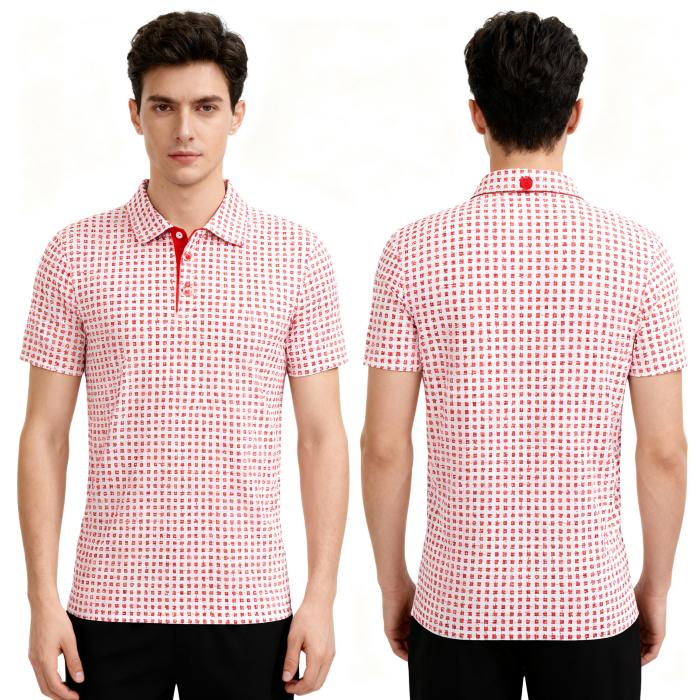
At Hening Clothing Co., Ltd., there is no MOQ requirement, although pricing is based on quantity. That makes a defined scope especially useful for small clubs and early private-label runs: buyers can request the quantity they need without assuming that a small run will carry the same unit price as a larger program.
Use the following comparison as a quote-request structure, not as a published price list. Hening does not provide a public unit-price schedule in the available information, so assigning made-up currency figures would mislead buyers. Instead, this table shows the cost relationship and the line items that should appear in a supplier response across common order situations.
| Decoration option | Small team or club order | League, event, or school order | Retailer or repeat-program order | What to request on the quote |
|---|---|---|---|---|
| One-color chest print | Usually the simplest decoration scope when artwork is supplied ready for use. | May become more cost-efficient per shirt when the same chest artwork is repeated. | Useful as a core identity mark across recurring colorways or collections. | Garment price, chest artwork location, print dimensions, setup or artwork charge if applicable, and per-unit decoration charge. |
| Sleeve details | Can increase handling because the sleeve is a separate placement area. | Better suited when a sponsor mark, flag, or league identifier is mandatory. | Worth standardizing only if the sleeve mark is part of the brand specification. | State left, right, or both sleeves; artwork size; color count; and whether each shirt uses identical artwork. |
| Woven labels | Can be less economical when a label is added only for a very limited run. | Suitable for programs that need a branded neck, hem, or side-seam identifier. | More practical when the same label design is reused across multiple product lines. | Label position, folded or flat format, label artwork, attachment method, and whether labels are supplied by the buyer or quoted by the supplier. |
| All-over sublimation | Can suit a design with multiple colors or a full-shirt graphic, but buyers should still request a quantity-based quote. | Useful for consistent team graphics, names, numbers, and color blocks within one coordinated visual file. | Suitable for private-label collections that need repeatable full-garment artwork. | All-over artwork scope, personalized names and numbers, panel placement, artwork preparation needs, and separate pricing by quantity. |
The best value choice depends on the design brief. Choose a one-color chest placement when the requirement is a restrained logo-led shirt and the buyer wants to keep decoration scope narrow. Choose sleeve details only where they serve a stated sponsor, league, or brand purpose; they do not suit a design whose goal is minimum visual content and minimum line items. Choose woven labels when private-label identity must remain after the shirt is worn, but confirm their cost separately rather than treating them as a free trim. Choose all-over sublimation when the design needs full-garment color or graphics, not merely because the artwork contains several colors.
Hening operates five automatic dye-sublimation printing lines and states a daily output of more than 1000 custom jerseys. This is relevant when all-over sublimation is the chosen route. It is not evidence that every decoration type, label format, or print process is available, so buyers should ask for confirmation for one-color chest prints, sleeve applications, and woven-label options.
A usable RFQ should not ask only, “What is your best price?” It should ask suppliers to quote the same defined build. This prevents a supplier from including a chest graphic while another includes chest, sleeve, and label details under one unclear description.
The strongest cost-control method is to remove unnecessary production variables, not to strip away every design element. A minimalist baseball shirt should have a clear visual hierarchy: one primary chest identity, one controlled color system, and only those secondary details that carry a real commercial or team function.
For a club ordering a simple game shirt, the recommendation is to keep the front mark consistent across all garments and limit optional placements. The reason is practical: every additional placement must be defined, approved, and priced. This suits a team whose priority is an identifiable uniform with controlled spending. It does not apply when a sponsor agreement requires sleeve branding or when a league specifies identifiers that must be included.
For a private-label buyer, a useful middle ground is a recurring chest identity plus an all-over design file that can be adapted into future colorways. That can preserve brand recognition while avoiding a different decoration plan for every release. The limit is that this only makes sense when there is a real repeat program. A single event shirt may need a simpler, event-specific layout instead.
All-over sublimation is the documented printing strength relevant to graphic baseball apparel. Hening uses fade-resistant dye-sublimation printing with locked-color inks, addressing a common buyer concern: colors that look acceptable at delivery but fade after washing. The company also provides a one-year colorfastness guarantee.
The conclusion for buyers is to consider sublimation when color durability and full-garment visual continuity are more important than a bare-minimum decoration scope. This fits team jerseys, event shirts, and branded collections where the artwork covers more than a small chest mark. It does not mean sublimation is automatically the lowest-cost choice for every order. A shirt requiring only a single small mark should be quoted against the supplier’s confirmed available decoration methods before a decision is made.
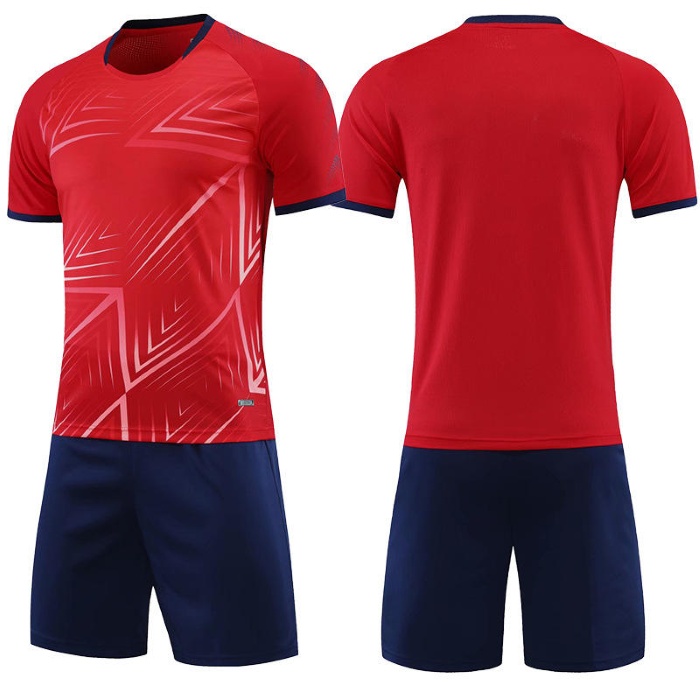
Capacity also affects sourcing risk. Hening states standard production of 7–10 days and daily output above 1000 custom jerseys. For a buyer planning a launch, tournament, or retailer replenishment, this makes it reasonable to ask whether the intended quantity can fit the requested production window. It does not guarantee that a rush request will be accepted or that shipping will take a fixed number of days.
Relevant evidence exists beyond general production claims. Hening supplied more than 500 sublimated jerseys for a US high school basketball league and delivered 1000 event jerseys for a European marathon. Those cases demonstrate work on organized sports and event volumes; they should not be read as a promise that every baseball order will have the same specification, timing, or delivery conditions. Buyers seeking other teamwear categories can also review Custom Team Jerseys and Basketball Jerseys when aligning decoration standards across sports.
For cost-conscious sourcing, the best supplier is not always the one with the shortest first quote. The better fit is the supplier that can state what is included, produce the requested visual method, confirm timing, and stand behind the agreed output.
Hening’s ISO 9001 quality management system certification and ISO 14001 environmental management system certification are meaningful procurement signals for buyers who need documented management-system credentials as part of a supplier shortlist. These certifications do not answer product-specific questions such as artwork approval, label construction, packing method, or export freight. Those items still need to be agreed for the individual order.
This checklist suits buyers comparing several factories or preparing an internal sourcing recommendation. It is less necessary for a repeat order with an already approved specification, although quantity, delivery timing, and updated artwork should still be reconfirmed.
A clear commercial scope protects both buyer and supplier. Hening can be a practical fit for teams, events, and private-label buyers seeking custom jersey production without an MOQ, especially where dye-sublimated graphics and fade resistance are central requirements. Buyers can review the dedicated Baseball Jerseys range alongside related Custom Casual Wear if their program combines game apparel with branded off-field items.
However, several matters are not established by the supplied company information and should be clarified in writing: whether a requested one-color chest process is available, whether woven labels can be sourced and attached, the approved artwork format, garment measurement acceptance, packing requirements, freight responsibility, and the exact production slot. Do not assume that a product image, an earlier quote, or a competitor’s offering settles these points.
For a low-risk order, use a short approval sequence: submit the quantity and delivery location; provide the artwork and placement list; request an itemized quote; verify the size chart; then confirm the agreed decoration scope and production timing. This is a decision sequence for buyers, not a claimed universal factory workflow.
Send your quantity, artwork placements, label requirement, and delivery target to request an itemized quote for your baseball shirt program.






 WhatsApp
 Email
 +8618978569271