Loading
A graphic error discovered after a team order is printed can create more than a replacement cost. It can delay a tournament, split a repeat order into mismatched batches, and leave a procurement team dealing with athlete complaints about colors, sizing, or sponsor placement. Before placing an RFQ for a Custom Graphic Volleyball Tee, buyers should confirm exactly how the supplier will control artwork approval, color interpretation, print placement, fabric selection, and defect responsibility.
Hening Clothing Co., Ltd. supports custom teamwear production for clubs, schools, event organizers, and sportswear buyers that already have a defined volleyball graphic. Our operation includes a 1,000 sqm factory in Guangzhou, China, more than 100 workers, and five automatic dye-sublimation printing lines. This capacity is relevant when a buyer needs a repeatable production partner rather than an online design tool.
The best fit is a buyer with prepared artwork, a known player-size requirement, and a clear need to reduce avoidable reprints before bulk production. We can produce 1,000+ custom jerseys per day, with standard production stated at 7–10 days and rush-order options available. However, lead time should still be confirmed against the approved artwork, quantities, size breakdown, and delivery destination before an order is committed.
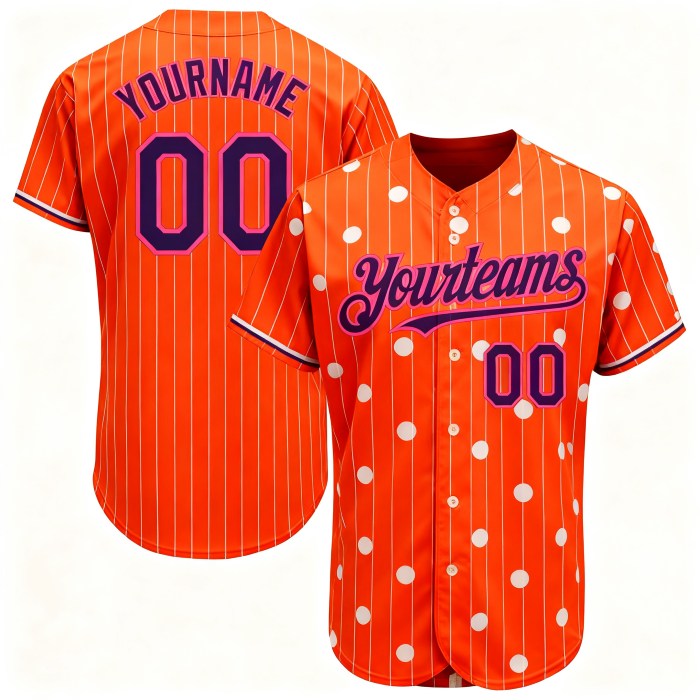
For a buyer who already owns the design, the concern is not whether a supplier can add a name or number. The concern is whether the supplied artwork will be interpreted consistently across every shirt. The table below separates common production risks from the buyer controls that should be agreed before bulk printing.
| Risk area | What the buyer should provide or approve | Why it matters | When this control is less relevant |
|---|---|---|---|
| Graphic scale | Approved front, back, and sleeve artwork views with intended logo dimensions or reference placement | A logo can look correct on a screen but appear oversized or too close to a side seam once printed on a garment panel. | Less relevant for a repeat order using an unchanged approved production file, but only if the garment pattern also remains unchanged. |
| Color identity | Named color references, Pantone references where applicable, and a clear note identifying priority brand colors | Blue, red, and fluorescent-style artwork can be interpreted differently if the file contains no agreed color target. | Less relevant for a one-color design where an exact brand shade is not required. |
| Number and name data | A final spreadsheet with player names, numbers, sizes, and captain markings | Variable data mistakes are difficult to spot after all garments are printed. | Not applicable where every tee uses the same back graphic without individual personalization. |
| Garment sizing | A confirmed size chart and quantity breakdown by size | Correct printing cannot fix an incorrect garment fit. Sizing disagreements often become reprint disputes. | Less relevant for promotional event tees with a limited size range, though size approval still matters. |
| Artwork version control | One final file name, date, revision number, and designated approver | Teams frequently circulate multiple versions. Printing an earlier file can create a fully avoidable replacement order. | Never fully irrelevant; even a simple logo should have one approved file. |
A practical conclusion follows: do not approve bulk production from informal chat images, screenshots, or an unmarked draft file. Use a final artwork package with a named approver. This approach suits school leagues, clubs with sponsor obligations, and retailers placing repeatable team orders. It may feel excessive for a small recreational group, but the cost of a single incorrect sponsor logo can exceed the effort of one controlled approval document.
Preproduction controls are most useful when the artwork includes sponsor marks, gradients, dark-to-light contrasts, detailed illustrations, or brand-sensitive colors. A buyer should ask a prospective supplier what proof format, color-reference method, and strike-off evidence can be provided before authorizing bulk work. These controls should not be assumed merely because a supplier offers sublimation printing.
The following comparison explains what each control is designed to catch. It also shows its limit, because none of these checks replaces a clearly approved garment size chart or a final personalized-player list.
| Control | What it can prevent | Buyer action before approval | Limit to understand |
|---|---|---|---|
| Preproduction print proof | Wrong logo position, missing graphic elements, incorrect player-number location, reversed artwork, or unintended scale | Check front, back, sleeves, collar-area graphics, sponsor placement, and the distance between artwork elements. | A digital proof shows layout intent. It does not by itself confirm how every color will look on the selected fabric. |
| Pantone matching reference | Unclear interpretation of priority brand colors when the source artwork contains multiple color values | Identify the colors that must be matched and send the Pantone references with the final file. | Pantone references should guide color discussion, but buyers should still confirm what approval evidence the supplier can provide for the selected printing method. |
| Wash-tested strike-off | Questions about color retention, edge clarity, and the appearance of a graphic after washing | Review the actual printed piece, record any approved changes, and agree what result is acceptable before bulk release. | A strike-off is only meaningful when it represents the approved artwork, fabric, and intended print method. |
The recommended approach is to apply all three controls to high-stakes teamwear: use a layout proof to confirm placement, color references to define important shades, and a printed strike-off when the order carries substantial brand or event exposure. This is especially appropriate for club uniforms that will be photographed, sold by a retailer, or worn across multiple tournament dates.
For a simple one-color training tee with no sponsor requirements, a buyer may decide that a detailed strike-off is not proportionate to the order’s risk. That decision should be deliberate, not accidental. If no physical or wash-tested sample is requested, the approved proof should state that the buyer is accepting color and placement based on the evidence supplied.
Hening uses fade-resistant dye-sublimation printing with locked-color inks, an advantage for buyers concerned about graphics fading after repeated washing. Our company also provides a one-year colorfastness guarantee. That guarantee addresses colorfastness as stated, but it does not remove the need for a buyer to approve artwork colors and placement before production. Color durability and design accuracy are separate acceptance questions.
A volleyball tee needs to support frequent movement, indoor heat, and repeated laundering. The correct decision is generally a lightweight performance garment rather than a casual cotton promotional shirt when the product will be used for training or competition. Hening’s custom jerseys use 100% polyester fabric with moisture-wicking and four-way stretch properties, in a stated 140–160 gsm range for breathability.
This specification suits teams that need a performance-focused option for active play. It is less suitable when a buyer specifically wants a heavier lifestyle garment, a natural-fiber hand feel, or a non-sports retail fashion product. Those requirements should be discussed separately rather than assumed from a volleyball graphic alone.
For buyers building a wider teamwear range, a volleyball order can be coordinated with related categories such as Custom Team Jerseys and a Volleyball Uniform program. The practical limit is that each garment category may have different sizing, decoration areas, and approval requirements. Do not transfer a volleyball tee proof directly to another garment without checking the new pattern.
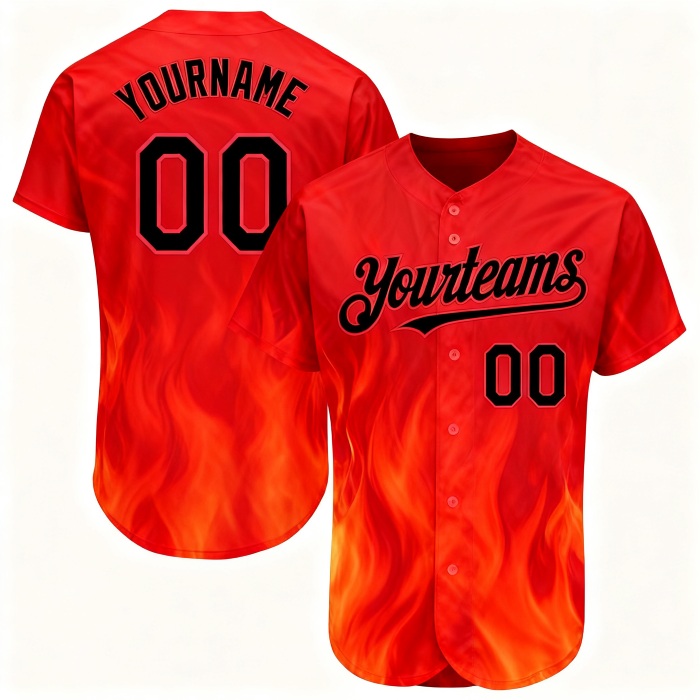
A repeatable order does not mean an automatic reorder. The first order should create a documented reference point that procurement can use later, while each new order still confirms changes to roster data, quantities, artwork revision, and required delivery date.
This sequence is particularly useful for a club ordering for several squads, a school district that must keep colors consistent, or a buyer managing a sponsored event. It may be more formal than a one-off staff tee order requires, but even small orders benefit from a single approved artwork file and size record.
Supplier evidence should support the order you intend to place. Hening’s stated operation includes more than 100 workers, five automatic dye-sublimation printing lines, and daily output of 1,000+ custom jerseys. These facts are relevant for buyers assessing whether a supplier can support team quantities and ongoing orders. They are not a blanket guarantee that every order can be accepted immediately, since production scheduling, artwork approval, and rush requirements vary.
Quality management also matters when a buyer needs a dependable ongoing source. Hening Clothing Co., Ltd. holds ISO 9001 quality management system certification and ISO 14001 environmental management system certification. These certifications provide documented management-system credentials; they should not be interpreted as automatic approval of a buyer’s specific artwork, color target, or delivery date.
Real order examples show the types of supply Hening has handled. We supplied more than 500 sublimated jerseys for a US high school basketball league, produced full custom uniforms for an Australian soccer club’s three teams, and delivered 1,000 event jerseys for a European marathon. These examples demonstrate experience with team and event apparel volumes, but they do not establish that every volleyball order will have identical artwork, turnaround, or logistics requirements.
Buyers comparing sport categories can also review Basketball Jerseys or Soccer Jerseys when sourcing a multi-sport program. The right comparison is production suitability, not an assumption that all sports garments use the same cut or proof layout.
For procurement teams, the strongest supplier fit is not simply the lowest quoted unit price. It is a supplier that can address the actual failure points in your order: a controlled artwork file, agreed color references, evidence appropriate to the design risk, a confirmed size chart, and clear terms for defects. Submit your artwork, quantity, size breakdown, and required delivery date to request a quote for your next volleyball team order.






 WhatsApp
 Email
 +8618978569271