Loading
Before requesting a sample, confirm the intended use, fabric hand feel, fit block, decoration method, and order quantity. A Classic Retro Half-Zip Sweater can work well for team presentation, supporter merchandise, staff apparel, and resale ranges, but the right specification changes with the end use.
The biggest sourcing mistake is treating “retro” as a complete product specification. It is only a style direction. One buyer may mean a relaxed top with a raised collar and contrast panels, while another may mean a warmer pullover with a shorter front zipper, ribbed cuffs, and an oversized fit. Those are different garments, with different material, construction, and decoration requirements.
At Hening Clothing Co., Ltd., there is no MOQ requirement, which helps small teams test a design or reorder missed sizes. That does not mean every quantity has the same unit price. A single replacement piece, a small club run, and a multi-team retail order require different production planning and should be quoted separately.
For buyers sourcing coordinated playing apparel as well, review our Custom Team Jerseys alongside the outer-layer concept. Matching collar colors, panel lines, team typography, and sponsor treatment across garments creates a more consistent program than designing each item independently.
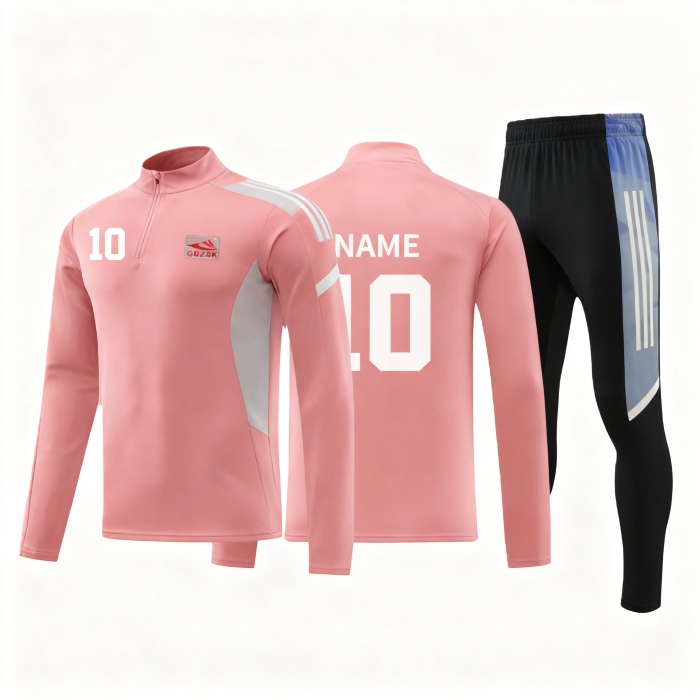
A retro half-zip is best when the buyer wants a visible team or brand layer that looks purposeful away from the playing field. It suits presentation uniforms, travel apparel, supporter merchandise, club shops, and seasonal resale collections. Choose a lighter quarter-zip instead when movement, heat control, and packing weight matter more than a vintage casual appearance.
| Buying situation | Retro half-zip is the better choice when | Lighter quarter-zip is the better choice when | Buyer limitation to consider |
|---|---|---|---|
| Team uniforms | The garment is for arrivals, benches, travel, coaching staff, presentations, or cool-weather club wear. | Players need an active warm-up layer with less bulk during drills or repeated movement. | A retro style should not replace the match jersey unless the sport and event rules allow it. |
| Supporter merchandise | You want a higher-perceived casual item with a recognizable club identity and wider everyday wear appeal. | You need a lower-weight item for mild climates or a price-sensitive promotional range. | Confirm whether the target customer expects a relaxed fashion fit or a standard sports fit. |
| Retail resale collection | Your range has a heritage, varsity, collegiate, or club-inspired theme and needs an outer layer. | Your collection focuses on training apparel, running, travel, or lightweight performance pieces. | Retail buyers should approve a size set before bulk production because fit expectations vary by market. |
| Corporate or event staff apparel | You need a branded piece that staff can wear before and after the event, not only while working. | The event involves heat, long active shifts, or frequent indoor-to-outdoor movement. | Large front graphics can compete with staff identification or sponsor logos. |
The practical boundary is simple. Select the retro option for appearance-led use and a stronger casual merchandising role. Select a lighter quarter-zip for activity-led use, especially where the wearer needs lower weight and freer movement. If a club wants both, use the same colors and logo system across the two products: a retro layer for staff and supporters, plus a lighter training style for players.
For sports programs that need outer layers paired with activewear, our Custom Sport Jacket range is a useful comparison point. It helps buyers separate a fashion-oriented half-zip brief from a performance outerwear brief before sampling.
Ask first whether the garment needs to feel like casual apparel, perform like sportswear, or balance both. Do not approve a fabric merely from a product photo. The same half-zip silhouette can be made in very different constructions, and surface appearance does not confirm warmth, stretch, weight, or wash behavior.
For our custom jersey production, we use 100% polyester moisture-wicking fabric with 4-way stretch and a 140–160 gsm range for breathability. That specification is suitable for lightweight sportswear applications, but buyers should not assume it is the automatic construction for every retro half-zip request. A warmer or more structured retro look may require another approved fabric option. The sample should confirm the actual material selected for the project.
For a team program, fabric decisions should follow the intended wearing moment. A coaching group standing outside during matches may value a more substantial layer. A soccer squad using the top during pre-match warm-ups may prefer a lighter option that is easier to remove and carry. Buyers ordering Soccer Jerseys with matching travel apparel should send both garment briefs together so the color and logo system can be reviewed as one set.
Color permanence also matters where a design uses large color blocks or detailed graphics. Hening uses fade-resistant dye-sublimation printing with locked-color inks for applicable polyester sportswear designs. This addresses a common concern: prints that lose impact after washing. Our company also provides a one-year colorfastness guarantee and offers free reprints for printing defects or wrong sizes. Those terms should be treated as company service commitments, while the decoration method for a particular half-zip must still be confirmed against the selected fabric and design.
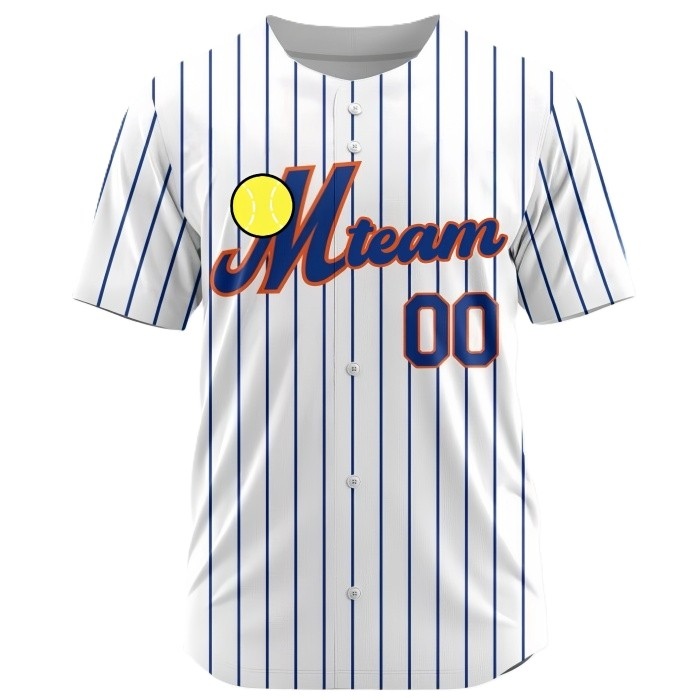
Yes, but the decoration plan must match the fabric and garment construction. All-over graphics are usually easiest to plan before production because panels can be arranged around the design. Small logos and names may be more flexible, but zipper placement, seams, pockets, and collar height can restrict available print areas.
For a retro half-zip, the front zipper is the first design constraint. A large centered chest graphic may be split by the zipper, distorted by the collar opening, or hidden when the collar is folded. A left-chest logo, sleeve mark, upper-back graphic, or panel-based pattern often gives a cleaner result.
| Decoration need | Recommended planning approach | Best-fit use case | Watch for |
|---|---|---|---|
| Small club logo | Place it on the left chest, sleeve, or upper back with clear spacing from the zipper. | Staff apparel, team travel tops, school groups. | Logo size may need adjustment for youth sizes. |
| Large graphic | Use back placement or planned panel artwork rather than a design running through the zipper. | Merchandise and resale collections. | Artwork alignment needs approval at sample stage. |
| Individual names or numbers | Provide a final roster and size list before bulk production. | Team travel gear and school programs. | Late roster changes can affect production planning. |
| Sponsor branding | Set a logo hierarchy before artwork preparation. | Club uniforms and event apparel. | Too many marks can weaken the retro visual direction. |
Use a print-ready artwork file whenever possible. If the logo includes specific colors, name the approved color references and indicate whether color matching must align with existing jerseys. This is especially relevant for clubs adding a half-zip to established Basketball Jerseys or other teamwear lines.
Approve the size chart and sample fit before production. This is the most direct way to avoid inconsistent sizing across a team or resale order. “Unisex,” “relaxed,” and “oversized” are not standardized measurements, so these labels alone cannot protect a buyer from returns or dissatisfied wearers.
At Hening, we use a verified size chart as part of our approach to reducing size inconsistencies. Buyers should still compare it with a garment their wearers already know, rather than relying only on standard apparel size labels.
A retail buyer should test more than one body type where possible. A club ordering for players may need a different size balance from a supporter store, even when the artwork is identical. If youth and adult sizes are both required, identify them as separate ranges in the RFQ. Do not assume that scaling down an adult design preserves logo placement or visual proportion.
Include the required in-hand date, quantity by size, design status, and sample requirement. Hening’s standard production period is 7–10 days, with rush order options available. This is a production reference, not a substitute for a project-specific schedule. Artwork readiness, sample approval, quantity, customization detail, and shipping arrangements can all affect the planned delivery date.
Our 1,000 sqm factory in Guangzhou has more than 100 workers and five automatic dye-sublimation printing lines, with daily output exceeding 1,000 custom jerseys. These production resources support custom sportswear programs, particularly where a buyer needs consistent printed team apparel. For a retro half-zip project, confirm the selected construction and production route before applying jersey capacity figures to the order.
Buyers with a firm event deadline should state it in the first message. Hening has delivered 1,000 event jerseys for a European marathon and supplied more than 500 sublimated jerseys for a US high school basketball league. These are examples of completed customer programs, not a blanket timing promise for every half-zip order.
Avoid approving appearance without confirming performance, fit, and construction. The following errors create preventable revisions, especially when a buyer is adding a new category to an existing sportswear range.
For buyers building a coordinated casual range rather than a performance uniform package, our Custom Casual Wear selection can help frame the product brief around retail styling, branding, and everyday use.
Send your artwork, quantity, target date, and preferred fit to request a sample recommendation and quotation.






 WhatsApp
 Email
 +8618978569271