Loading
There are few things more disappointing than unboxing your team’s new uniforms only to see the colors fade and logos peel after just a few washes. Many teams invest in a Custom Print Basketball Game Set and end up with inconsistent sizing, slow delivery, and graphics that don’t last. These issues often stem from a poor choice of printing method and a lack of supplier transparency.
Hi, I’m Linjing He, a sportswear production specialist with 10 years of experience at Hening Clothing. I’ve seen firsthand how the right technical choices at the start prevent major headaches later. We solve these exact problems by using fade-resistant dye-sublimation inks and a verified sizing system, all backed by a 1-year colorfastness guarantee. This guide shares practical, factory-floor advice to help you source uniforms that perform as well as your team does.
The printing technique used on your jerseys directly impacts their look, feel, and lifespan. For modern polyester sportswear, the choice primarily comes down to dye-sublimation, screen printing, and heat transfer vinyl (HTV). Each has its place, but for performance basketball gear, one method is clearly superior.
Dye-sublimation is our core technology at Hening, running on five automatic printing lines in our Guangzhou factory. The process uses heat to turn solid ink into a gas that permeates the polyester fabric, becoming a permanent part of the fibers. This means the design won’t crack, peel, or fade, and it doesn’t add any weight or block the fabric’s moisture-wicking properties. Let’s compare it to other common methods.
| Feature | Dye-Sublimation | Screen Printing | Heat Transfer Vinyl (HTV) |
|---|---|---|---|
| Durability & Washability | Excellent. The ink is part of the fabric. It will not crack, peel, or fade. We guarantee colorfastness for one year. | Good. The ink sits on top of the fabric and can crack or fade over time with repeated stretching and washing. | Fair. The vinyl is an adhesive layer that can peel at the edges, especially with high-heat drying and abrasion. |
| Breathability | Excellent. The fabric’s pores remain completely open, preserving 100% of its moisture-wicking performance. | Fair to Good. The layer of ink can block fabric pores, creating a less breathable patch, especially with large designs. | Poor. The vinyl layer completely seals the fabric underneath it, creating a “sweat patch” with no breathability. |
| Color & Detail | Unlimited. Perfect for complex logos, gradients, and photographic images with millions of colors. | Limited. Best for simple, solid-color designs (1-4 colors). Each additional color adds significant cost and setup time. | Good for solid colors. Can handle complex cut-outs but is not ideal for gradients or photographic prints. |
| Feel on Fabric | Zero feel. You cannot feel the print at all, as it’s infused into the fibers. | Slightly raised texture. You can feel the layer of ink on the surface of the garment. | Noticeable plastic-like layer. Can feel stiff, especially on larger designs like back numbers. |
| Best For | High-performance team sportswear, all-over prints, and complex, multi-color logos. The standard for professional Basketball Jerseys. | Simple logos on cotton t-shirts, large runs of promotional wear with basic designs. | Individual names and numbers on pre-made garments, small-batch orders with simple graphics. |
For any serious team needing sublimation basketball uniforms that endure a full season of play and washing, dye-sublimation is the only method that guarantees performance and longevity.
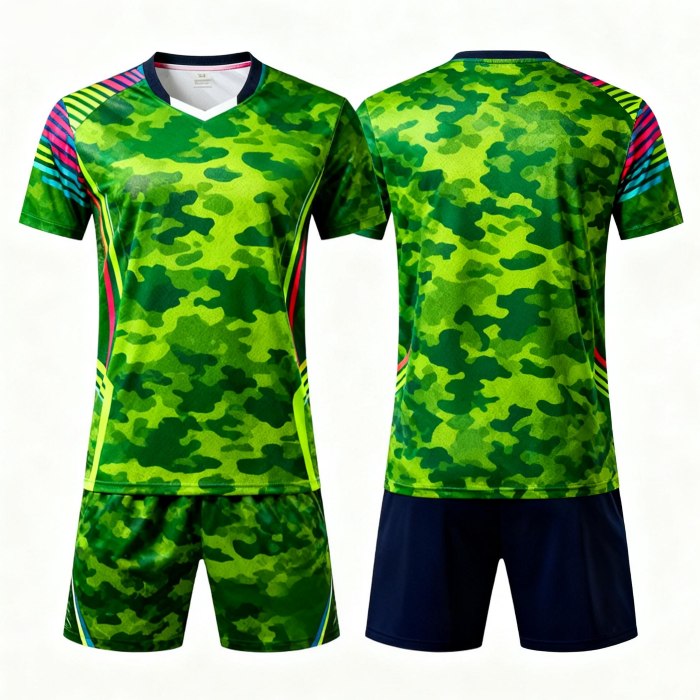
The most advanced printing is wasted on poor-quality fabric. A high-performance basketball uniform must be breathable, flexible, and durable. When reviewing supplier specifications, look for these key indicators.
To ensure you’re getting performance-grade material, use this simple buyer’s checklist when requesting a quote.
Getting confirmation on these four points is a critical step in ensuring the final product meets your team’s needs. The right fabric is the foundation for all great Custom Team Jerseys.
One of the most frequent complaints in custom apparel sourcing is inconsistent sizing. A “Large” from one factory can fit like a “Medium” from another, leading to a frustrating and costly problem for the whole team. This often happens because suppliers use different regional sizing blocks (e.g., Asian vs. American vs. European) without providing clear measurement charts.
At Hening, we mitigate this risk with a verified size chart that includes precise measurements for chest width, body length, and sleeve openings. We stand by our chart so firmly that we offer a free reprint for any jersey that does not match the approved sizing specifications. This removes the guesswork and financial risk for you.
A great product sample means nothing if the supplier cannot deliver your full order on time and to the same standard. Vetting a potential partner’s operational credibility is just as important as checking their fabric quality. This is where certifications, capacity, and clear policies make a difference.
Our facility is ISO 9001 certified for quality management and ISO 14001 certified for environmental management. These aren’t just logos on a website; they represent standardized, repeatable processes that ensure every order, whether for a small local club or a major event like the European marathon we supplied with 1000 jerseys, meets the same high bar.
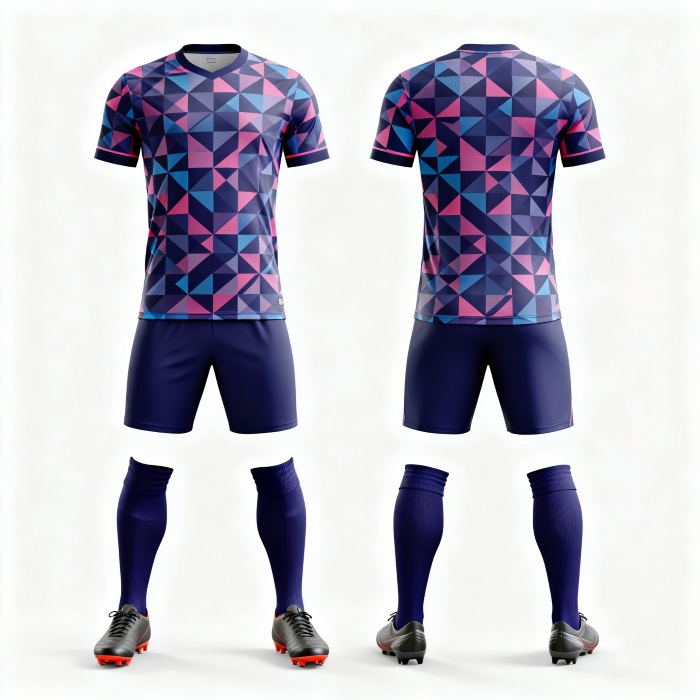
By focusing on these operational details, you can partner with a manufacturer that not only produces a great product but also acts as a reliable part of your supply chain. We’ve built our reputation on this, from producing full custom uniforms for an Australian soccer club’s three teams to providing various Soccer Jerseys for clients worldwide.
Ready to get a basketball game set that looks professional and is built to last? Send us your design to get a detailed quote and a transparent production plan from our team.






 WhatsApp
 Email
 +8618978569271