Loading
The most expensive mistake in a bulk apparel order is rarely the unit price on the quote. It is the fabric line you did not question: a GSM that ships heavier than needed, a print that fades after a few washes, or a size run that leaves 40 unsold pieces in a storeroom. If you are comparing quotes for custom casual wear, settle fabric first. Everything else on the quote follows from it.
I’m Linjing He. I’ve spent ten years on the sportswear factory floor, and the same pattern repeats. Buyers compare price per piece and skip fabric questions. Then they pay for it in freight, reorders and markdowns. Below is how we plan fabric to keep total cost down, and which numbers you can rely on versus which you need to verify.
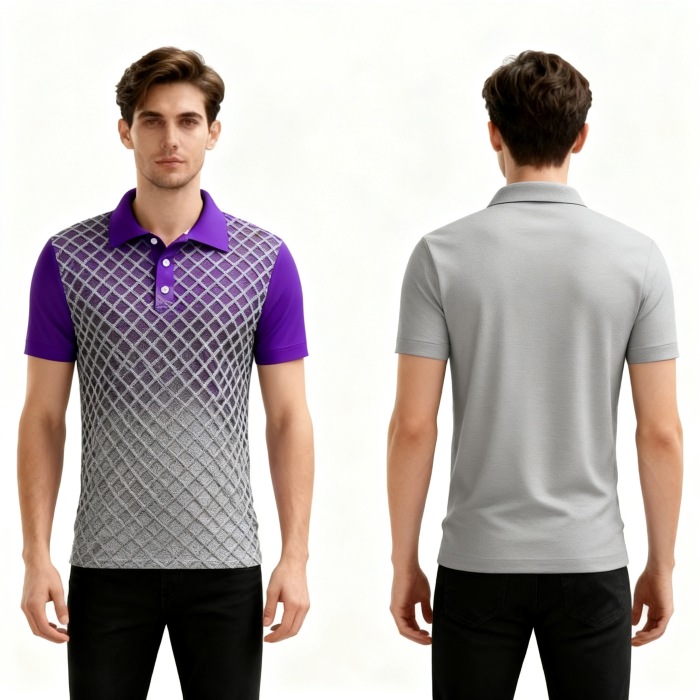
Conclusion: choose fabric composition and weight before you ask for prices, not after.
Reasoning: composition, GSM and cutting yield drive material cost. They also drive shipping weight, how the print looks, and how many washes the garment survives. A quote built on the wrong fabric has to be redone, and the revised price rarely goes down.
Where it fits: clubs, retailers and event organizers ordering a first collection, or reordering one that has disappointed.
Where it does not apply: if a brand guideline or a customer already fixes the exact fabric, skip the comparison. Spend your effort on volume and size planning instead.
Our confirmed standard is 100% polyester, moisture wicking, with 4 way stretch fabric at 140 to 160 gsm, which keeps the garment breathable. Polyester also suits dye sublimation printing, which is how we apply locked color inks that resist fading. Blends and other compositions are not in our confirmed specification. If you need one, ask for it in writing and treat it as an unconfirmed quote line until we respond.
| Decision | Lower option | Higher option | Cost effect | Limit |
|---|---|---|---|---|
| GSM | 140 gsm | 160 gsm | 160 gsm carries about 14% more fabric mass per square meter (160 ÷ 140). Fabric price and freight weight may rise accordingly. | Whether fabric is priced by weight or by length varies. Ask. |
| Composition | 100% polyester (confirmed) | Other blends (not confirmed) | Blends may change sublimation results and unit price. | Request a swatch and a written quote line before committing. |
| Stretch | Standard knit | 4 way stretch (confirmed) | Better fit tolerance across sizes, which can reduce size related returns. | Not needed for loose, non active styles. |
| Print method | Basic print | Dye sublimation with locked color inks | May cost more upfront. Protects against fade complaints and reprint cost. | Designs with heavy solid coverage should be sampled first. |
Heavier is not automatically better. For warm climate or active use, 140 gsm can be the correct choice and the cheaper one. For cooler markets or a more structured drape, 160 gsm earns its extra weight. Pick by wear scenario, not by the assumption that heavier feels premium.
Unit price is one line in a five-year cost. The model below separates what is confirmed, what you must estimate yourself, and what nobody can know yet. I have deliberately left out invented prices. Fill the estimate rows with figures from your own quotes.
| Cost line | Status | How fabric, GSM, yield and volume affect it |
|---|---|---|
| Unit price at your quantity | Confirmed once quoted | There is no MOQ, but pricing is based on quantity. Larger runs lower the unit price. Fabric composition and GSM set the material portion. |
| Replacement for printing defects or wrong size | Confirmed | We offer a free reprint for any printing defect or wrong size, so this line should be near zero for you. |
| Fade related replacement, year 1 | Confirmed coverage | One year colorfastness guarantee. Print quality is protected during year 1. |
| Fade related replacement, years 2 to 5 | Unknown | No guarantee covers this period. Wash habits, fabric and print coverage all matter. Do not assume zero. |
| Freight per shipment | Estimate | Depends on carton weight and volume. A 160 gsm garment weighs more than a 140 gsm one, so freight can rise. Get a forwarder quote with your actual carton count. |
| Cutting yield (fabric waste) | Estimate, ask us | Layout efficiency changes how much fabric each garment consumes. Ask how it is reflected in the price. We do not publish a universal yield figure. |
| Markdown or leftover stock risk | Estimate | Rises with oversized runs and wrong size splits. Lowers when you order smaller batches (no MOQ) and rely on a verified size chart. |
| Reorder price changes | Unknown | Fabric and shipping costs can move over five years. Budget a buffer you are comfortable with. |
When this model does not fit: one time event orders with a fixed date and no reorder. For those, years 2 to 5 drop out and only unit price, freight and leftover stock matter.
Suppose a club wants 300 pieces of casual wear for members and supporters. Option A is 140 gsm. Option B is 160 gsm. Both are 100% polyester, with 4 way stretch and sublimated prints.
This is the kind of planning we have supported before. We supplied 500+ sublimated jerseys for a US high school basketball league, and produced full custom uniforms for an Australian soccer club’s three teams. Those were team jerseys, not casual collections, but the fabric, print and sizing questions are the same ones.
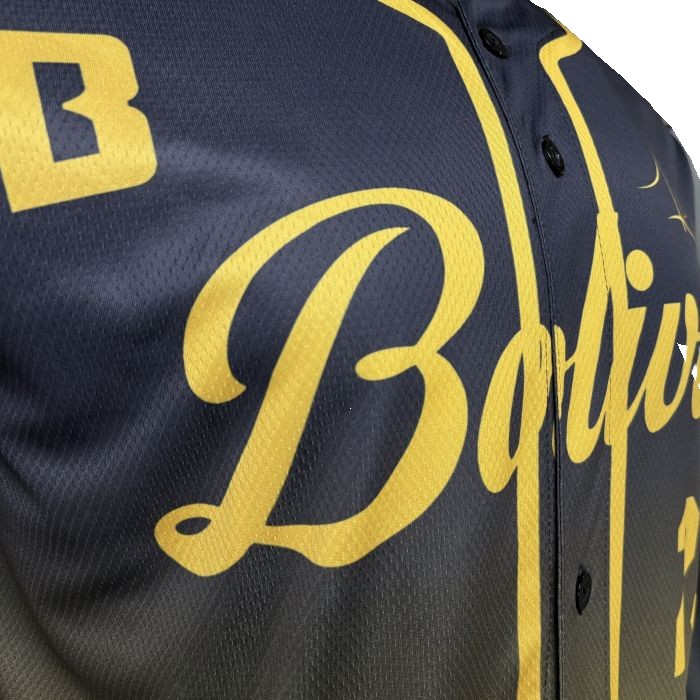
On capacity and quality systems, our factory in Guangzhou covers 1000 sqm with 100+ workers and 5 automatic dye sublimation printing lines. We output 1000+ custom jerseys daily and hold ISO 9001 and ISO 14001 certification. We delivered 1000 event jerseys for a European marathon and supplied training sportswear to sports retailers in New Zealand. These figures describe our capacity and past work. They are not a promise about your delivery date, which depends on your quantity and design.
If you are building a collection, start with our Custom Casual Wear range. Related lines such as Custom Team Jerseys and Custom Sport Jacket follow the same fabric logic. Send us your target quantity, preferred GSM and destination market, and we will return a quote that separates unit price from freight inputs, so you can compare it with confidence. Ask for a fabric swatch or sample first if you want to check weight and print before committing.






 WhatsApp
 Email
 +8618978569271