Loading
The most expensive mistakes in wholesale pullover sourcing are the ones you only see after the cartons are open: a zipper that splits at the stitch line, a size medium that fits like a large, or a printed logo that fades after the first wash. A Half Zip looks like a simple product, yet it has more failure points than a plain tee, because it combines a fabric, a zip assembly, a collar and often a decorated surface. This guide covers what to verify before you shortlist a supplier, so your first order does not become your first return problem.
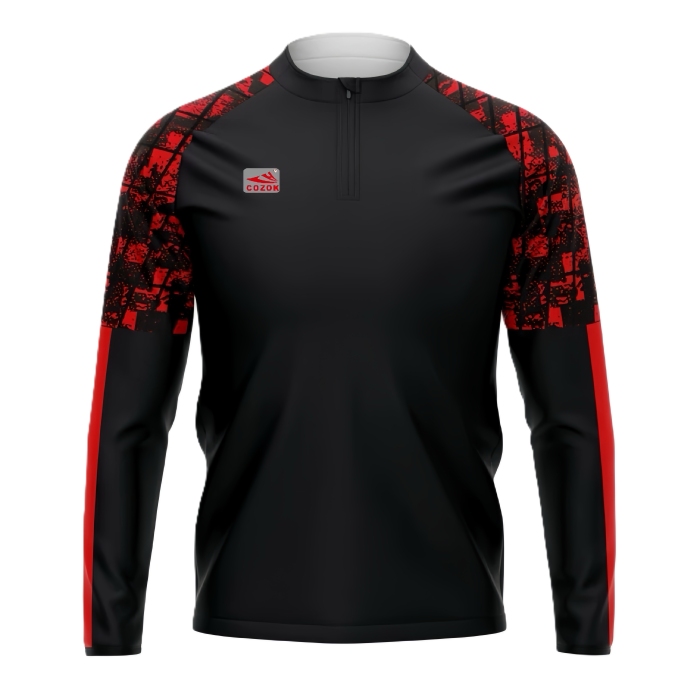
Retail resale raises the stakes compared with team orders. A club will tolerate a slightly loose fit; a shopper will return the garment and remember the brand. In our experience on the factory floor, three problems repeat across apparel lines: faded sublimation prints after washing, inconsistent sizing between production runs, and slow delivery that misses the selling window.
Each one traces back to a decision made before production starts. Faded colour comes from ink and process choices. Inconsistent sizing comes from the absence of a verified size chart. Late delivery comes from unclear sample approval steps. That is why the checklist below sits before pricing and negotiation in this guide.
Use this table as a pre-RFQ filter. Each row names the risk behind the check, so you can judge how hard to push a supplier on it.
| Check item | Risk if you skip it | What to ask the supplier | Limit of the check |
|---|---|---|---|
| Zipper quality | Teeth misalign, the slider jams or the tape puckers. Zip failure is the fastest route to a customer return. | Zipper brand and type, tape colour matching, and whether you can pull-test the sample zip repeatedly. | A good sample zip does not guarantee bulk quality. Ask for the same zipper spec in writing on the order. |
| Fabric weight | Too light looks cheap on a hanger; too heavy loses stretch and breathability. Fabric also drives your price and shipping cost. | Composition, gsm, stretch direction and a swatch. Our performance fabric is 100% polyester, moisture wicking, 4 way stretch, at 140 to 160 gsm for breathability. | That range suits lightweight training tops. If you want a heavier, cold weather pullover, specify the target weight and confirm it can be made before you commit. |
| Size grading | Inconsistent sizing drives returns. A medium that differs between colourways damages repeat orders. | A full size chart with measurement points, the grading increments between sizes and a verified chart you sign off. | A chart controls the factory, not your market. Retailers in the US, UK, Europe, Japan and Australia often expect different fits, so decide your target fit first. |
| Branding methods | The wrong method gives cracking, peeling or fading. Poor logo placement on a zip front also looks unprofessional. | Sublimation printing, embroidery or heat transfer options, colour lock process, and placement limits near the zip and collar. | Sublimation works on polyester and suits full colour designs. It does not suit every fabric, so confirm compatibility with your chosen material. |
| Pre production samples | You approve a photo, then receive a different garment. Fixing it after bulk production costs far more than fixing it at the sample stage. | A physical sample made in the actual fabric, zipper and print method, plus a wash test. | A sample proves the spec, not the supplier’s capacity. Pair it with a capacity and lead time check. |
A Half Zip puts all the stress on a small area. The zip sits against the neck, the placket carries the load and the collar has to recover its shape after repeated pulling. Test the sample by zipping and unzipping it twenty or thirty times, then wash it and test again. If you only have time for one test, do this one.
Sublimation ink becomes part of the polyester fibre rather than sitting on top, which is why it resists cracking. Colour retention still depends on the ink and the process. Our locked colour inks are backed by a 1 year colorfastness guarantee, but whichever supplier you choose, wash a sample at the care label temperature before you approve production.
Not every supplier suits retail resale. The right choice depends on your volume, how much customisation you need and how much quality control you want to handle yourself.
| Supplier type | Best fit | Main risk | When it does not apply |
|---|---|---|---|
| Trading company | Buyers who need mixed products from one contact | Less control over fabric, print and lead time, since production is outsourced | Not ideal when you need to verify the actual production process |
| Direct factory with sublimation lines | Retailers wanting custom prints, tight colour control and clear accountability | You must manage specs and samples more closely | Less suitable for buyers who only want ready made stock |
| Stock and blank supplier | Quick replenishment of plain styles | Limited branding and fit options | Not suitable for private label sportswear |
If your range also includes outerwear, look for a supplier that covers neighbouring categories, such as a Custom Sport Jacket line, so you can align fabric, sizing and colour across the collection.
We run with no MOQ, which helps retailers test a new style without committing to a large buy. Pricing still depends on quantity, so a small test order will cost more per piece than a larger repeat order. Expect the unit price to be shaped by these factors:
Imagine a boutique chain wants to test a new line before the autumn season. Rather than ordering four colourways and six sizes in small batches, it orders two colourways in the full size run. That keeps per piece pricing lower and gives clearer sell-through data. If both sell, it reorders and adds colours. The limit: this approach does not work if your brand depends on a wide colour story from day one, in which case you should price a larger combined order instead.
Lead time also matters for resale. Standard production is 7 to 10 days, and that clock starts after sample approval, not before. Build the sample stage into your calendar, or you will turn a standard schedule into a rush order.
When you shortlist, ask each supplier for evidence rather than adjectives. For reference, here is what we can show. Our 1000 sqm factory in Guangzhou has 100+ workers and 5 automatic dye sublimation printing lines, with daily output above 1000 custom jerseys. We hold ISO 9001 quality management and ISO 14001 environmental management certification.
Our past orders include training sportswear for sports retailers in New Zealand, 500+ sublimated jerseys for a US high school basketball league, full uniforms for three teams at an Australian soccer club, and 1000 event jerseys for a European marathon. These are jersey and sportswear orders, so for a Half Zip programme, ask us to confirm the specific fabric weight, zipper and print method before you treat them as a match. Browse our Custom Team Jerseys and Custom Casual Wear ranges to see the fabric and print quality we work with.
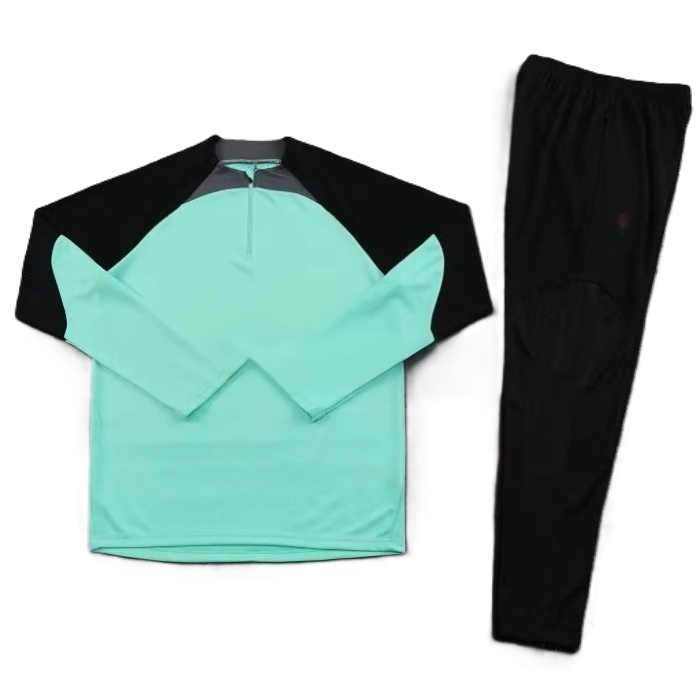
If a supplier answers all five, you have a workable shortlist. If two or more are vague, keep looking.
Ready to test a new line? Send us your spec, target quantity and size range, and we will quote and arrange a sample so you can check the zip, fabric and print before you place a bulk order.






 WhatsApp
 Email
 +8618978569271