Loading
Coaches and team buyers often ask a practical question before approving a uniform specification: will a Breathable Basketball Training Set make a noticeable difference during repeated practice sessions, or is it simply an extra feature on a product sheet?
The answer depends on how the squad trains, where sessions take place, and whether players need the set for hard drills, travel, warmups, or casual team wear. Breathability matters most when athletes train in warm gyms, run conditioning blocks, or wear the same top through shooting, defensive movement, and post practice recovery. It matters less when the set is mainly a presentation item worn briefly before games.
For regular basketball practice apparel, the right fabric can reduce the feeling of trapped heat, move sweat away from the skin, and dry faster between drills. However, a fabric selected only for airflow can create new problems, such as snagging, reduced coverage, or a shorter service life. Buyers need to assess the full fabric construction rather than choosing the lightest option available.
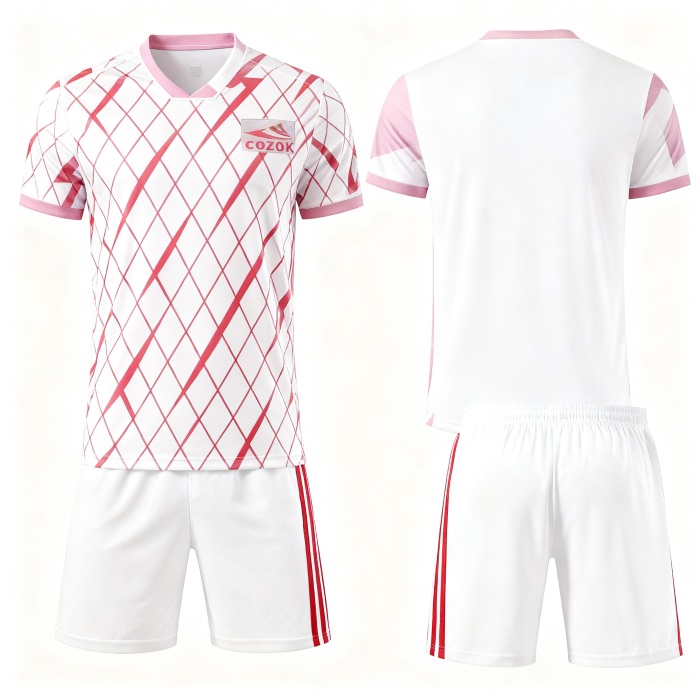
Conclusion: Breathable fabric is worth specifying when the team will use the set for active sessions lasting longer than a short warmup. The reason is simple: basketball training combines sprinting, lateral movement, close contact, and repeated stops. A top that retains sweat can feel heavy and uncomfortable by the second half of practice.
For coaches, the buying decision should start with the intended use, not the product name. A training top for indoor tactical sessions does not need the same level of airflow as a sleeveless set used for summer conditioning. Likewise, a travel set may need a smoother appearance and greater abrasion resistance than an ultra light practice garment.
| Training situation | Recommended priority | Why it matters | When this priority does not apply |
|---|---|---|---|
| Hot weather conditioning | High airflow and quick drying | Players sweat heavily during running and repeated drills. | Not the first priority for short indoor meetings or travel wear. |
| Indoor skill practice | Balanced airflow and training durability | The fabric needs to remain comfortable while handling repeated movement and contact. | A highly ventilated fabric may be unnecessary in a cool facility. |
| Pre game warmups | Fit consistency and team appearance | Players wear the set for a limited period, so extreme ventilation may have little effect. | Use more breathable construction if warmups include intense running. |
| Youth development sessions | Durability and verified sizing | Younger players need garments that handle frequent washing and active use. | For a one time camp, appearance and budget may carry more weight. |
A team that trains three or more times each week should normally avoid choosing a heavy, slow drying material just because it feels substantial when new. A fabric can feel thick and premium in the hand yet become uncomfortable after sweat builds up. On the other hand, selecting an overly open fabric for physical practice can lead to snagging or a less structured appearance.
The practical target is moisture wicking fabric with enough airflow for the venue and enough body for repeated training. For many teams, 100% polyester sportswear is a sensible starting point because it can be made with breathable constructions, supports dye sublimation, and suits regular washing.
Conclusion: Mesh is usually the strongest option for airflow, interlock is generally the safer choice for all round training durability, and perforated fabric sits between them when buyers want ventilation without a fully open mesh look. The wrong choice can affect comfort, garment appearance, and how long the set remains suitable for team use.
| Fabric type | Airflow | Drying speed | Training durability | Best suited to | Buyer caution |
|---|---|---|---|---|---|
| Mesh | High because the knit structure allows more air movement. | Usually fast because less fabric mass holds moisture. | Moderate, depending on knit density and training contact. | Hot weather sessions, conditioning, and high sweat training. | Open structures can snag more easily and may need a lining choice for certain designs. |
| Interlock | Moderate because the surface is smoother and more closed. | Moderate to good when polyester construction is used. | High for repeated practices, washing, and team use. | Regular indoor practice, youth programs, and multi purpose uniforms. | May feel warmer than mesh during outdoor summer conditioning. |
| Perforated fabric | Moderate to high because placed holes improve ventilation. | Good when the construction remains lightweight. | Moderate to high when the base fabric is stable. | Teams wanting a cleaner surface with added ventilation. | Check whether perforations affect logo placement, opacity, and print appearance. |
Airflow affects how readily heat and humid air can leave the garment. If a player wears a closed, heavy top during conditioning, the fabric can feel warmer as sweat builds up. Mesh improves air exchange, which suits fast paced drills and hot training environments. Its limit is that the more open construction may be less suitable for rougher contact sessions or buyers seeking a smooth, uniform surface for large graphics.
Interlock gives a more stable surface. This helps when the team needs training durability, a consistent fit, and a clean base for names, numbers, or sponsor graphics. It is a strong choice for team training uniforms that serve several purposes. The tradeoff is lower airflow compared with an open mesh construction.
Drying speed affects whether athletes continue feeling damp during a session and whether garments are more comfortable after practice. Faster drying fabric helps during long training blocks, tournament days, and travel between venues. It does not replace good garment care. Teams should still wash practice sets promptly and avoid leaving damp apparel packed in bags.
For a buyer, the error is assuming that a light fabric always dries faster. Construction, yarn selection, and fabric finish all affect drying behavior. Ask the supplier which fabric type is being quoted and request a physical swatch before approving a large order.
Training durability affects how the garment responds to washing, stretching, friction, and repeated use. If the team wears the same set for daily practice, a more stable interlock or a well constructed perforated fabric may offer a better balance than an extremely open mesh. If the set is reserved for summer camps or short conditioning periods, mesh may be the better match.
At Hening Clothing Co., Ltd, our standard sportswear fabric range uses 100% polyester with moisture wicking performance, four way stretch, and a 140 to 160 gsm weight range intended for breathable sports use. Buyers should still confirm the fabric choice against the exact training purpose, because a single construction is not ideal for every basketball program.
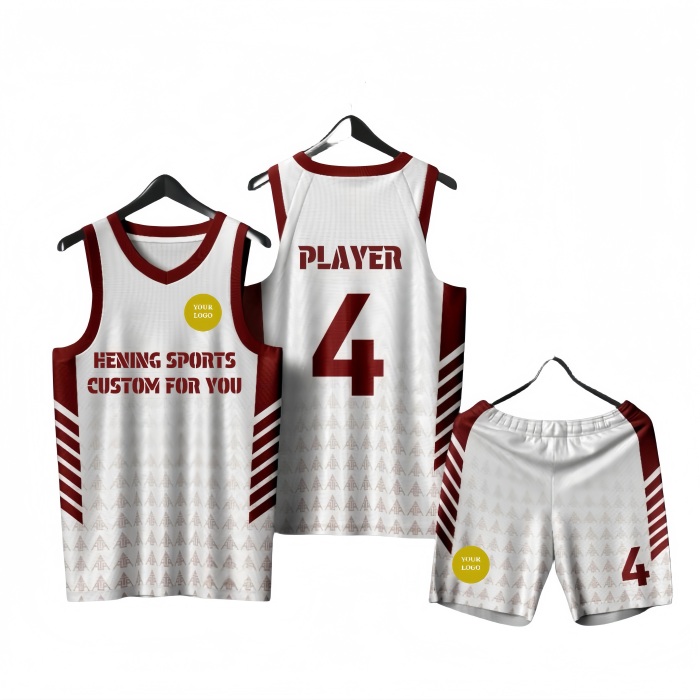
Conclusion: A breathable fabric cannot solve a poor fit. Buyers should approve the size chart and intended cut before finalizing colors or graphics, because a top that is too tight limits movement while an oversized top can interfere with drills and look inconsistent across the squad.
Basketball garments need room through the shoulders and torso for shooting, rebounding, and defensive movement. Yet extra room must be controlled. A loose top that shifts excessively can distract players during passing drills or strength work. For training shorts, the waistband, rise, and leg opening should be reviewed with the same care as the jersey.
Use this approval process before production:
The limit of a size chart is that it cannot correct incomplete player data. A coach who submits only general sizes such as small, medium, and large may still receive inconsistent results if players expect a different fit preference. For team orders, collect chest, waist, height, and preferred fit information where possible.
We use a verified size chart to reduce inconsistent sizing, and we offer a free reprint for a wrong size or printing defect. That policy is most useful when the buyer follows the size approval process before production rather than treating size selection as a last minute task.
Conclusion: Choose fabric and printing as one specification. A breathable training garment still needs colors and graphics that remain clear after washing, especially when the team logo, player number, or sponsor artwork must stay recognizable through a season.
Sublimation printing is particularly suitable for polyester sportswear because the artwork becomes part of the fabric rather than sitting as a separate surface layer. This supports full color designs without adding a heavy print layer that can reduce comfort. It is especially useful when buyers need gradients, repeated patterns, individual names, or different player numbers.
The practical concern is color stability. Faded graphics make a training set look older than it is, and inconsistent print placement can create an uneven team appearance. Hening uses locked color inks for fade resistant dye sublimation printing and provides a one year colorfastness guarantee. This is relevant for teams that wash apparel frequently. It does not mean that buyers should ignore care instructions or expect any garment to withstand improper washing indefinitely.
For a basketball program, ask these artwork questions before confirming an order:
A coordinated program may also pair practice sets with Custom Team Jerseys for other club activities or a Custom Sport Jacket for travel and cooler weather. These products do not require the same fabric construction, so the team should avoid copying the training-set fabric specification without reviewing the intended use.
Conclusion: A breathable option is worth the investment when its benefits match the team’s training conditions and the buyer verifies material, fit, printing, and production details together. The set is not automatically worth it if the program only needs occasional presentation wear or if the buyer has not confirmed the fabric construction.
Capacity and quality controls also matter when the buyer needs consistent uniforms across a full squad. Hening operates with ISO 9001 quality management system certification and ISO 14001 environmental management system certification, along with five automatic dye sublimation printing lines and daily output of more than 1,000 custom jerseys. These details help support planned team production, but buyers should still submit final artwork, sizes, and approval information early enough to avoid preventable changes.
For reference, Hening has supplied more than 500 sublimated jerseys for a United States high school basketball league. That case shows the type of team order we have supported; it should not be treated as a substitute for reviewing your own fabric, fit, artwork, and delivery requirements.
Request a fabric swatch and specification advice before selecting your team’s training-set material.
===






 WhatsApp
 Email
 +8618978569271