Loading
The costliest sourcing mistakes happen before the purchase order. A buyer approves a price list without seeing how the fabric washes, how the sizes grade, or who pays when a print fades. For a private label range of custom casual wear, those three gaps turn into returns, markdowns and unsellable stock. This guide shows retail buyers and importers what to check at the shortlisting stage, so the order you place matches the product your customers receive.
I’m Linjing He, and I’ve spent ten years on the factory side of custom sportswear. Most of what follows comes from the questions buyers should have asked before they placed an order.
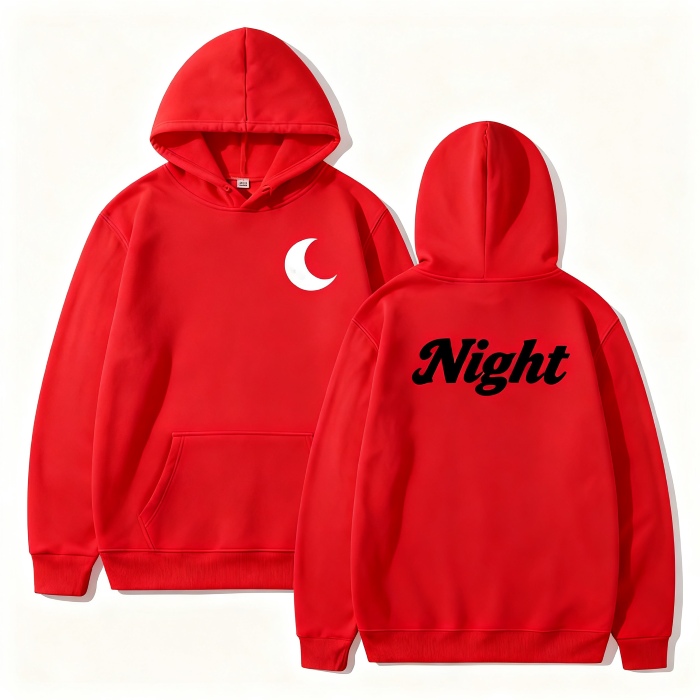
Suppliers quote what you specify. A vague brief gets a vague quote, and the differences only show up after production. Write down five items first:
Limit: if your concept is a heritage 100% cotton line, a polyester sublimation factory is the wrong fit. Say so early and save both sides a sample round.
This is the section to keep open while you compare suppliers. Each line pairs a check with the risk behind it, because a checklist without the reasoning gets skipped under deadline pressure.
| Check item | What to request | Risk if skipped | Limit / when it matters less |
|---|---|---|---|
| Fabric swatches | Physical swatches with stated fibre content and weight. Ours are 100% polyester, moisture wicking, 4 way stretch, 140 to 160 gsm. Wash one swatch at home. | A photo cannot show hand feel, sheerness or pilling. You may approve a fabric that looks thin on a shop floor or traps heat. | Swatches show the base fabric, not the finished garment. Always follow with a sample. |
| Size grading | A written size chart with measurements per size, plus the grading steps between sizes. | Inconsistent sizing is the top cause of retail returns. A garment that fits in M but not in XL damages the whole range. | A supplier’s standard chart suits generic fits. If your brand has its own block, send your spec sheet and have it checked against samples. |
| Decoration capability | Printing equipment details, ink type, and a wash test on a printed sample. We run 5 automatic dye sublimation printing lines and use locked color inks. | Faded or cracked prints after a few washes lead to complaints your customer blames on your brand, not the factory. | Sublimation suits polyester. Cotton heritage looks need a different decoration method. |
| Compliance documents | Management system certificates, plus a written list of test reports the supplier can provide for your destination market. | Customs holds, labelling rejections, or a retailer compliance audit you cannot answer. | ISO 9001 and ISO 14001 (both held by our factory) cover quality and environmental management systems. They are not product safety test reports, so ask separately which market rules apply to you. |
| Pre production samples | A sample made on the same fabric, print method and size as bulk, approved in writing before production starts. | Bulk becomes the first real test. Colour shifts, wrong trims or fit problems surface when 100% of the stock is already made. | For a repeat order of an unchanged design, a sample may be unnecessary. Any change in color, fabric or size spec needs a new one. |
Give each of the five checks a pass, conditional or fail. Reject any supplier who cannot provide physical swatches or a written size chart. Those two cost almost nothing to supply, so reluctance tells you something. Conditional marks, such as a missing test report, can be resolved in writing before you commit.
Not every retail range needs a fully custom build. Match the route to your volume and brand stage.
| Route | Best for | Main advantage | Main limit |
|---|---|---|---|
| Stock blanks with your label | Testing a concept quickly | Fast and low commitment | Little design differentiation; competitors can buy the same blank |
| Custom cut and sew, plain fabric | Brands with their own fit block | Full control of pattern and trims | Longer sampling; you carry more fit risk |
| Custom sublimated pieces on performance fabric | Active casual and team style ranges | All-over designs, strong color, small runs possible | Polyester only; unsuited to a pure cotton look |
If your range overlaps with sport, review the Custom Casual Wear category alongside the Custom Sport Jacket range to see which decoration and fabric options carry across styles.
We set no MOQ, but pricing is based on quantity. Both facts matter for retail. A small first order is possible, and your unit cost will fall as volume rises. Plan around the cost drivers rather than a single quoted figure.
Worked example (hypothetical). A boutique buyer wants to test three designs before a full season. They order a small first run across three designs, approve pre production samples, then reorder the winner at a higher quantity for better pricing. This protects cash flow while the buyer learns which design sells. The limit: splitting too thin raises unit cost, so test two or three designs, not ten.
On timing, standard production is 7 to 10 days, and rush orders are available. That covers production only. Add sampling, approval and shipping to your own calendar. A rush order is a tool for a missed window, not a substitute for planning.
Capacity claims mean little without evidence. Ask each shortlisted supplier for the following, and expect specifics in return.
These cases are mostly team and event orders. They show print consistency across large quantities and multiple sizes, which is what a retailer needs. They do not prove performance on a fashion cotton line, and we would not suggest otherwise. If you also plan team-oriented lines, browse Custom Team Jerseys for the same fabric and print options.
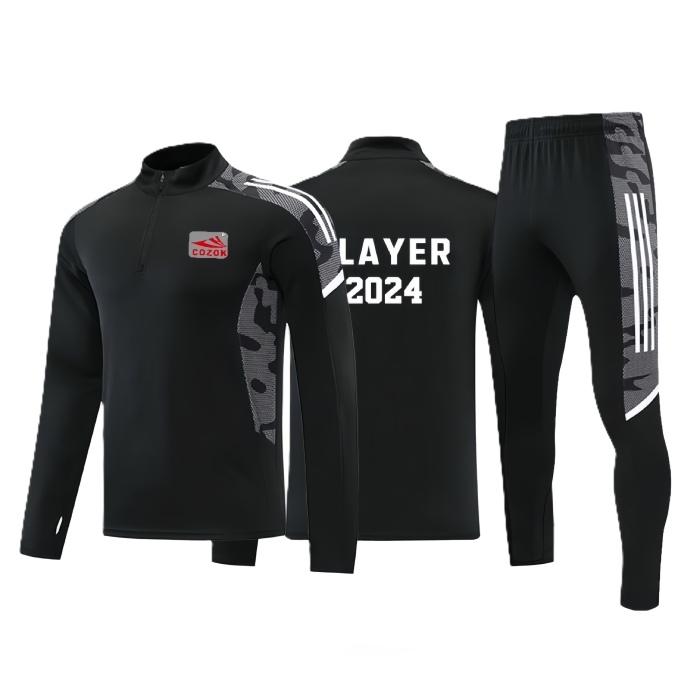
Retail ranges that cover several sports can also draw on Soccer Jerseys and Basketball Jerseys for cross category styling and shared fabric.
If you are shortlisting suppliers now, send us your brief with target quantities, size range and destination market. We will reply with swatches, our size chart and a sample quote so you can run it through the checklist above.






 WhatsApp
 Email
 +8618978569271