Loading
A repeat order can become unexpectedly expensive when the first uniform purchase did not document artwork files, player numbering, size ratios, or spare-unit needs. Program managers often focus on the first order price, then discover that replacements for new players, lost shorts, or changed numbers create a higher cost per set later.
For Pro Custom Game Basketball Uniforms, the best cost control happens before the first production approval. The buyer needs a clear master artwork file, a locked size chart, a player-number process, and a planned spare quantity. These details reduce avoidable setup work and help the supplier quote repeat orders on the right basis.
At Hening Clothing Co., Ltd, we accept orders with no MOQ, although pricing is based on quantity. That gives schools, clubs, leagues, and distributors flexibility when they need a small replacement run. It does not mean a one-set replacement will carry the same per-set price as a larger team order. Buyers should plan for that difference instead of treating every reorder as identical.
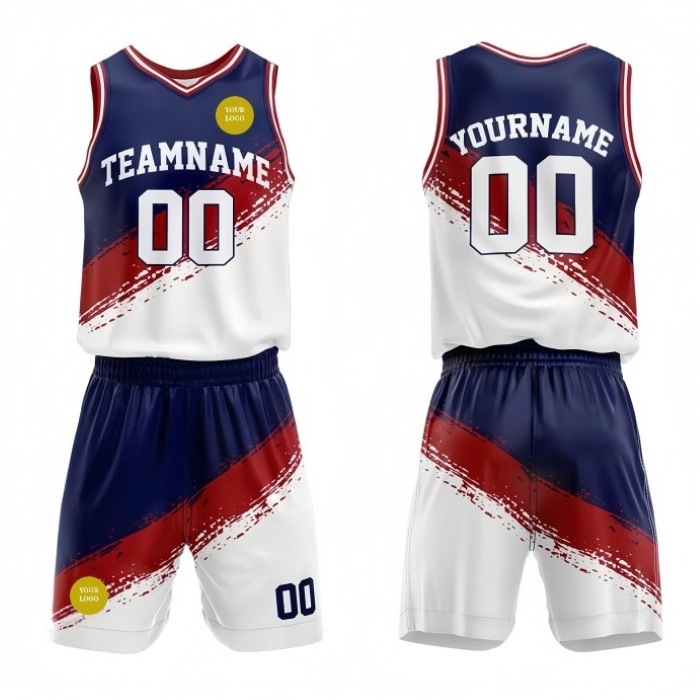
Conclusion: Treat the approved first order as the cost baseline for all future purchases. The baseline should contain the final artwork, garment specification, size chart, roster, and quoted order quantity. This works best for organizations expecting seasonal replacements, annual team renewals, or multi-team programs. It is less useful for a one-time event order with no expected repeat demand.
The supplier cannot reliably match a prior uniform if the buyer only provides a photo or an old sample. A photo may not show the exact logo placement, color reference, fabric weight, trim shape, or player-number style. A repeat order becomes easier to quote when the buyer can provide the original approval record and identify exactly what has changed.
This file is especially useful when different staff members handle purchasing from season to season. It prevents a common problem: a new manager requests “the same uniform,” but the supplier receives no reliable reference for what “same” means.
For buyers comparing product formats, our Basketball Jerseys category can help define the garment type before a reorder request is sent. The key point is to keep the same approved specification unless there is a deliberate reason to change it.
Conclusion: Calculate reorder cost at the set level, then separate the effects of retained artwork, player-number changes, size-ratio planning, and spare-unit quantities. This model fits program managers who need budget approval before submitting a purchase order. It does not replace a supplier quote because material, decoration, shipping, tax, and destination costs can vary.
First, define what a “set” means in your own purchasing record. It may mean one jersey and one pair of shorts, or it may mean a jersey only. Do not compare set prices until every supplier uses the same definition.
| Cost factor | Effect on per-set cost | What the buyer should do | Cost status |
|---|---|---|---|
| Retained artwork | Can reduce repeated design preparation when the supplier has the approved files and no design changes are requested. | Ask whether the approved artwork will be retained, how it is identified, and whether artwork revision work is billed separately. | Unknown until confirmed in writing |
| Player number changes | May add order administration and proofing steps when names, numbers, or positions change across units. | Send one final spreadsheet with player name, number, size, and garment quantities. | Unknown until quoted |
| Size ratio planning | Better size forecasting can reduce urgent single-unit purchases, which often have a higher per-set cost than a planned group run. | Use actual roster data and include expected replacement demand. | Estimated planning impact |
| Spare-unit quantities | Adding planned spares can lower future emergency purchasing exposure, but it raises the initial order total. | Order spares in likely sizes and without names where appropriate. | Estimated planning impact |
| Order quantity | Quantity affects pricing at Hening, even though there is no MOQ requirement. | Request quotes for the exact reorder quantity and one or two sensible larger options. | Confirmed principle |
A practical formula is:
Reorder cost per set = total quoted reorder cost ÷ number of usable sets received.
For annual budgeting, add the initial planned spare cost to this calculation:
Program cost per active set = total initial order cost plus later reorder costs ÷ total usable sets issued during the program period.
Use the formula as a comparison tool, not as a promise of future pricing. The supplier’s current quote remains the only confirmed price for a specific reorder.
| Cost category | What belongs here | How to use it |
|---|---|---|
| Confirmed costs | The supplier’s written unit price, stated order quantity, approved product specification, and quoted shipping terms. | Use these figures for purchase approval. |
| Estimated costs | Your expected replacements, probable new-player demand, and planned spare quantities based on roster history. | Use these for internal budget reserves, not for supplier comparison. |
| Unknown costs | Future artwork revisions, number changes, shipping conditions, destination charges, and the final cost of an unplanned small run. | Ask for written clarification or reserve budget until the quote arrives. |
This separation stops a frequent purchasing error: presenting an internal estimate as if it were a supplier commitment.
Conclusion: Keep the team design fixed whenever possible, while managing player names and numbers through one verified roster file. This is suited to leagues and clubs that retain the same visual identity for several seasons. It does not apply when a sponsor, logo, league regulation, or team identity must change.
Player number changes are not merely a roster issue. They can affect proof approval, production matching, and the risk of sending the wrong garment to the wrong player. The buyer should not submit updates through scattered messages, screenshots, or verbal instructions.
For example, a 30-player program may keep the same team artwork but add four replacement uniforms during the season. If the buyer has retained artwork confirmation and a clean list of four player numbers and sizes, the RFQ is clear. If the buyer instead requests “four like last time” and attaches an old roster with handwritten changes, the supplier must seek clarification. That delay can affect the reorder timeline.
Hening uses fade-resistant dye-sublimation printing with locked-color inks, and we provide a one-year colorfastness guarantee. That is relevant when a program expects old and new units to remain presentable together after washing. The guarantee is not a substitute for approving the final color design before production; the buyer still needs to verify the artwork proof.
Conclusion: Base replacement planning on the actual issued size list, then add only justified spare units. This suits programs with predictable enrollment, multiple squads, or recurring seasons. It does not suit a roster with highly uncertain player counts or a uniform design that will change shortly after the first run.
Uniform size planning is a budget control method, not a guess. Start with the size list from the original issue. Count how many players took each jersey size and each short size. Then identify the sizes likely to be needed by late registrations, new recruits, coaches, or replacement players.
Do not assume jersey and short sizes always match. A player may require one jersey size and another short size. If the purchasing record combines them without detail, spare stock can become unusable.
Hening’s standard production period is 7–10 days, with rush options available. Buyers should still avoid treating rush production as their normal stock plan. Rush availability does not guarantee that every reorder can meet a particular event date, especially when artwork approval, roster confirmation, or shipping arrangements remain unfinished.
For programs purchasing across multiple sports, apply the same record structure to Soccer Jerseys or Volleyball Uniform orders. Each sport has different fit and size behavior, so do not copy basketball size ratios without checking issued-size data.
Conclusion: Require a controlled RFQ and approval process for every repeat purchase, even when the design is unchanged. This is appropriate for procurement teams, athletic directors, and distributors managing several rosters. It may feel excessive for a two-unit replacement, but it prevents expensive errors when names, sizes, or delivery needs are wrong.
Conclusion: A complete RFQ lets the supplier quote the right quantity and avoids repeated clarification. It is suitable for any reorder size, from a small replacement request to a league-wide repeat purchase. It cannot guarantee a final price until the supplier reviews the files, specifications, and delivery requirements.
Hening operates a 1,000 sqm factory with more than 100 workers and five automatic dye-sublimation printing lines. Our ISO 9001 and ISO 14001 management system certifications support documented quality and environmental management processes. For repeat buyers, the practical value is clear: submit the same structured information every time so the order can be checked against the original approved record.
Hening has supplied more than 500 sublimated jerseys for a United States high school basketball league. That case shows the type of organized program where a clear roster and repeat-order record matter. A large initial run can still create later budget pressure if the buyer has not planned player additions, replacements, and spare sizes.
Request a reorder quote with your approved artwork, current roster, and size plan to compare exact-quantity and spare-inclusive options.
===






 WhatsApp
 Email
 +8618978569271