Loading
The mistakes that cost clubs the most surface after the order is placed. Prints fade after a few washes. The size set runs a half size small. The delivery date slips past the first training week. By then the deposit is paid and the squad is in mismatched kit. A pro training football kit is easy to specify on paper and hard to get right across 30 or 300 pieces, so the vetting has to happen before the purchase order, not after.
I have spent 10 years on the factory floor of custom sportswear production. This guide covers what to define up front, how to compare supplier answers, and what to test before you commit. It is written for club buyers and teamwear retailers who are still deciding whom to send an RFQ to.
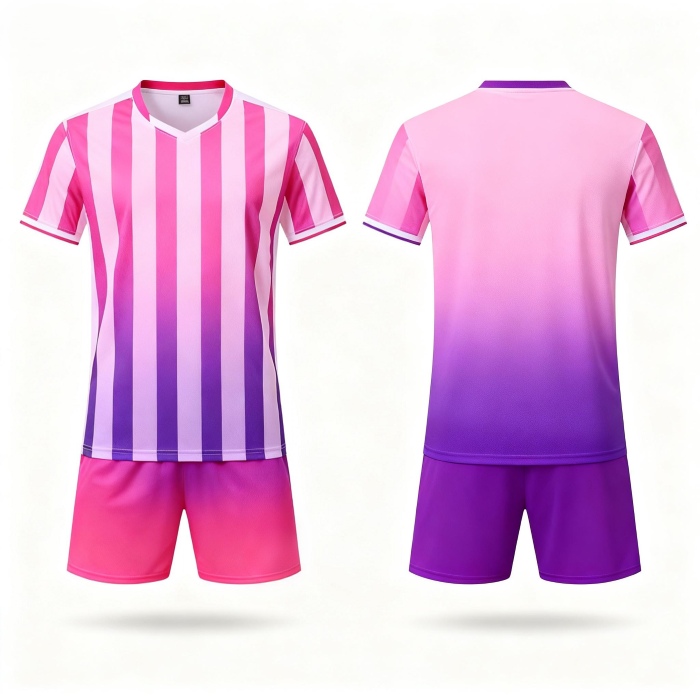
Vague briefs produce vague quotes, and vague quotes cannot be compared. Write down the items below first. Any supplier worth short-listing will answer each one in writing.
| Spec item | What to state | Why it matters |
|---|---|---|
| Fabric | Fibre content, weight in gsm, stretch | Drives comfort, durability and unit price |
| Decoration | Full sublimation, number placement, sponsor logos | Sets the printing route and the artwork file format needed |
| Size range | Youth, adult, any goalkeeper cuts | Determines the size set you must test |
| Quantity per design | Pieces per squad and per size | Pricing is quantity based, so split orders change cost |
| Deadline | First training date, not ship date | Lets you back-calculate production and freight |
Our standard construction is 100% polyester, moisture wicking, with four way stretch, in a 140 to 160 gsm range. If a supplier cannot state the gsm of the fabric they are quoting, treat that as a warning. Weight is the quickest way to see whether two quotes describe the same product.
Training kit takes more abuse than match kit: more washes, more sliding tackles, more sweat. That changes which specs deserve your attention.
The right choice depends on your climate and training schedule. Ask for fabric swatches or a sample piece in two weights if you cannot decide, and have players wear-test them in a real session.
This is the section to follow before you pay a deposit. Each check exists because of a specific risk, so it is listed with the failure it prevents.
| Check | What to do | The risk behind it | Limit of the check |
|---|---|---|---|
| Sample approval process | Request a physical sample in your actual colours and artwork. Approve it in writing, noting fabric, colour and print placement. | Screen colours differ from printed colours. Without a signed reference, disputes become opinion against opinion. | One sample shows the standard, not batch consistency. Ask how colour is held across a run. |
| Size chart verification | Get the supplier’s size chart with measurements. Order a size set (for example S to XL) and measure it against your players. | Inconsistent sizing sends returns back to the club or retailer. It is the most common complaint in team orders. | Size sets cover body shapes in general. Youth squads or unusual builds may need extra pieces. |
| Logo and print durability | Ask what ink system is used. Wash-test the sample yourself at the temperature your club uses. Ask for the colourfastness terms in writing. | Faded sublimation after laundering is the top reason clubs reorder early. Sponsor logos that fade can also breach sponsor agreements. | A home wash test is indicative only. Warranty terms matter more than one test. |
| Production timeline | Request a dated schedule: artwork approval, production, dispatch. Ask if rush orders are available and at what cost. | A late kit means mismatched training sessions or a missed season opener. | Timelines hold only when artwork and sizes are final. Late changes restart the clock. |
| Quality systems | Ask for certification documents and check they cover the factory making your order. | Certificates signal process control but do not guarantee your specific batch. | Certificates complement samples. They never replace them. |
For reference, this is how we handle those checks. Standard production takes 7 to 10 days, with rush orders available. The facility is ISO 9001 and ISO 14001 certified. We use locked colour inks and a verified size chart specifically to address fading and sizing issues. Printing defects or wrong sizes are reprinted free, and the colourfastness guarantee runs for one year. Any supplier you evaluate, including us, should put equivalent terms on paper. A promise made on a call has little value six months later.
Work through the steps in order:
We run with no MOQ, so a small club can order one squad’s worth of custom team jerseys. Pricing still depends on quantity, so the per piece price falls as volume rises. When you compare quotes, break each one down the same way:
A planning example: a club with three squads wants kit ready for pre-season training on a fixed date. It should work backwards from that date. Freight time comes off first, then the 7 to 10 day standard production window, then artwork approval and the sample stage. If that leaves no slack, rush production is worth pricing early rather than begging for it in week three. Bundling all three squads in one order will usually give better pricing than three separate small orders, though it also means one sizing error affects everyone. That is why the size set check comes first.
Clubs that also want warm-up layers can add a custom sport jacket to the same enquiry. A combined quote can simplify freight. It is not always cheaper, so ask for both options priced separately.
Capacity indicates whether a supplier can handle your volume without subcontracting. Our factory in Guangzhou covers 1,000 square metres with 100+ workers and five automatic dye sublimation printing lines, producing 1,000+ custom jerseys per day. That scale matters most for larger orders and rush schedules. For a small squad it matters less than sample quality and guarantee terms.
Past orders are a better test of fit than a capacity number. We have supplied 500+ sublimated jerseys for a US high school basketball league, full custom uniforms for the three teams of an Australian soccer club, and 1,000 event jerseys for a European marathon. We have also supplied training sportswear to sports retailers in New Zealand. Those cases show range across volumes and buyer types. They do not mean every order follows the same timeline or specification, so each project still needs its own sample and schedule. For football specifically, browse our soccer jerseys range to see what is already in production.
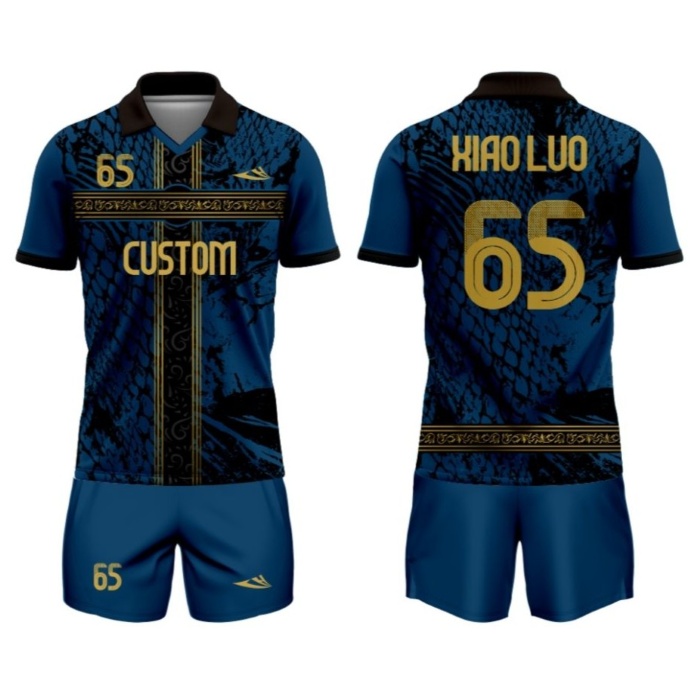
If you are comparing overseas partners for your next pro training football kit order, send us your spec, squad sizes and target date. We will quote against it and can arrange a sample and size set for you to test before you commit.






 WhatsApp
 Email
 +8618978569271