Loading
The mistake buyers regret most is comparing two quotes on the unit price alone. One supplier leaves out names and numbers, another leaves out packaging, and a third quotes ex-works while you assumed delivered. Three weeks later your budget is off by a margin nobody can explain.
This guide is for distributors and team-uniform buyers building a first budget for Baseball Jerseys, or comparing supplier quotations line by line. I’m Linjing He, and after ten years in custom sportswear production I can tell you the same five cost drivers show up on almost every order: fabric weight, decoration setup, player personalization, packaging and freight. Each one reacts differently when quantity changes.
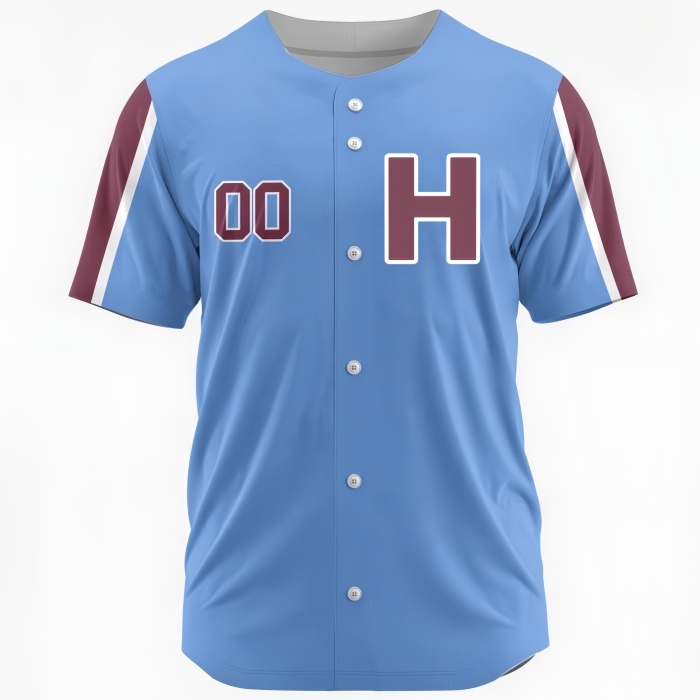
We run with no MOQ, but pricing is based on quantity. So the useful question is not “what is the minimum?” but “which cost lines shrink per piece as the order grows, and which don’t?” The table below separates them.
| Cost line | Fixed or per piece | Small order (e.g. 12-30 pcs) | Mid order (e.g. 100-300 pcs) | Large order (e.g. 500+ pcs) |
|---|---|---|---|---|
| Fabric weight (140-160 gsm polyester) | Per piece | Higher per-piece share of cutting and material handling | Material cost spreads more efficiently | Most efficient; weight also drives freight |
| Decoration setup (artwork, color matching, print file preparation) | Mostly fixed | Setup is a large share of each jersey | Setup becomes a small share | Setup is minor per piece |
| Player personalization (names, numbers) | Per piece | Often similar per piece at any size | Stays roughly flat; more roster files to check | Stays roughly flat; error risk rises |
| Packaging (polybag, carton, labeling) | Per piece plus per carton | Few cartons, but little room to optimize | Individual bagging by player adds labor | Carton count and labeling drive cost |
| Freight and duties | Per shipment, then per kg or cbm | Express is practical; high cost per piece | Air or consolidated options start to make sense | Sea freight can lower per-piece cost if the schedule allows |
This is a structure, not a price list. Exact figures depend on your design, roster and destination, so ask for each line separately in the quote. If a supplier returns a single bundled number, you can’t tell which line moved when you change the quantity.
Take a club ordering 30 jerseys now and 300 for a distributor program later, same artwork. At 30 pieces, the artwork and color-matching work is spread across few garments, so it noticeably lifts the unit price. At 300 pieces the same work barely registers. Personalization, though, costs about the same per shirt either way, so don’t expect it to fall like the setup line does. Freight changes most: the small order may ship express, the large one by air or sea depending on your deadline.
Our jerseys are 100% polyester, moisture-wicking, with 4-way stretch, in a 140-160 gsm range. That range matters for two reasons.
Pick the weight by climate and use, not by habit. For a distributor stocking jerseys for several markets, the lighter option usually keeps freight tighter. For a league that plays in cooler months, the heavier option may be the better trade. Neither fits every case, and a weight change should show up as its own line in the quote.
With dye-sublimation, the design is printed into the fabric rather than layered on top. We use locked-color inks, which is how we address the faded-print complaint teams bring us after a few washes, and we back it with a 1-year colorfastness guarantee. That affects cost in two ways.
That is why the size chart matters. We use a verified size chart and offer a free reprint for any printing defect or wrong size. Ask every supplier you compare what their reprint policy is, and get it in the quote. A cheap unit price with no remedy for a wrong-size batch is not cheap.
Packaging looks small until you ask for individual polybags labeled by player name and size. That is extra handling per shirt, and it should be priced as such. For distributors, bulk packing by size is cheaper; for teams, bagging by player saves hours on delivery day. Decide which you need before requesting a quote.
For freight, work through these points:
Hening Clothing Co., Ltd. operates a 1000 sqm factory in Guangzhou with 100+ workers and 5 automatic dye-sublimation printing lines. Daily output is 1000+ custom jerseys. We hold ISO 9001 quality management and ISO 14001 environmental management certification. For a buyer, that capacity means a large order shouldn’t queue behind a small one for weeks, and a 7-10 day standard lead time is realistic for typical production. It is not a promise for every order. Complex artwork or a very large roster can shift the schedule, so confirm it in your quote.
On cases: we supplied 500+ sublimated jerseys for a US high school basketball league, full custom uniforms for an Australian soccer club’s three teams, and 1000 event jerseys for a European marathon. We also supplied training sportswear for sports retailers in New Zealand. None of these is a baseball order, so treat them as evidence of multi-team and bulk sublimation experience, not baseball-specific history. If baseball construction details matter to you, such as button-front versus pullover or piping, ask for them to be specified in the quote. You can also look at our Basketball Jerseys and Soccer Jerseys ranges to see how we handle sublimated team kits.
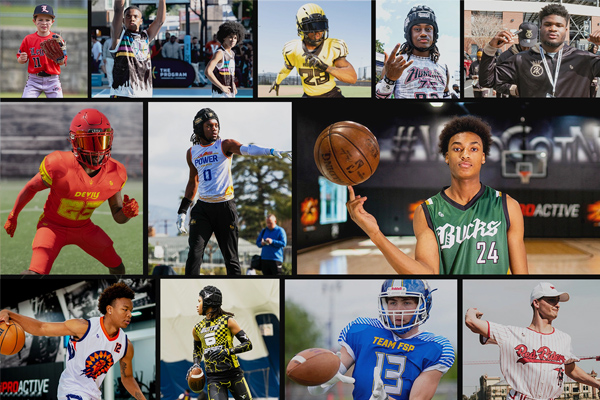
Distributors building a wider range can also review Custom Team Jerseys to compare how the same cost lines apply across sports.
To quote accurately, we need your target quantities, preferred fabric weight (140-160 gsm), artwork or logo files, roster with sizes, packing preference, destination country and required delivery date. Send those and we will return a quote that separates each cost line, so you can compare it fairly against other suppliers. If you are still deciding between weights or shipping modes, tell us your climate and deadline and we will recommend options with their limits.
Ready to build your budget? Send your quantities and design files to the Hening team and request a line-by-line quotation.






 WhatsApp
 Email
 +8618978569271