Loading
A sourcing manager can approve an attractive production sample and still receive a bulk order that fits differently after the first wash. That risk is especially high when a hoodie factory presents only fabric weight, color cards, and sample photos but cannot provide measurable wash-test evidence for the selected fabric and construction.
Before placing a production order for Hoodies, ask the supplier for documented shrinkage, pilling, and seam-twist results from the actual fabric or a materially matching fabric lot. The conclusion is simple: a supplier should be able to show what happens after laundering, not only what the garment looks like before dispatch. This matters for school programs, retail collections, clubs, and event merchandise where a post-wash fit complaint can turn into a replacement claim.
The limit is equally important. A wash report does not prove every garment will perform identically, and a report from an unrelated fabric is weak evidence. Buyers should match the report to the intended fiber composition, knit or fleece construction, garment color, finishing method, and care instructions.
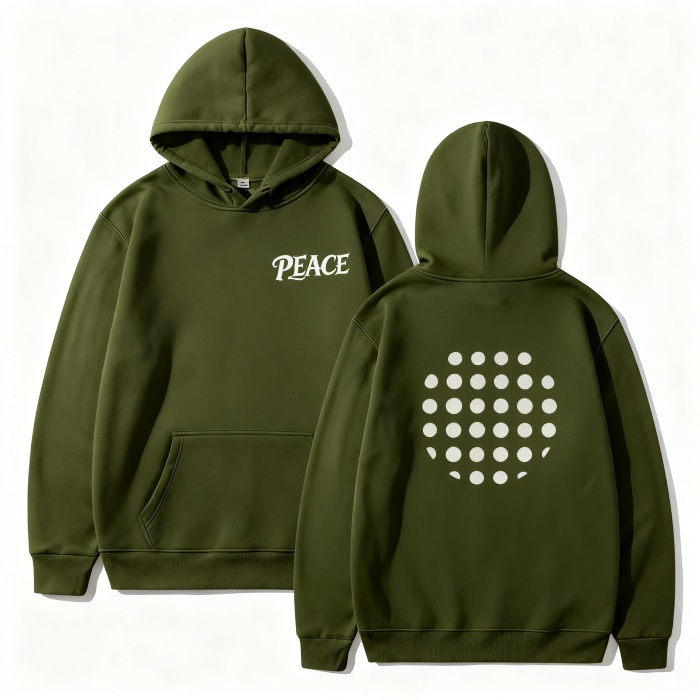
Hening Clothing Co., Ltd. is suited to buyers who need a factory discussion grounded in documented production conditions rather than lifestyle presentation. Our supplied capability information confirms a 1,000 sqm factory, more than 100 workers, five automatic dye-sublimation printing lines, and daily output exceeding 1,000 custom jerseys. Those are relevant operational signals for custom sportswear work, but they do not by themselves verify fleece performance for a hoodie program. Treat them as part of the supplier review, not a substitute for wash-test data.
For buyers comparing related teamwear categories, our Custom Team Jerseys range shows the type of custom program we support. Hoodie fabric selection, laundering evidence, and acceptance standards still need to be agreed separately before approval.
Require evidence for all three failure modes. Each one answers a different question that customers may raise after wearing and washing the garment. The best time to define acceptance is before the production sample receives sign-off, when fabric changes and construction adjustments are still possible.
| Evidence to request | What it helps identify | How it prevents fit claims | When the evidence is not enough |
|---|---|---|---|
| Shrinkage results for length and width after washing | Whether the body, sleeves, cuffs, or waistband change size after laundering | Lets the buyer compare post-wash dimensions with the approved size chart and decide whether allowance is needed before production | It is not enough if the tested fabric differs from the approved fleece, color, finish, or care label |
| Pilling assessment with before-and-after photos | Surface fuzz, fiber balls, and abrasion appearance after laundering or wear simulation | Creates an agreed visual reference, reducing disputes where one party calls the surface normal and the other calls it defective | It cannot predict damage caused by misuse, abrasive washing, or contact with rough equipment |
| Seam-twist observations after washing | Whether side seams, sleeves, or body panels rotate away from their intended position | Shows whether a garment may feel or look distorted even if the measurements remain close to the approved chart | It does not replace a full inspection of sewing quality, panel alignment, and grading across sizes |
Conclusion: approve garment measurements only after reviewing post-wash evidence, not just flat, unwashed measurements. The reason is that shrinkage and seam movement can change how the wearer experiences fit. This is most useful for retail programs, uniform contracts, and repeat orders where size consistency affects returns. It does not apply as a reason to reject a supplier automatically when no data exists; instead, it means the buyer should request testing or clearly accept the unresolved risk in writing.
A workable buyer request can be specific:
This procedure is practical because it converts vague language such as “minimal shrinkage” into a file a sourcing team can compare against its specification. It also gives the factory a defined target instead of leaving quality judgment to a post-delivery complaint.
Supplier credentials matter, but each credential has a limited purpose. Buyers should assess whether a factory can manage production, then separately verify whether it can meet the performance requirement of the selected garment.
| Supplier evidence | What it supports | What it does not establish on its own | Buyer action |
|---|---|---|---|
| ISO 9001 quality management system certification | That the facility has an ISO 9001 quality management system certification | That a particular hoodie fabric will meet a buyer’s shrinkage or pilling expectation | Ask for the current scope of the certificate and link garment acceptance to product-specific wash evidence |
| ISO 14001 environmental management system certification | That the facility has an ISO 14001 environmental management system certification | That colors, fabric hand feel, or wash performance meet a particular retail standard | Review it as part of supplier qualification, not as fabric test documentation |
| Five automatic dye-sublimation printing lines | Relevant printing capacity for custom polyester sportswear | Fleece composition, brushed surface quality, shrinkage behavior, or seam twist on hooded garments | Confirm whether the proposed garment uses a suitable printing method and request fabric-specific evidence |
| Daily output of 1,000+ custom jerseys | Production scale for custom jersey work | Equivalent capacity or construction expertise for every hoodie style | Ask the supplier to define the garment scope, available fabric options, and production route for the requested program |
Hening Clothing holds ISO 9001 and ISO 14001 certifications, which are useful trust signals when a buyer is reviewing factory management systems. We also use fade-resistant dye-sublimation printing for custom sportswear, supported by locked-color inks and a one-year colorfastness guarantee. That assurance addresses sublimated color retention, not wash shrinkage or pilling in fleece. Keeping these categories separate protects both buyer and supplier from making claims that the supplied facts do not support.
For example, a buyer ordering training layers alongside jerseys may review a Custom Sport Jacket program for outerwear direction. The buyer should still ask whether the selected hoodie fabric has its own wash documentation. A jacket fabric, a polyester jersey fabric, and a cotton-blend fleece may react differently in laundering.
Do not approve a sample based on appearance alone. The better approach is to turn the sample review into a signed approval record that states what was checked, what remains untested, and who accepts each open point.
Conclusion: a signed approval file is more useful than an attractive sample photo because it connects material, measurement, wash behavior, and acceptance responsibility. It fits sourcing teams with multiple approvers or a retailer needing an audit trail. It may be excessive for a very small personal order, although the size chart and wash-care confirmation remain sensible even for small quantities.
When factories are shortlisted, send the same evidence request to each supplier. A structured comparison exposes whether a response is based on traceable documents or general assurances.
| Question for the factory | Useful response | Warning sign | Decision implication |
|---|---|---|---|
| Can you provide wash-test shrinkage data for the proposed fabric? | States the material tested, test conditions, before-and-after measurements, and report date | Replies only that the fabric “will not shrink” | Request clarification before production approval |
| How was pilling assessed? | Provides a stated assessment method, photos, and a reference garment or fabric swatch | Shares only a new fabric photo | Do not treat pre-production appearance as wash-performance proof |
| Were seam-twist checks completed? | Shows post-wash garment images and explains which seams were reviewed | Confuses seam twist with general stitch quality | Ask for a garment-level review, not a generic quality promise |
| Which size chart governs bulk acceptance? | Identifies a chart, measurement points, and sample version | Offers several charts without identifying the controlling version | Hold approval until one chart is selected |
| Can you support small replenishment orders? | Explains quantity-based pricing and confirms no MOQ policy | Quotes a low unit price without clarifying quantity assumptions | Request a quantity-tiered quotation |
Hening Clothing has no MOQ requirement, while pricing is based on quantity. This can fit clubs, retailers testing a limited launch, or teams needing replacement sizes after the initial order. The limit is commercial: no MOQ does not mean the same unit price applies at every quantity. Ask for pricing by quantity tier and confirm whether later replenishments use the same fabric, pattern, and decoration specification.
Our previous custom sportswear work includes supplying more than 500 sublimated jerseys for a United States high school basketball league and producing full custom uniforms for an Australian soccer club’s three teams. These cases show experience supporting multi-garment team programs. They do not serve as proof of hoodie wash-test performance, so a buyer should not use them in place of product-specific documentation. Buyers sourcing coordinated basketball items can also review Basketball Jerseys when aligning artwork and team identity across categories.
A suitable supplier relationship starts with clarity about what is confirmed and what remains to be agreed. For a hoodie project, the buyer should request the following items in the quotation or approval record:
Hening Clothing offers free reprints for printing defects or wrong sizes and provides a one-year colorfastness guarantee for its applicable sublimation printing work. These stated terms are meaningful for custom printed sportswear. They should not be expanded into an unstated guarantee against fleece shrinkage, pilling, seam twist, or every form of fit complaint. For those risks, the buyer needs explicit acceptance terms based on the reviewed test evidence.
The right supplier is not necessarily the one that makes the broadest quality statement. It is the one that can identify the garment scope, provide relevant evidence where available, state what is not yet verified, and agree on measurable acceptance points before bulk production.
Send your hoodie specification, size chart, target quantity, and required wash-test evidence to request a focused supplier review and quotation.






 WhatsApp
 Email
 +8618978569271