Loading
Before issuing an RFQ, club managers and teamwear buyers should define more than a jersey design. The costly errors usually appear later: shorts that do not match the jersey panels, duplicate player numbers, an unsuitable size mix, or a supplier quote that excludes a needed design variation. An Elite Custom Basketball Set should be sourced as one coordinated roster order, not as separate garment purchases.
The first decision is whether your requirement is a standard team kit, multiple squad kits, event apparel, or a distributor range. That decision affects artwork handling, quantity planning, delivery expectations, and price. Quantity matters because Hening Clothing Co., Ltd prices orders according to quantity, while there is no MOQ requirement. This can suit a small club replacing several uniforms as well as a buyer planning a larger league order. It does not mean every quantity receives the same unit price, so request pricing against the exact quantity and size mix you expect to buy.
For a basketball team order, prepare one clear purchasing brief before comparing suppliers:
This preparation fits clubs, schools, distributors, and event buyers who need consistent kits across a roster. It is less relevant when purchasing a single retail garment with no personalization. For teamwear orders, it is the minimum information needed for a usable quotation.
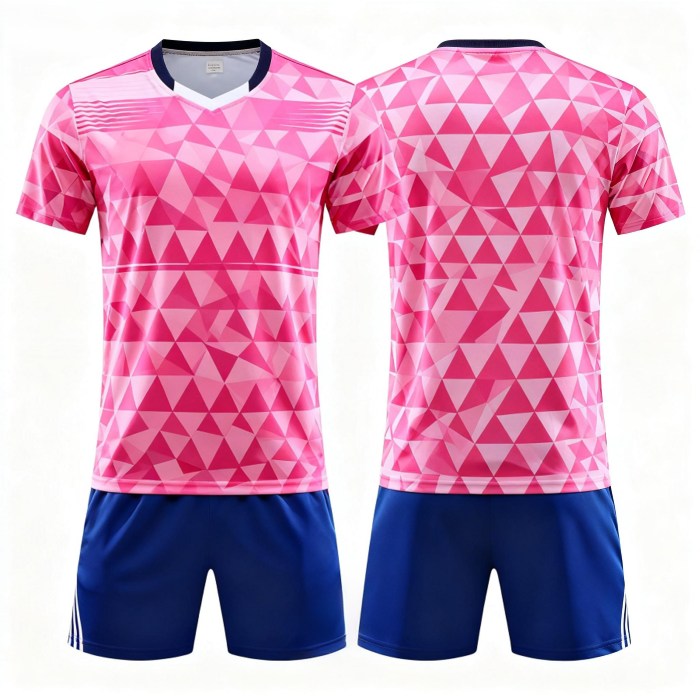
Choose a supplier based on the failure points that matter to your order, not solely on a visible starting price. For basketball sets, the main sourcing risks are color fading, incorrect individual details, poor fit consistency, and production timing. Ask each supplier to address those points against the same written brief.
| Buyer concern | What to verify | Relevant Hening Clothing capability | When this matters most |
|---|---|---|---|
| Colors fade after repeated washing | Ask what printing method is used and what remedy applies to a print defect. | Fade-resistant dye-sublimation printing using locked-color inks, plus free reprint for a printing defect. | Club kits, school programs, and distributor orders expected to remain in use across a season. |
| Players receive inconsistent fits | Request the size chart used for allocation and require approval before production. | Verified size chart; free reprint is offered for a wrong size. | Mixed adult and youth rosters, or orders managed remotely without physical fitting. |
| Small replacement or trial order is rejected | Confirm whether a minimum quantity applies to the actual garment configuration. | No MOQ requirement; pricing is based on quantity. | New clubs, small squads, replacement uniforms, and distributor evaluation orders. |
| Order timing is too slow for the season schedule | Share the required delivery date and ask the supplier to confirm production and shipping assumptions. | Standard production is 7–10 days, with rush options available. | Tournament, school-season, and event orders with fixed dates. |
The practical conclusion is straightforward: select the supplier whose documented terms address your highest risk. If your primary concern is durable print appearance, prioritize the dye-sublimation method, the 1-year colorfastness guarantee, and clarity on defect handling. If the order is a mixed-size club roster, a verified chart and written size approval deserve greater attention than a low headline price.
Hening Clothing’s jerseys use 100% polyester with moisture-wicking, 4-way stretch fabric in the 140–160 gsm range. This specification is relevant for teams seeking breathable basketball apparel rather than a heavy casual garment. It does not replace a fit review. Fabric composition and weight can help a buyer assess intended wear conditions, but the buyer should still confirm garment measurements, cut preference, and whether the shorts are included in the requested configuration.
Buyers also benefit from asking about quality-management evidence. Hening Clothing holds ISO 9001 quality management system certification and ISO 14001 environmental management system certification. These certifications are useful supplier-screening signals for organizations that require documented management systems. They are not a substitute for confirming your own artwork, roster, delivery destination, and product acceptance requirements.
For buyers comparing adjacent product lines, the supplier’s Basketball Jerseys category can help frame a jersey requirement, while Custom Team Jerseys may be relevant when one purchasing team is organizing several sports programs. Those pages should support product comparison; the final quotation should still state exactly what is included in the set.
Use this checklist before asking for a formal quote. The conclusion is to treat the jersey and short as linked items under one roster file. That approach prevents mismatched colors, missing short logos, and incorrect player-number assignments. It is best for full-team orders. It may be unnecessary only when you are buying unpersonalized stock garments.
| Checklist item | What to provide | Why it affects the order | Limit or point to confirm |
|---|---|---|---|
| Size-ratio planning | A roster line for each wearer showing jersey size, short size, and quantity. | Jersey and short sizes may not match for every player. A line-by-line list avoids assuming one size applies to both garments. | Do not use a generic S-to-XL ratio if player measurements or prior uniform sizes are available. |
| Logo files | Original logo file, sponsor logo file, color reference, and placement instructions. | Suppliers need to identify which marks appear on the jersey, the shorts, or both. Clear files reduce interpretation issues. | Confirm logo ownership and approval responsibility within your organization before release. |
| Number allocation | Player name, player number, jersey size, short size, and any captain designation in one roster sheet. | A single source of truth helps prevent duplicate numbers, spelling errors, and sets paired with the wrong player details. | Confirm league rules on permitted numbers and placement before approving artwork. |
| MOQ confirmation | State the total number of sets, spares, and whether later replacements may be needed. | Hening Clothing has no MOQ, while pricing remains quantity-based. The exact quantity is necessary for an accurate quote. | No MOQ does not mean a quoted unit price for one quantity automatically applies to another quantity. |
Start with a spreadsheet rather than a message thread. Use one row per wearer and separate columns for name, number, jersey size, short size, jersey quantity, short quantity, and notes. Add a separate row for each spare set. This is the safest method for a school team, club, or league order where several people submit information.
For example, if a club orders kits for 12 players and two spare sets, the purchase request should show 14 jersey quantities and 14 short quantities, with each size stated separately. Do not assume that a player needing a larger short also requires a larger jersey. This example illustrates how to structure the request, not a recommended order quantity for every team.
Specify the visual elements that must align: base color, side-panel color, trim color, sponsor treatment, and logo placement. If the jersey number does not appear on the shorts, state that clearly. If it does appear on the shorts, identify the position and whether it must match the jersey number. Ambiguous wording such as “same design as jersey” is not enough for a supplier to determine every placement.
For color-sensitive team identities, ask for the proposed artwork for approval and compare it with your approved logo reference. Hening Clothing’s locked-color sublimation inks and 1-year colorfastness guarantee address wash-related color retention. They do not resolve an incorrect source logo or an unapproved color instruction. The buyer remains responsible for supplying the correct brand asset and approval direction.
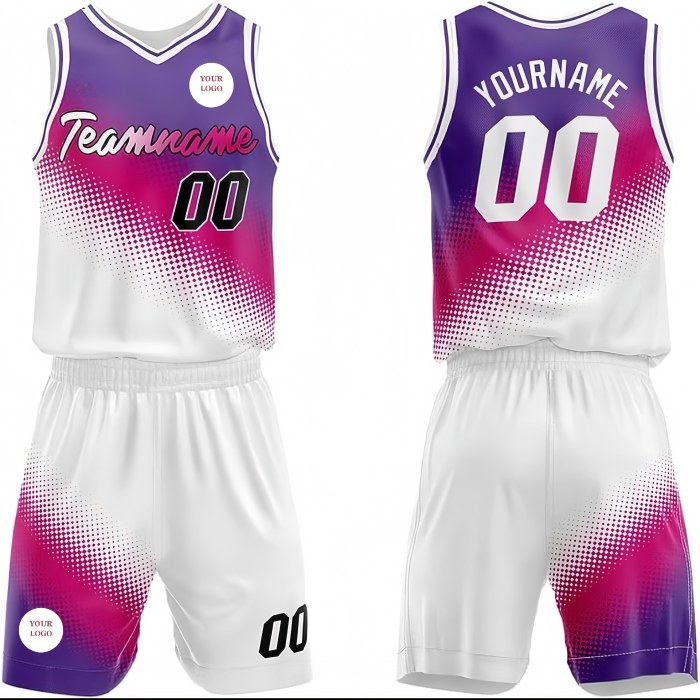
A low unit figure is only useful when every supplier is quoting the same garment scope. The right conclusion is to compare a line-by-line commercial offer: jerseys, shorts, player personalization, design versions, delivery assumptions, and remedial terms. This is particularly useful for distributors and club managers evaluating two or more suppliers. It is less necessary for a repeat order that exactly follows a previously approved specification, although roster changes still need checking.
| Quote line to compare | Question to ask | Why it changes cost or risk |
|---|---|---|
| Set definition | Does the price include both one jersey and one pair of shorts? | A “uniform” or “kit” label can mean different things between suppliers. |
| Quantity basis | What total quantity and size allocation is the price based on? | Hening Clothing bases pricing on quantity, so changing the count can change the quotation. |
| Personalized information | Are names, numbers, and varying player details included in the stated scope? | Roster-specific details require a controlled allocation list. |
| Design variation | Is an alternate colorway, reversible treatment, or sponsor version included? | Different versions should not be assumed to have the same scope or price. |
| Production schedule | What is the confirmed production period after final approval, and what shipping method is assumed? | Hening Clothing’s standard production is 7–10 days, but arrival timing depends on order details and transport arrangements. |
| Defect remedy | What happens if there is a printing defect or wrong size? | Hening Clothing offers free reprint for those stated situations; clarify documentation and the order-specific handling process. |
A buyer should also separate product requirements from optional related garments. For instance, a club may add a warm-up layer after finalizing its game kits. In that case, review the available Custom Sport Jacket options as a separate line item rather than assuming they are included with basketball uniforms. This keeps the kit budget and outerwear budget clear.
When a supplier claims it can handle teamwear volume, ask for evidence that is relevant to your order type. Hening Clothing operates five automatic dye-sublimation printing lines and states a daily output of more than 1,000 custom jerseys. This is meaningful for buyers planning larger programs, league orders, or distributor replenishment discussions. It does not guarantee that every order will ship on the same schedule, because order complexity, approved artwork, and required delivery arrangements still affect the final plan.
There are also relevant supplied-order examples. Hening Clothing supplied more than 500 sublimated jerseys for a US high school basketball league. That case is useful for a school, league administrator, or distributor evaluating whether the supplier has handled a multi-player basketball requirement. It should not be read as a promise that every basketball order will have the same volume, design scope, or delivery terms.
Other documented work includes full custom uniforms for an Australian soccer club’s three teams and 1,000 event jerseys for a European marathon. These examples show experience with roster and event apparel quantities across sports. They are relevant where the buyer needs coordinated personalization or event-scale apparel; they do not establish that basketball shorts, alternate kits, or any special feature are automatically included without being written into the order.
This shortlist method fits buyers who need a defensible procurement decision. It may be more detailed than a casual one-off purchase, but it is appropriate when the uniforms carry club branding, sponsor marks, or a fixed event deadline. The best supplier fit is the one that can confirm the requested scope in writing without leaving assumptions in the order.
Send one consolidated request after your roster and design direction are complete. The goal is not to force a generic price quickly; it is to receive a quote that can be approved without discovering missing components later. This approach works well for clubs, schools, retailers, and teamwear distributors. It is not a replacement for checking your league’s own uniform rules.
For a buyer needing coordinated teamwear with stated production capability, no MOQ, quantity-based pricing, and documented quality-management certifications, Hening Clothing may be a suitable supplier to assess. Submit your roster sheet, logo files, quantity, and required arrival date to request a tailored quote for an Elite Custom Basketball Set.






 WhatsApp
 Email
 +8618978569271