Loading
A swatch looks fine on a desk. It tells you nothing about hour two of a third-set tiebreak. The most expensive mistake we see in sourcing a Custom Team Tennis Match Jersey is approving a pre-production sample on looks alone, then finding out after the first wash cycle that the navy has dulled, the collar has lost its shape, or the sizing runs a half-size off the chart.
I have spent ten years on the sportswear factory floor, and the pattern is consistent. Teams rarely get burned by the design. They get burned by what the design was never tested against: sweat, heat, repeated laundering and the constant lunging and reaching of a match.
This article is for procurement teams comparing overseas manufacturers after receiving fabric swatches or pre-production samples. It explains what proof to ask for, what we at Hening Clothing Co., Ltd can support with documented facts, and where the remaining questions are yours to settle in writing.
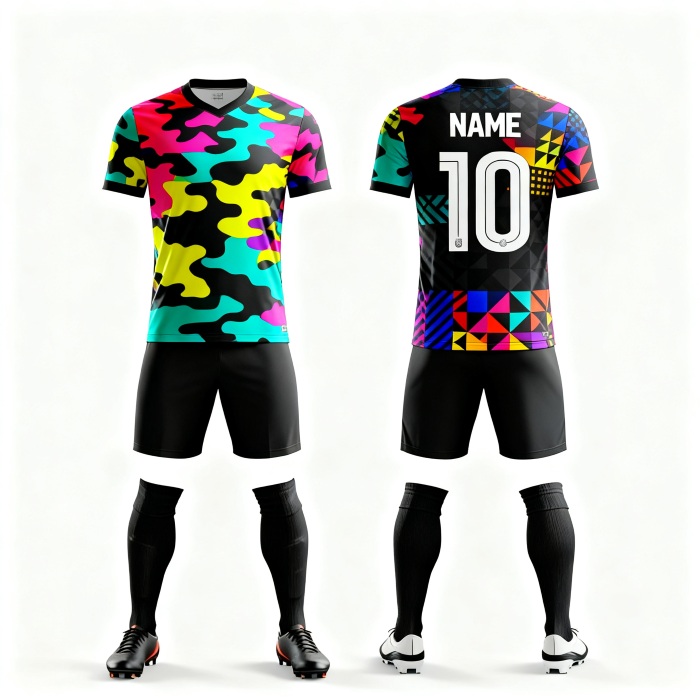
Hening operates a 1000 sqm factory in Guangzhou, China, with 100+ workers and 5 automatic dye-sublimation printing lines. Daily output is 1000+ custom jerseys. That scale matters to a tennis buyer for one reason: a club order of 20 shirts and a league order of 500 run through the same type of equipment, so you are not asking a large line to handle an awkward small job.
Our standard jersey fabric is 100% polyester, moisture-wicking, with 4-way stretch, at 140-160 gsm. For court wear, the lighter end of that range suits hot-climate matches and the heavier end suits cooler conditions or players who prefer a more stable fabric. Which gsm fits a given team is a decision to make from the sample, not from the spec sheet alone.
Our scope is custom sportswear made with dye-sublimation printing. If your design depends on heavy embroidery or other decoration methods, confirm that scope before you commit. You can browse our Tennis Jerseys range and the wider Custom Team Jerseys category to see what we normally produce.
Each test below targets a specific way a jersey fails on court. Ask any supplier, including us, how each one is handled. Where I state what we offer, it comes from our documented terms. Where I say “agree in writing”, the pass criteria are yours to set, because a weekend club and a collegiate program do not wash or wear shirts the same way.
| Test | Match-day failure it prevents | What to ask the supplier | What we can state |
|---|---|---|---|
| Wash test | Shrinkage, warped hems, curled collars after laundering | Ask for a sample washed at your team’s actual routine, with before-and-after measurements | Our size chart is verified; agree the acceptable measurement change in writing before bulk |
| Colorfastness | Faded or dull sublimated colors, color bleed between panels | Ask which ink system is used and what is guaranteed if color fades | We use locked-color inks and give a 1-year colorfastness guarantee |
| Stretch-recovery | Sagging at the shoulders and sides, a shirt that no longer returns to shape after lunges | Ask to stretch and release the sample at shoulder, side seam and hem, then compare to the size chart | The fabric is 4-way stretch polyester; recovery acceptance is for you to judge on the sample |
| Logo and number durability | Cracked, peeling or ghosted crests and numbers | Ask whether the logo is sublimated into the fabric or applied on top, and how it behaves under repeated washing | Sublimated artwork is part of the fabric surface rather than a separate layer; confirm the method for any added element |
Run colorfastness and wash checks together on one sample, because dull color and shrinkage often show up in the same wash. Then check stretch recovery on the washed garment, not the new one. A jersey can feel excellent out of the bag and sag after laundering.
A swatch cannot prove stretch recovery at the seams, because seams are where a jersey usually loses shape. If you only received fabric swatches, treat the results as a fabric check and ask for a finished sample before concluding anything about fit.
A supplier’s claims mean little without verifiable references. Here is what we can put forward, with its scope.
None of those cases is a tennis order, and I would rather say so than stretch them. What they do show is repeat work on performance sublimated apparel across several climates and uses, including long outdoor endurance events where sweat and heat are the main stress. For a racquet-sport comparison, our Badminton Jerseys category uses the same type of lightweight, stretch fabric construction.
The question that remains for you is this: does the sample you hold match the product you will receive in bulk? Ask for the bulk fabric spec in writing, and compare it with the sample you approved.
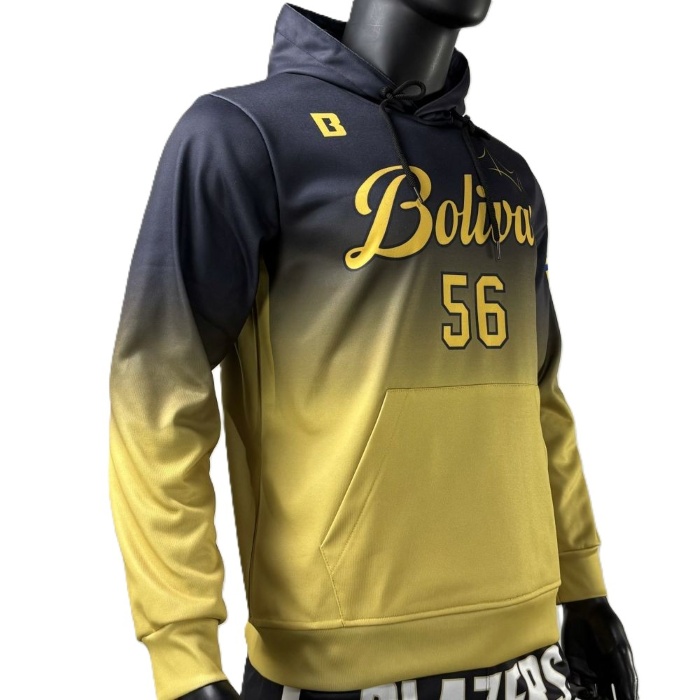
These terms come from our documented conditions:
Several matters are not set by a standard policy and should be agreed before you pay a deposit:
If you need matching warm-up pieces, ask about our Custom Sport Jacket range at the same time so colors can be matched across items.
Take a hypothetical club ordering 24 match shirts, two colorways, with names and numbers. It has two sample shirts in hand, one from each supplier. Here is how I would run the comparison.
The cheaper quote often loses at step four, where one supplier has nothing in writing. That is why the same sample should go through the same four steps for every vendor on your shortlist.
If you are comparing suppliers for a Custom Team Tennis Match Jersey program, send us your quantity, size range, garment types, artwork and target delivery date, and tell us which of the four tests matter most to your team. We can give you a tiered quote and talk through sample options before you decide.






 WhatsApp
 Email
 +8618978569271