Loading
A low unit price can become an expensive purchase if the quote does not clearly state what the supplier is making, how the goods will be packed, and which costs sit outside the product line. Before requesting prices for a Pro Custom Badminton Set, buyers should define whether “set” means a matching jersey and shorts, a jersey-only program with alternate colorways, staff apparel, warm-up layers, or a wider event uniform package.
Hening Clothing Co., Ltd focuses on custom sportswear and team jerseys. Our documented production capability is custom polyester apparel using dye-sublimation printing; buyers should not assume that a quotation includes badminton rackets, shuttlecocks, shoes, bags, or other equipment unless those items are separately confirmed in writing.
Recommendation: create one itemized specification sheet before sending an RFQ to several factories. This makes quote comparison meaningful because each supplier is pricing the same garment scope. It fits importers, private-label sportswear brands, clubs, and event organizers purchasing coordinated badminton apparel. It does not solve a quote comparison if suppliers are using different fabrics, different garment components, or different freight terms without stating them.
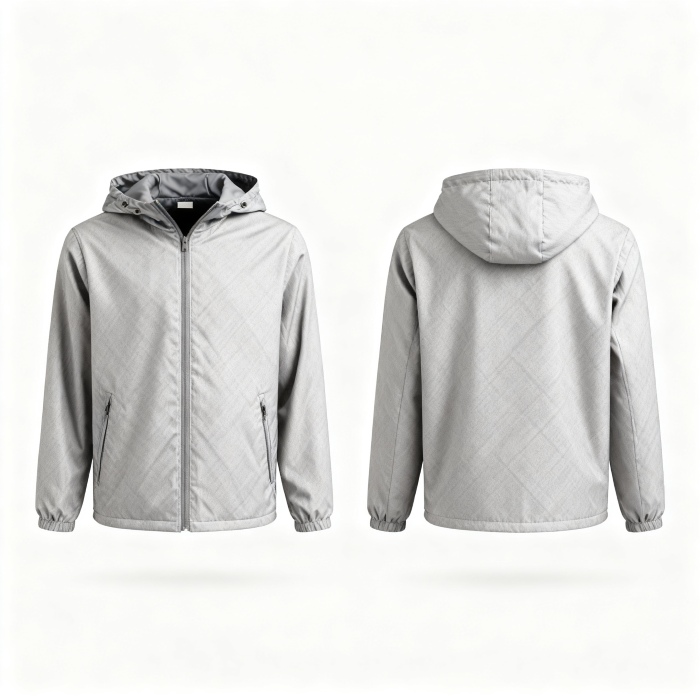
For buyers whose catalog includes several court-sport categories, keeping the same data format across Badminton Jerseys, Tennis Jerseys, and other ranges helps expose where prices differ because of specifications rather than supplier capability.
The correct buying decision is based on landed cost per usable set, not the lowest garment price shown in an initial message. A workable model separates cost drivers that are often rolled into one number. That separation matters when an importer is comparing suppliers whose quotations appear similar but include different print, packaging, or shipping assumptions.
Recommendation: ask every supplier to return the same cost template with each cost line marked as included, excluded, estimated, or not applicable. This works well at the quotation and negotiation stage, especially when the buying team must obtain approval from finance, merchandising, and logistics. It is less useful when artwork, order quantity, destination, and packing instructions are still unknown; those inputs must be settled first.
| Cost driver | What the buyer should request | Why it changes landed cost | Decision limit |
|---|---|---|---|
| Tooling | State whether any setup, pattern, screen, mold, or artwork preparation charge applies, and whether it is one-time or repeated. | Some customization routes may have setup-related charges. A buyer needs to know whether the cost is spread across the first order only. | Do not assume tooling is charged or waived without a written line item. |
| Print method | Name the print method and identify whether names, numbers, and full-body artwork are included. | Decoration affects the production route, artwork handling, and price basis. | Do not compare a full sublimated design with a quote that excludes personalization. |
| Component grade | List fabric construction, weight, collar, waistband, drawcord, labels, and packaging requirements. | Two garments described as “polyester” may not have the same fabric or trim specification. | Only treat components as equal when the written specifications match. |
| Carton volume | Request estimated carton count, outer carton dimensions, gross weight, and units per carton when available. | Freight providers price shipments partly by physical volume and handling needs, not garment count alone. | Carton estimates can change if the size mix or packaging requirement changes. |
| Freight | Separate factory-side product price, freight charge, destination, transport mode, insurance if quoted, and any excluded destination costs. | A cheap factory quote can lose its advantage when transport and handling are added. | Freight is time-sensitive and depends on destination and shipping arrangement. |
| Reorder spares | Price additional named or numbered pieces separately and ask how they will be packed with the main order. | Replacing a late roster addition can cost more than adding a small spare allowance to the original shipment. | Spare pieces should match confirmed artwork and size data; they are not a substitute for size verification. |
A simple approval formula is:
Total landed cost = product subtotal + applicable tooling or setup + print-related charges + packaging and carton charges + freight + destination-side costs confirmed by the buyer + reorder-spare allowance.
Do not treat every line as a supplier charge. Import duty, taxes, customs brokerage, and local delivery depend on the buyer’s destination and import arrangement. They should remain separate unless a supplier has specifically quoted and accepted responsibility for them. This boundary prevents a procurement team from approving an incomplete “delivered” figure.
For a badminton apparel program with full-color team graphics, dye-sublimation should be assessed as a specification choice rather than a decorative extra. Hening uses fade-resistant dye-sublimation printing with locked-color inks, intended to keep colors vivid through washing. This directly addresses a common procurement problem: team uniforms that fade after repeated laundering and no longer match the approved club colors.
Our supplied apparel specification is 100% polyester with moisture-wicking and four-way stretch properties, at 140–160 gsm for breathability. For teams using a coordinated jersey-and-shorts format, this gives buyers a defined starting point for their RFQ instead of accepting an undefined “sports polyester” description.
Recommendation: select the documented polyester sublimation route when your order needs all-over color, sponsor graphics, player names, or numbers integrated into the garment artwork. It suits clubs, school leagues, tournament operators, and brands selling designed teamwear. It may not fit a buyer who requires a non-polyester fiber composition, a decoration method not documented in the quotation, or equipment bundled with apparel.
| Buyer requirement | Specification to place in the RFQ | Why it matters | What still needs confirmation |
|---|---|---|---|
| All-over team graphics | Fade-resistant dye-sublimation printing with approved artwork files. | It aligns the print request with Hening’s stated production capability. | Artwork placement, color approval, and whether each name and number is included. |
| Breathable playing apparel | 100% polyester, moisture-wicking, four-way stretch, 140–160 gsm. | It gives suppliers a shared fabric baseline. | Final garment style, panel arrangement, and fit expectation. |
| Matching team assortment | Specify each top and bottom separately, with quantities by size and colorway. | A “set” price can hide different item values and size distribution. | Whether every player receives identical items or optional add-ons. |
| Retail brand program | State label, barcode, folding, bagging, and carton-mark requirements. | Retail preparation can affect packing and shipping volume. | Exact packaging artwork and destination compliance requirements. |
Buyers should also avoid carrying specifications from unrelated products into the quote. A Custom Sport Jacket, for example, may have different fabric, trim, and packing needs from a lightweight badminton jersey. Use a separate line for each garment category rather than averaging them into one assumed set cost.
A quote should be tested against the supplier’s documented ability to produce the requested apparel, not judged only by a spreadsheet total. Hening states a standard production period of 7–10 days, with rush orders available. The factory has more than 100 workers, five automatic dye-sublimation printing lines, and a stated daily output of more than 1,000 custom jerseys. These facts are relevant when a buyer has a firm tournament date or must coordinate arrivals with a seasonal launch.
The company also holds ISO 9001 quality management system certification and ISO 14001 environmental management system certification. These certifications are relevant supplier qualification signals, but they do not replace agreement on the approved artwork, size breakdown, pack list, delivery destination, or acceptance criteria for a particular order.
Recommendation: use Hening as a fit candidate when you need custom sublimated sportswear, including small replenishment quantities, and need the commercial terms recorded clearly. Hening has no MOQ, although pricing is based on quantity. This is useful for clubs with uneven player rosters, brands testing a design, or importers adding replacement pieces. It does not mean that a one-piece order receives the same unit price, production priority, or freight efficiency as a larger order.
Relevant delivery evidence includes the supply of more than 500 sublimated jerseys for a US high school basketball league, full custom uniforms for an Australian soccer club’s three teams, 1,000 event jerseys for a European marathon, training sportswear for sports retailers in New Zealand, and running singlets for road-race events across Zimbabwe. These cases show experience across teamwear, eventwear, and sports retail orders. They do not establish that every badminton order will have the same quantity, destination, schedule, or product mix.
For quality risk, Hening offers a free reprint for a printing defect or wrong size and a one-year colorfastness guarantee. The buyer should still state what counts as the approved size chart, approved art file, and confirmed order list. The remedy terms should not be treated as permission to leave those details open.
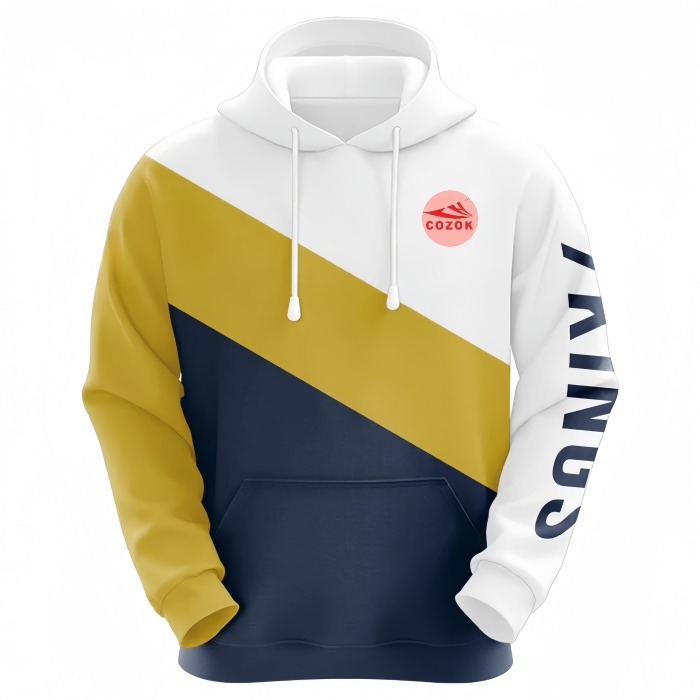
Most quote disputes begin before production, when a buyer compares totals without comparing scope. The following checklist is designed for importers and sports-equipment brands preparing an internal budget. It also makes it easier to identify whether the supplier’s answer is complete or merely attractive.
A practical example: an importer may need 180 matching player sets, 20 additional jersey-only pieces for roster changes, and separately packed staff tops. The buyer should not request one price for “220 sets.” Instead, the RFQ should separate the 180 coordinated apparel allocations, the 20 numbered jersey-only spares, staff tops, and each packing instruction. This exposes whether the apparent increase comes from garment content, personalized print, cartons, or transport volume. It also makes later replenishment planning more accurate.
For a broader club assortment, buyers can apply the same quote discipline to Custom Team Jerseys across different sports. Keep each sport and garment type on its own line; a combined order may be commercially useful, but it should not hide differences in fabric, print, or packaging.
The best quotation is one that states both what the supplier will provide and what the buyer must approve. For a Pro Custom Badminton Set apparel order, Hening’s documented strengths are custom dye-sublimated polyester sportswear, no MOQ, standard 7–10 day production, rush-order availability, stated quality remedies, and capacity for custom jersey production. These points can support a buyer’s supplier shortlist.
Several commercial matters still need agreement for each order. They include the final item list, artwork approval, size chart, quantity by size, component details, pack method, carton information, freight scope, delivery destination, payment terms, and the definition of any reorder spare quantity. Buyers should not infer these terms from a general product description or from a prior order with different requirements.
Recommendation: approve a supplier only after its quote can be reconciled line by line to your RFQ and landed-cost model. This protects budget control for import programs and branded sportswear ranges. It does not eliminate risk from later changes to artwork, quantities, destination, or shipping method; those changes should be repriced before confirmation.
Send your item list, quantity by size, artwork, destination, and required delivery date to request an itemized landed-cost quotation.






 WhatsApp
 Email
 +8618978569271