Loading
A low opening quote can become an expensive choice when a school, club, or distributor needs the same volleyball tee again next season. Before placing an RFQ for a Custom Graphic Volleyball Tee, buyers should ask what happens after the first production run: Is the artwork still usable? Will a new sponsor trigger added work? Does a mixed size run change the unit price? Is freight quoted separately each time?
The practical conclusion is simple: compare suppliers on a five-year program cost, not only the first-order unit price. This approach fits recurring team programs, annual tournaments, school sports departments, and distributors serving clubs with staggered orders. It is less useful for a one-time event order with no expected repeat demand, where the first-order delivered price carries more weight.
Hening Clothing Co., Ltd. can support custom teamwear requirements where buyers need quantity-based pricing without a minimum order quantity. That is relevant when a club needs an initial squad order, then later adds a few athletes, replaces damaged garments, or runs a small top-up order. No MOQ does not mean every quantity has the same price; pricing remains based on quantity, so the buyer should request pricing for both the launch order and expected reorder bands.
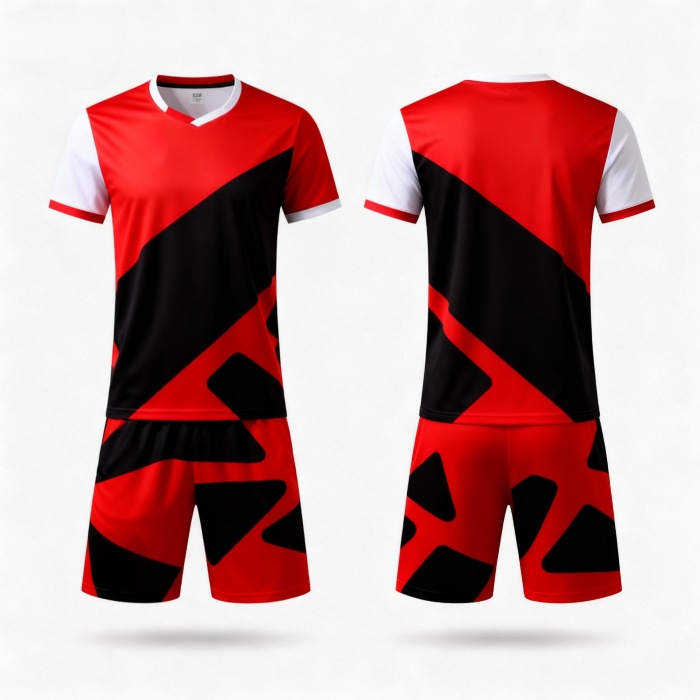
For buyers comparing volleyball apparel with other team categories, the product approach should stay consistent across the program. Our Volleyball Uniform range is a relevant starting point for volleyball-specific requirements, while Custom Team Jerseys can help buyers align broader multi-sport teamwear purchasing.
Use a supplier comparison sheet that separates setup fees, artwork changes, size-run variance, freight, and repeat-order pricing. The conclusion is that a quote should be evaluated as a formula, because a single blended unit price can hide the costs that appear after the first delivery. This is best for buyers who expect more than one order over five years. It does not predict future demand perfectly; it gives procurement teams a consistent way to test assumptions before selecting a supplier.
Five-year total cost = Initial order cost + Setup fees + Artwork-change costs + Size-run variance cost + Freight cost + Repeat-order cost.
| Cost element | What to include | Question to put in the RFQ | Why it matters over five years |
|---|---|---|---|
| Initial order cost | First-run garment price multiplied by first-run quantity | What is the price at our initial quantity and size mix? | A low opening price is useful, but it is only one part of the program budget. |
| Setup fees | Any quoted charges for preparing production artwork, files, or other launch work | List each setup charge separately. Is it charged again on later orders? | Buyers can identify whether the first order carries costs that do not recur. |
| Artwork changes | Charges associated with sponsor updates, revised player information, color changes, or a redesigned graphic | What counts as an artwork change, and what is the charge for each type? | A team may keep its name but change sponsors, event dates, or roster details. |
| Size-run variance | The difference between a planned size mix and the actual mix ordered, if it affects price | Does the quoted price apply to our exact size run? State any price impact for altered size mixes. | School and club rosters change. Reorders often have a different size profile from the launch order. |
| Freight | Freight for the initial delivery and every later shipment | Quote freight separately for each expected delivery quantity and destination. | Several small shipments can cost differently from one consolidated delivery. |
| Repeat-order pricing | Unit price for each forecast reorder quantity | Provide pricing for each anticipated reorder band, not one generic repeat price. | Quantity-based pricing means a small replenishment order may not match the initial-order unit price. |
A useful working version is:
Five-year program cost = (Q0 × P0) + S + ΣA + ΣV + ΣF + Σ(Qr × Pr)
Do not insert invented values merely to make the formula look complete. Instead, build two planning cases. The first is a stable-design case, with no expected graphic changes and consolidated replenishment. The second is a change-prone case, where sponsors, roster names, event graphics, or delivery timing may change. A supplier that looks less expensive in the stable-design case may not remain so in the change-prone case.
The best decision is usually based on your expected ordering pattern, not on a generic “repeat order” promise. For a school or club, prepare a forecast that distinguishes the main team issue from later player additions. For a distributor, separate stock replenishment from customer-specific artwork versions. This method fits quote-stage buyers because it turns an unclear future requirement into line items suppliers can price. It does not remove uncertainty; if future roster volume is unknown, use a range rather than presenting one quantity as certain.
Assume a club plans an initial volleyball program, expects annual player additions, and may update a sponsor graphic during the five-year period. The buyer should not ask only, “What is the price per tee?” A more useful request lists the anticipated order pattern and asks each supplier to quote against the same assumptions.
For a recurring tee program, dye-sublimation can be relevant because the design is printed into the polyester fabric rather than relying on a separate surface print. Hening uses fade-resistant dye-sublimation printing with locked-color inks, addressing a common teamwear concern: graphics that lose their intended look after washing. This is a meaningful fit when a school or club needs repeat orders to remain visually consistent with earlier garments. It is not a substitute for confirming the approved artwork, color expectations, and garment specification in the quote.
Our standard production period is 7–10 days, with rush-order options available. That information is useful when a late roster addition must be supplied close to a competition date. It should not be treated as a freight commitment or a universal emergency-delivery guarantee; destination, order details, artwork readiness, and shipment arrangement still need confirmation.
The right supplier is the one that can document the commercial terms affecting your actual program. For recurring volleyball tees, prioritize quote clarity, design continuity, material suitability, and a defined remedy for verified defects. This is especially relevant for schools, clubs, and distributors that cannot absorb surprise costs or send players onto court in visibly mismatched garments. It is less decisive for an individual consumer purchase where there is no planned reorder cycle.
| Buyer concern | What Hening can state | What the buyer should still confirm |
|---|---|---|
| Small replenishment orders | No MOQ is required, while pricing is based on quantity. | Quote the exact expected replenishment quantity and size mix. |
| Wear comfort during play | Available fabric specification is 100% polyester with moisture-wicking and 4-way stretch properties, at 140–160 gsm for breathability. | Confirm the required garment style, fit preference, and final fabric selection. |
| Print appearance across repeat use | Fade-resistant dye-sublimation printing is designed to keep colors vivid wash after wash, supported by a one-year colorfastness guarantee. | Confirm the approved artwork and color requirements before production. |
| Production controls | Hening operates a 1,000 sqm factory with more than 100 workers and five automatic dye-sublimation printing lines. The facility holds ISO 9001 quality management system certification and ISO 14001 environmental management system certification. | Confirm current schedule availability for the required delivery date. |
| Printing defect or wrong size | Hening provides a free reprint for a printing defect or wrong size. | Agree on the order details, approved size chart, and issue-reporting information needed to assess a claim. |
A verified size chart deserves special attention. Inconsistent sizing creates more than a player-comfort problem: it can trigger avoidable replacement orders and disrupt the five-year budget. The sensible approach is to circulate the size chart before collecting player selections, then keep the approved chart with the purchase record for later reorders. This helps maintain consistency. It does not eliminate the need for each player to select carefully, particularly if body measurements or fit preferences change.
Hening has supplied more than 500 sublimated jerseys for a United States high school basketball league and delivered 1,000 event jerseys for a European marathon. These are relevant examples of supplying larger custom sportswear programs, but they should not be read as proof that every volleyball requirement has the same schedule, price, or specification. Your own quote should stand on its stated quantities, artwork scope, and delivery destination.
Send a structured RFQ rather than a logo and a total quantity. The conclusion is that clear inputs produce a more comparable quote, because suppliers can separate initial costs from later-order assumptions. This checklist works for procurement teams seeking repeatability. It is not a legal agreement, so final responsibilities, acceptance details, payment terms, and shipment arrangements should be confirmed before an order is placed.
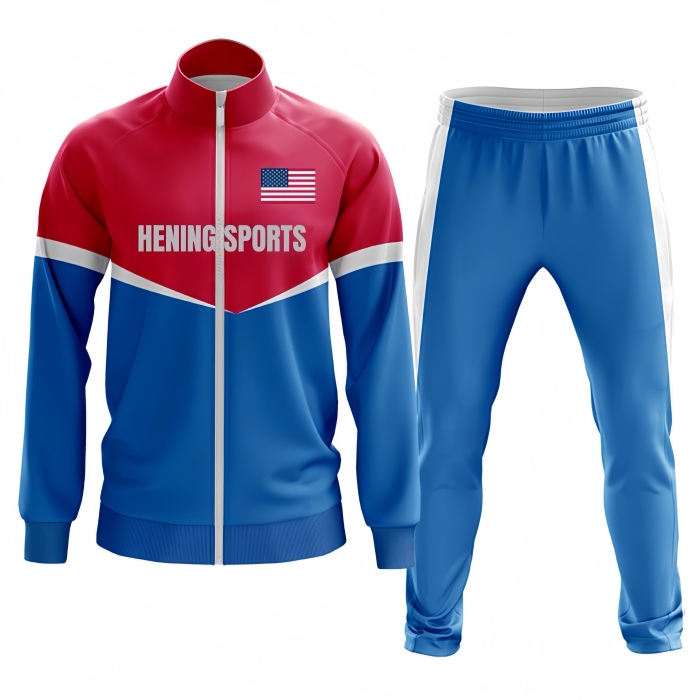
If your program also includes warm-up layers or off-court apparel, quote them separately instead of assuming they use the same cost logic as volleyball tees. A Custom Sport Jacket order may involve different quantities, freight volume, and reorder needs. Keeping these lines separate makes the five-year budget easier to review.
Request a quote with your initial quantity, expected reorder quantities, size run, delivery destination, and any anticipated artwork changes so we can present the cost lines clearly.






 WhatsApp
 Email
 +8618978569271