Loading
The costliest sourcing mistake is not choosing the wrong color or logo treatment. It is asking several overseas suppliers for a quote before defining the garment, size run, artwork, and approval standard they are quoting against. That can produce price comparisons that look useful but are based on different fabrics, collar constructions, decoration methods, and delivery assumptions.
For Custom Print Polo Shirts, procurement managers should treat the first inquiry as a production brief, not a casual request for “branded polos.” A supplier needs enough detail to determine whether the requested item fits its available manufacturing scope, material options, printing process, and production schedule.
Hening Clothing Co., Ltd. is a China-based custom sportswear producer with more than 100 workers, five automatic dye-sublimation printing lines, and daily output of more than 1,000 custom jerseys. The company’s listed core strengths include polyester sportswear, fade-resistant dye-sublimation printing, and no minimum order quantity. Those capabilities can be relevant when a work team needs a lightweight polyester performance polo with printed branding. However, buyers should not assume that every polo collar style, button placket, fabric blend, or embroidery requirement is automatically available. Confirm the proposed polo construction in writing before comparing offers.
This distinction matters most for active teams, events, logistics crews, venue staff, and field-service uniforms. A moisture-wicking polyester polo may suit those roles well. A cotton-rich office polo, a structured piqué fabric, or a garment requiring embroidery may call for a different supplier setup or further confirmation of scope.
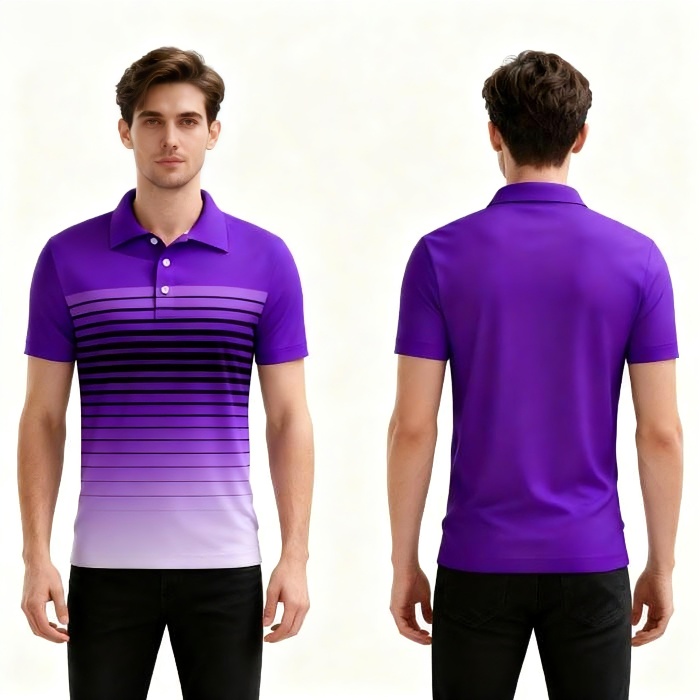
Start by splitting your request into two groups. Non-negotiables are items that affect production feasibility, price, or acceptance: fabric composition, color, logo method, order quantity, delivery deadline, and sizes. Preferences include features such as contrast piping, extra buttons, neck tape, or individual names. Suppliers can quote more accurately when these are separated.
| Brief item | What to specify | Why it changes the quote | When flexibility is sensible |
|---|---|---|---|
| Garment use | Office, outdoor work, event staffing, sports coaching, or retail | Use determines comfort, drying needs, and preferred fabric weight | Be flexible if one garment must serve both indoor and outdoor staff |
| Fabric | Composition, knit type, weight preference, and performance needs | Material selection affects hand feel, print suitability, and unit cost | Do not fix a fabric type before checking whether it suits your decoration method |
| Decoration | Logo locations, dimensions, number of colors, names, and numbering | Print coverage and personalization can change setup and production work | Use one standard layout when cost control matters more than individual identification |
| Quantity | Total units plus estimated repeat-order volume | Hening has no MOQ, but pricing is quantity-based | Small pilots suit no-MOQ ordering; larger forecasts may improve unit pricing |
| Delivery date | Required arrival date, destination, and whether the date is fixed | Production timing and shipping planning cannot be assessed from a date alone | Rush options may be relevant, but availability must be confirmed for the specific order |
A clear brief also lets a buyer identify suppliers that are not a fit early. For example, if your requirement is a heavyweight cotton polo with embroidered chest logos, ask directly whether the supplier can quote that exact construction. Do not accept a generic sports jersey quotation as proof that the requested polo specification is available.
The right material depends on wear conditions, not just brand appearance. For teams working outdoors, moving frequently, or attending active events, breathable synthetic performance fabric can be a practical choice. Hening’s listed sportswear material is 100% polyester with moisture-wicking, four-way stretch properties and a 140–160 gsm range intended for breathability. This is a relevant reference point for buyers seeking lightweight performance apparel.
That material profile does not automatically mean it is the right choice for every company polo. A front-desk team may prefer a more traditional, textured polo appearance. A construction crew may need requirements not described in the supplied product information. A buyer should therefore ask whether the quoted polo uses the stated polyester fabric or another construction, then request that the quote identifies the fabric clearly.
Dye-sublimation is most suitable when the polo is polyester and the design includes large color areas, gradients, all-over patterns, repeated logos, staff names, or numbers. The process places the design into the fabric rather than adding a raised layer on top. Hening states that it uses locked-color inks and provides a one-year colorfastness guarantee, addressing a common buyer concern about faded printed uniforms after washing.
This option has limits. Sublimation is not a universal answer for cotton-heavy garments, and a buyer who specifically needs embroidery should request confirmation that embroidery can be supplied rather than assuming it is included. Likewise, a small chest logo does not always require an all-over print layout. Ask the supplier to explain the proposed decoration method and show it on the approved artwork placement sheet.
For sports-related staff programs, it can also help to align polos with other team garments. Buyers sourcing event crew apparel alongside Custom Team Jerseys can use a shared color reference and logo file, while still specifying separate placement rules for each garment type.
Use the following checklist before sending an RFQ. It turns a broad uniform idea into a request that suppliers can assess against their real capabilities. The checklist does not replace supplier confirmation; it gives the supplier the information needed to identify gaps, quote accurately, and flag questions early.
| Checkpoint | Information to send | Buyer decision to make | Approval evidence to request |
|---|---|---|---|
| Fabric | Required composition, performance needs, color, and preferred garment weight if known | Decide whether lightweight polyester performance fabric is acceptable or whether a traditional polo fabric is required | Written fabric description and confirmation that the proposed construction matches the intended use |
| Fit range | Men’s, women’s, unisex, youth, or mixed fit requirement; sleeve and body-length preferences | Choose whether one unisex fit is acceptable or separate fit blocks are needed | Verified size chart before the order is released; Hening identifies verified sizing as a control against inconsistent fit |
| Print placement | Front, chest, sleeve, back, collar, and any individual-name locations; artwork files and dimensions | Set the maximum acceptable logo size and whether placement must be identical on all sizes | Artwork proof showing logo position, scale, spelling, colors, and personalization data |
| Size runs | Quantity by size, estimated extras, and whether sizes may change before approval | Decide whether to order buffer units for new staff or rely on later no-MOQ repeat orders | Final size-run spreadsheet signed off internally before production starts |
| Pre-production approvals | Named approver, deadline for feedback, accepted proof format, and color reference | Choose who can approve artwork and size information on behalf of the business | Written record of the approved proof, size chart, quantity, and delivery terms |
The fit-range row deserves special attention. “Small to 3XL” is not a usable size instruction unless the buyer also sees the supplier’s measurements. Sizing labels differ between suppliers and markets. Ask for the actual garment size chart, compare it with a currently approved polo, and have wearers measure a reference garment where possible. This is especially useful for mixed workforces where a single unisex cut may create avoidable returns or dissatisfaction.
Print placement should also be measurable. Instead of saying “large back logo,” provide the artwork file and identify the location relative to a garment feature, such as centered below the collar. For a chest logo, state left or right chest, expected width, and whether the logo must remain visually consistent across all sizes. A logo positioned well on a medium shirt can look too low or too small on other sizes if placement rules are not agreed.
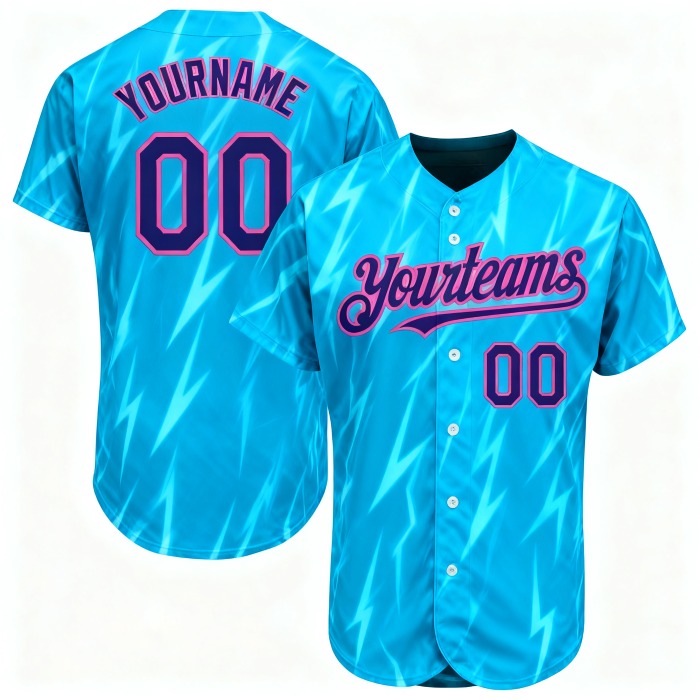
A supplier’s evidence should answer a buyer’s specific risk question. For a work-polo project, assess whether the available evidence relates to print durability, scale, delivery planning, quality controls, or the type of garment you intend to buy.
Hening lists ISO 9001 quality management system certification and ISO 14001 environmental management system certification. These certifications provide useful context when assessing the company’s stated management systems, but they do not by themselves confirm a particular collar style, logo method, or destination-specific compliance requirement. Buyers should still include those product-level questions in the RFQ.
The company also states standard production of 7–10 days and rush-order availability. This is helpful for buyers planning event staff uniforms or replacement orders, but it should not be read as a guaranteed arrival date. Production time is only one part of the purchase plan. Confirm the order-ready date, artwork approval date, destination, shipping method, and any deadline that cannot move.
Relevant supplied order examples show experience with custom sportswear volumes: more than 500 sublimated jerseys for a US high school basketball league, full uniforms for an Australian soccer club’s three teams, 1,000 event jerseys for a European marathon, and training sportswear for retailers in New Zealand. These cases support the company’s experience with customized team and event apparel. They do not establish that every work-polo requirement has already been produced, so the garment specification still needs direct confirmation.
For organizations purchasing both uniforms and sport-specific apparel, the related categories may help organize the supplier discussion. A coaching program might pair work polos with Soccer Jerseys, while a tournament organizer may also need Basketball Jerseys for participants. These are separate product requirements and should receive separate size charts, artwork proofs, and quantities.
A lower quote is only meaningful when suppliers have priced the same specification. Create one comparison sheet and return it to every supplier with the same artwork, size run, quantity, and requested delivery date. If a supplier substitutes fabric, changes the print method, or excludes personalization, record that difference rather than treating the unit price as directly comparable.
| Quote comparison item | What to compare | Why it matters |
|---|---|---|
| Garment specification | Fabric composition, garment weight where stated, collar style, placket, and available fit range | Two polos can look similar in a photo but differ significantly in feel and suitability |
| Decoration scope | Number of logo locations, print coverage, individual names, and numbers | Decoration complexity can alter both price and production timing |
| Quantity basis | Total quantity, units per size, and whether the quote includes later add-on orders | Hening has no MOQ, while its pricing remains quantity-based |
| Quality remedy | Defect definition, evidence required, replacement terms, and color guarantee | Hening states free reprints for printing defects or wrong sizes and a one-year colorfastness guarantee |
| Schedule | Production window, approval deadline, rush availability, and shipping assumptions | A standard 7–10 day production period does not include all planning and transit variables |
Before issuing a purchase order, document the points that determine acceptance. At minimum, this should include the final product description, artwork version, print locations, size chart, quantity by size, agreed production timing, shipping responsibility, and the process for reporting a defect or size error.
Hening’s stated terms are particularly relevant for buyers managing risk on customized apparel: no MOQ, quantity-based pricing, free reprint for a printing defect or wrong size, and a one-year colorfastness guarantee. Ask the supplier to confirm how these terms apply to your order before payment or production release. For example, clarify what information will be used to verify a wrong-size claim and what constitutes the approved artwork version.
The best fit is a buyer who can provide a clear team-uniform brief and who values polyester performance apparel, printed personalization, a verified size-chart review, and a defined approval record. A buyer requiring an unconfirmed polo fabric, a specialized garment construction, embroidery, or compliance documentation beyond the facts provided should raise those requirements at the quotation stage rather than making assumptions.
Send your fabric preference, logo files, size run, quantity, and required delivery date to request a supplier-fit review and quote.






 WhatsApp
 Email
 +8618978569271