Loading
Stock kits look cheaper on the purchase order. Custom kits look cheaper once you count what happens in year two, when three players leave, one logo changes and the sizes you bought are no longer in the catalog. That is the tension for procurement leads: the lowest first invoice and the lowest five year spend are rarely the same option. This guide sets out how to compare them for Badminton Jerseys programs, and which numbers you can trust and which you still have to collect.
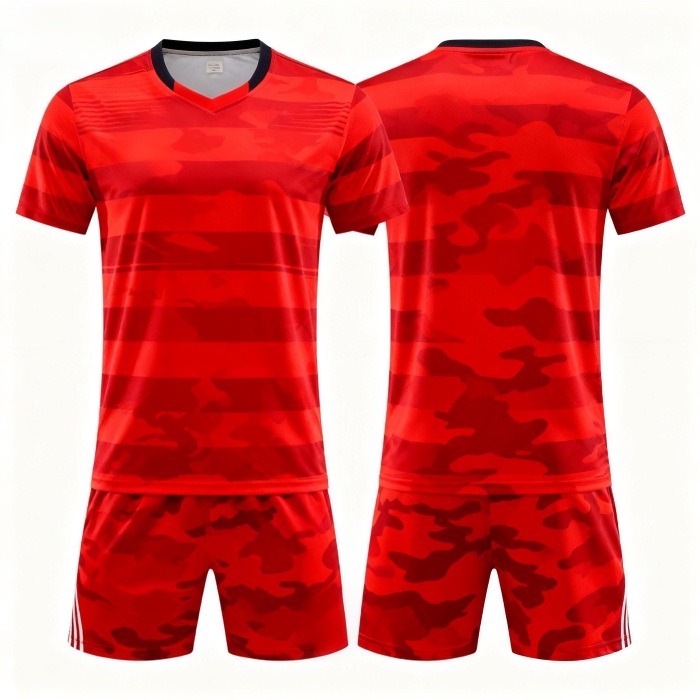
The choice is not “cheap vs premium.” It is a choice about who carries the risk of turnover, sizing and design change. The table below shows where each option tends to win.
| Factor | Stock kits | Custom sublimated kits |
|---|---|---|
| First order price | Usually lower per piece, with no design setup | Depends on quantity; no MOQ, but unit price falls as volume rises |
| Matching later orders | Depends on the supplier keeping the same color and cut | Artwork and size data stay on file, so reorders can match |
| Print durability | Often screen printed or heat applied names and numbers | Full dye sublimation, with a 1 year colorfastness guarantee from us |
| Design refresh | Means replacing everything or accepting mismatch | New artwork, same size chart |
| Best fit | One season events, informal groups | Clubs, leagues and schools running multiple seasons |
Conclusion: custom wins when the program runs three or more seasons or the roster changes every year. Limit: if the group is a single tournament entry with no repeat, stock is the sensible call and a five year model adds nothing.
Most budget sheets stop at the initial order. A usable model has five lines: initial orders, player turnover, replacement units, design refreshes and freight. Each line below is tagged as confirmed, estimated or unknown, so nobody mistakes a planning guess for a quote.
| Cost line | Status | What we know | What you must supply |
|---|---|---|---|
| Initial order | Confirmed once quoted | No MOQ; pricing is based on quantity; standard production is 7 to 10 days | Roster size and a written quote at that quantity |
| Player turnover | Estimated | Reorders can reuse your artwork and verified size chart | Your own leaver and joiner history |
| Replacement units | Estimated | Printing defects and wrong sizes are reprinted free; the 1 year colorfastness guarantee covers fading | Your loss, wear and damage rate per season |
| Design refresh | Unknown until scoped | New artwork on the same fabric (100% polyester, 140 to 160 gsm) and size chart | How often sponsors or branding change |
| Freight | Unknown until destination and weight are set | Rush orders are available | Destination, shipment method, number of shipments |
We do not publish a price per piece here, because pricing moves with quantity and artwork. Anyone who gives you a single “average” figure without those inputs is handing you an estimate dressed as a fact.
The assumptions below are planning inputs, not data from any customer. Replace them with your own history.
That adds up to 66 units over five years, three times the 22 units on the first invoice. Multiply each year’s quantity by the quoted unit price for that quantity, then add freight per shipment. The spreadsheet takes ten minutes. The point is that the first order is roughly a third of the real unit volume, so a program judged on that order alone is judged on a minority of its spend.
Trade-off: ordering every year keeps sizes fresh but means small quantities at higher unit prices and five freight charges. Batching every two years cuts freight but leaves new players waiting. Neither is universally right. Ask for quotes at both quantities and compare.
Buyers search for “how much do custom badminton uniforms cost” and expect a single price. The honest answer is a range driven by four inputs: quantity, artwork complexity, add-ons such as names and numbers, and freight. Custom badminton uniform cost also depends on how many items sit in each set, since shirts, shorts and skirts are priced separately.
For bulk badminton apparel pricing, quantity is the lever you control most. We set no MOQ, so a 10 piece club order is possible, but the price per piece at 10 will not match the price at 100. Badminton teamwear wholesale buyers such as retailers and league suppliers get the best unit economics by consolidating sizes and designs into fewer, larger runs.
For a sense of scale, we supplied 500+ sublimated jerseys to a US high school basketball league and delivered 1000 event jerseys for a European marathon. Those are other sports, but the same lines and ink system apply, and they show how volume pricing works in practice. Our Custom Team Jerseys range shows the same quantity logic across sports.
The badminton uniform replacement rate is the figure procurement teams guess at most often. Our brief does not include an industry benchmark for it, so we will not invent one. Use your own records: count kits retired per season for fading, tearing, lost items and size changes, then divide by roster size.
Two causes of replacement are controllable. Faded prints after washing force early retirement, which is why we use locked color inks and back them with a 1 year colorfastness guarantee. Wrong sizes force reorders, which is why we work from a verified size chart, and we reprint free for any printing defect or wrong size. Those terms remove two common causes of avoidable replacement. They do not cover normal wear, lost kits or a player who outgrows a shirt.
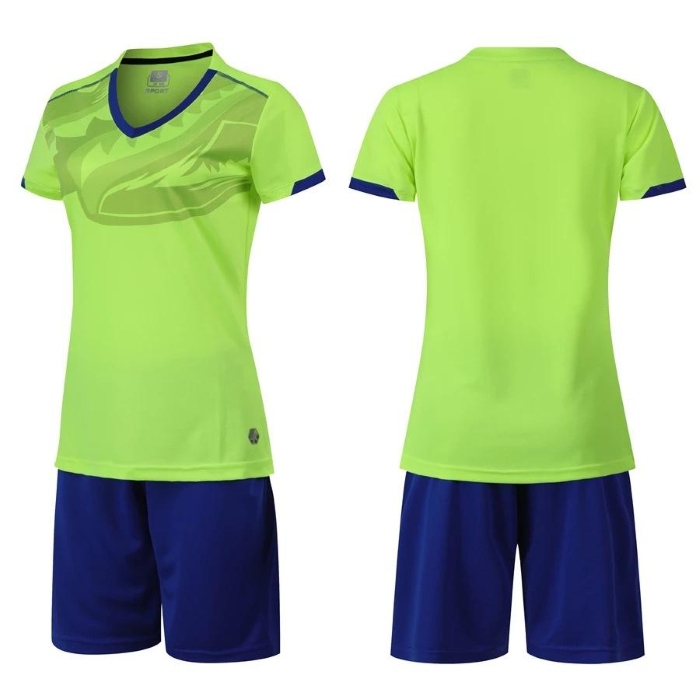
The fabric is 100% polyester, moisture wicking, with 4 way stretch at 140 to 160 gsm, a weight chosen for breathability during fast rallies. Lighter fabric suits hot indoor halls. It also means a rougher wash routine will shorten life, so build care instructions into the team handover.
For context on multi team programs, we produced full custom uniforms for an Australian soccer club’s three teams, which is the kind of mixed roster where consolidated artwork and one size chart reduce reorder errors. We also supply sports retailers in New Zealand with training sportswear, a useful reference if you are sourcing badminton teamwear wholesale for resale rather than for a club.
The model assumes a roster that persists. It breaks down for one off charity events, for programs that change sponsors every few months, or when your accounting treats uniforms as an expensed consumable with no multi year view. In those cases, compare unit price and freight for a single order and stop there.
If you are ready to test your own numbers, send us your roster size, item list and artwork. We will return a quote at two quantity tiers with freight shown separately, so you can fill in the model with real figures. You can also ask for selection advice or a sample before committing.






 WhatsApp
 Email
 +8618978569271