Loading
Why does practice apparel feel hot, damp, or smell unpleasant even when it is sold as breathable? The answer is usually not one single defect. Fabric weight, moisture transfer, mesh condition, garment fit, washing method, and drying habits can all reduce comfort during basketball training.
A Breathable Basketball Training Set should move heat and moisture away from the body during drills, scrimmages, conditioning, and recovery periods. When it fails, buyers need to separate a true fabric issue from a sizing or care problem before replacing an entire team order. This guide provides a practical diagnosis order for coaches, club buyers, sports retailers, and event organizers.
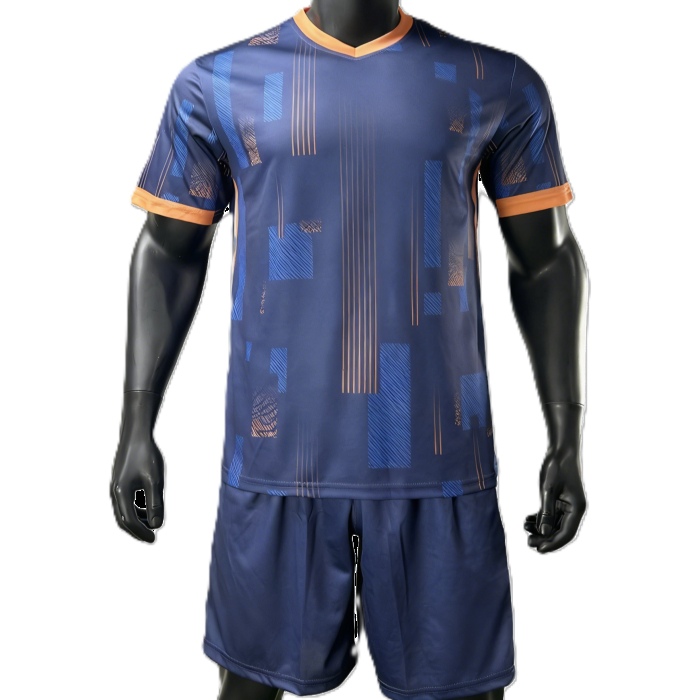
At Hening Clothing Co., Ltd, we use 100% polyester moisture wicking fabric with 4 way stretch in the 140 to 160 gsm range for breathable team apparel. That range suits many training applications, but it does not mean every fabric performs the same in every situation. A close fitting top worn in humid indoor training, for example, can feel warmer than a slightly looser garment using the same material.
Conclusion: Start with the fabric itself when several players report heat retention under similar training conditions. Fabric construction is the first likely cause when discomfort appears across multiple sizes, players, and wash cycles. However, do not treat fabric as the automatic cause if complaints are limited to only a few athletes.
The most useful first comparison is between lightweight moisture transfer fabric and a denser or less open construction. Polyester can be suitable for basketball, but its performance depends on how the fabric is made, how much air can pass through it, and whether sweat can spread across the outer surface for evaporation.
| Fabric or garment condition | Likely player experience | Best use case | Limit or warning |
|---|---|---|---|
| 140 to 160 gsm polyester | Balanced coverage and breathability for regular practice | Team drills, school programs, club training | Can still feel warm when saturated with sweat |
| Open mesh sections | More air movement in targeted heat zones | High output sessions and warm indoor courts | Mesh can clog with detergent residue or dirt |
| Dense printed areas | May feel less open where print coverage is extensive | Numbering, logos, controlled panel graphics | Large solid design areas need placement review |
| Loose fitting practice top | More air space between skin and garment | Warmups and players preferring freer movement | Excess volume can interfere with fast movement |
| Overly tight practice top | Fabric stays close to wet skin and feels damp longer | Only when the pattern supports the athlete’s build | Not suitable for players needing greater torso room |
For team buyers, request a fabric sample before approving a full order. Hold it against light, stretch it gently, and compare the body panels with any mesh areas. Then test the garment during an actual practice session rather than a brief fitting. A sample worn for five minutes in an air conditioned office will not show the same result as repeated sprint drills.
For designs requiring names, numbers, and sponsor artwork, dye sublimation is a practical choice because the graphic becomes part of the polyester fabric rather than forming a separate surface layer. Hening Clothing uses fade resistant dye sublimation printing with locked color inks to help colors stay vivid after washing. This is especially relevant for Basketball Jerseys with large team graphics, where buyers need both clear identification and usable fabric performance.
When this does not apply: If the garment was comfortable when new but became hot and clammy only after several washes, inspect care methods first. Fabric construction does not usually change suddenly, while detergent buildup and blocked mesh can.
Breathable fabric has operating limits. It can release heat and support evaporation only while air passages remain open, moisture can spread through the fabric, and the garment has enough space around the body. Use the diagnosis order below rather than guessing from odor or dampness alone.
| Check order | What to inspect | Symptom | What the symptom points to | Immediate action |
|---|---|---|---|---|
| 1 | Sweat saturation | Entire top is wet and heavy after intense drills | The fabric has reached its moisture handling limit for the session | Use a dry replacement top and review training conditions |
| 2 | Mesh condition | Mesh looks dull, stiff, or holds odor after washing | Possible detergent, softener, body oil, or dirt blockage | Adjust washing method and inspect after the next wash |
| 3 | Garment fit | Chest, back, or underarm fabric stays pressed to skin | Insufficient air gap caused by overly tight sizing | Compare measurements with the approved size chart |
| 4 | Wash and drying routine | Garment feels coated or smells clean when dry but sour when warm | Residue or incomplete drying may be retaining odor | Reduce product buildup and dry fully after washing |
| 5 | Localized heat zones | Only one printed or layered area feels hotter | Panel placement or design coverage may be reducing airflow there | Review artwork placement for the next production run |
Conclusion: When the whole garment becomes wet during high intensity work, the issue may be sweat saturation rather than poor material quality. Once both the inner and outer surfaces are wet, evaporation slows because there is less dry surface available to receive more moisture.
This diagnosis fits repeated full court drills, conditioning blocks, hot venues, and athletes who perspire heavily. The practical solution is to issue a second training top for longer sessions, improve recovery time between drill blocks, or select a design with more open areas in high heat zones.
Limit: A saturated garment should not be accepted as normal if it occurs during low intensity practice or after a short warmup. In that case, investigate fit, fabric weight, or improper care.
Conclusion: Mesh panels only work when their openings remain clear. Fabric softener, excessive detergent, body oil, and court dust can collect in mesh over time. The shirt may then feel less airy even though the panel still looks intact.
This is common with shared basketball practice apparel that is washed in large mixed loads. Ask equipment staff to compare a newer sample with a heavily used garment. If the older mesh feels stiff or carries odor after washing, care is the likely source.
Limit: Do not assume every odor issue comes from mesh. If odor is strongest at the underarms, collar, or waistband while mesh remains clear, the issue may be incomplete drying or bacteria retained in high contact areas.
Conclusion: A garment that is too tight can make breathable fabric perform poorly because there is little room for air circulation. It also keeps wet fabric pressed against the skin, increasing the sensation of dampness.
This is most likely when a team selects sizes based on players’ usual cotton T shirt sizes rather than garment measurements. Basketball movement involves raised arms, torso rotation, defensive stance, and jumping. A top that feels acceptable while standing still may bind across the shoulders and back during practice.
Limit: Sizing up without checking length can create a different problem. Excessively loose tops may shift during play and affect movement. Use a verified athletic size chart and test the chosen size during basketball motions.
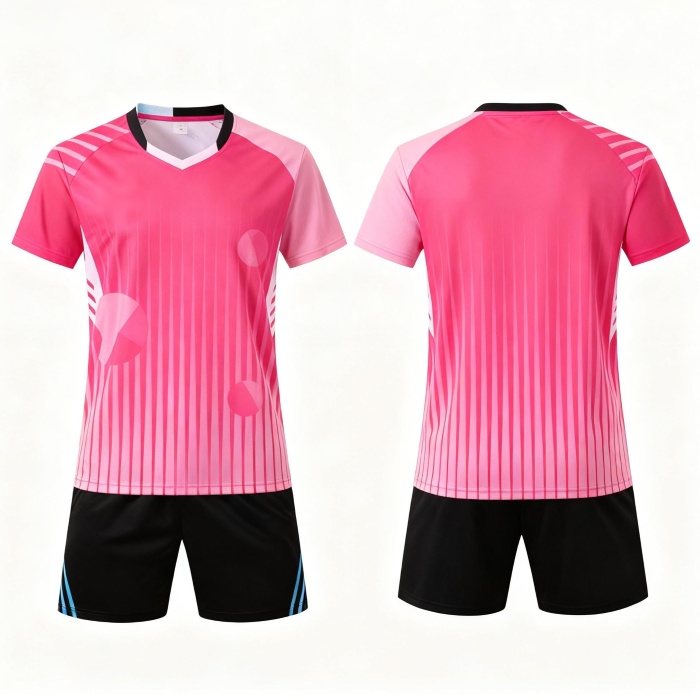
Buyers should not change fabric specifications based on one complaint. Follow this procedure after a representative practice session. It separates individual preference from a repeatable product issue.
Use the findings to make one change at a time. For example, if only older uniforms feel hot and smell sour, change the washing routine before changing the fabric specification. If new and old garments both feel restrictive across the back, review sizing and pattern allowance before ordering replacements.
A practical worked example is a school program where guards complain that their shirts feel damp after conditioning, while centers report chest tightness. The guards may need a second shirt for longer sessions if their garments are fully saturated. The centers need a fit check first because their complaint is concentrated around the chest and upper back. Ordering a heavier fabric for every athlete would not solve either issue.
For clubs ordering coordinated practice and gamewear, align sizing across Custom Team Jerseys and warmup items. A player who needs more chest room in a training top may also need the same adjustment in a jacket layer.
Conclusion: Persistent odor is often a care issue before it is a material failure. Polyester does not absorb moisture in the same way as cotton, but body oils, detergent residue, and moisture left in a closed bag can create an odor retaining fabric problem over time.
Use the following care checklist for team laundry operations and individual players:
This procedure fits teams with shared laundry, tournament programs, and retailers advising customers after purchase. It does not apply when odor appears immediately in new, clean garments before they are worn. That situation requires an inspection of packaging, storage, and handling rather than a player care review.
Color durability matters during repeated laundering as well. Hening Clothing provides a one year colorfastness guarantee and free reprint for a printing defect or wrong size. For a buyer ordering sublimation training jerseys, these terms help reduce the risk of replacing apparel because of approved printing or sizing errors, but they do not replace correct garment care.
Conclusion: The best prevention is a clear order specification that covers fabric, fit, artwork areas, and care expectations. This approach suits schools, clubs, retailers, and event buyers who need consistent results across multiple sizes. It is less necessary for a one piece personal purchase, but still useful when ordering for a small group.
| Buyer decision point | What to request | Why it matters | When to reconsider |
|---|---|---|---|
| Fabric selection | 100% polyester moisture wicking fabric in the required weight range | Supports lighter training apparel with 4 way stretch | Reconsider if the program requires cold weather layering |
| Fit approval | Verified size chart and sample fitting | Reduces tight chest, shoulder, and back issues | Recheck if player roster measurements change |
| Artwork placement | Panel layout showing numbers, logos, and large graphics | Helps avoid unnecessary coverage in heat sensitive zones | Rework if graphics cover key mesh sections |
| Replacement planning | Extra training tops for longer sessions | Addresses sweat saturation without blaming fabric | Not needed for short, low intensity sessions |
| Care instructions | Written washing and drying guidance for staff and players | Reduces residue, odor, and blocked mesh problems | Update if laundry equipment or products change |
Hening Clothing supports no MOQ orders, although pricing is based on quantity. This can help small teams test sizing and fabric choices before committing to a larger replenishment order. For established programs, our standard production period is 7 to 10 days, with rush options available when schedules require faster handling.
Buyers that need matching outer layers should also review Custom Sport Jacket options separately from training tops. A jacket is intended for warmups and travel, not as a substitute for airflow during active basketball drills.
For larger club programs, Hening Clothing has supplied more than 500 sublimated jerseys for a United States high school basketball league. That case shows our capacity to support organized basketball orders, while each new order should still be reviewed for its own sizing mix, training environment, and artwork coverage.
Request a fabric sample and size chart from Hening Clothing before placing your next team training order.






 WhatsApp
 Email
 +8618978569271