Loading
Apparel developers and club program managers often begin a practice-set brief with colors, logos, and player names. Those items matter, but they do not answer the construction question: where should the garment release heat during repeated basketball movements?
A Breathable Basketball Training Set should be developed from the movements players repeat in practice, not from a generic mesh-panel layout. Shooting sessions create a different upper-body pattern from defensive slides. Sprint intervals load the back and side body differently from stationary skill work. Conditioning circuits may create the broadest heat and moisture demand of all.
The practical outcome is a sample brief that tells the factory:
This method fits clubs developing training tops and shorts for regular practice, academies preparing player issue sets, and apparel teams reviewing factory samples before a larger order. It is less suitable when the garment is primarily a warm-up layer. In that case, insulation, wind exposure, and layering need to lead the brief instead. For outer layers, review the construction options available for Custom Sport Jacket programs separately.
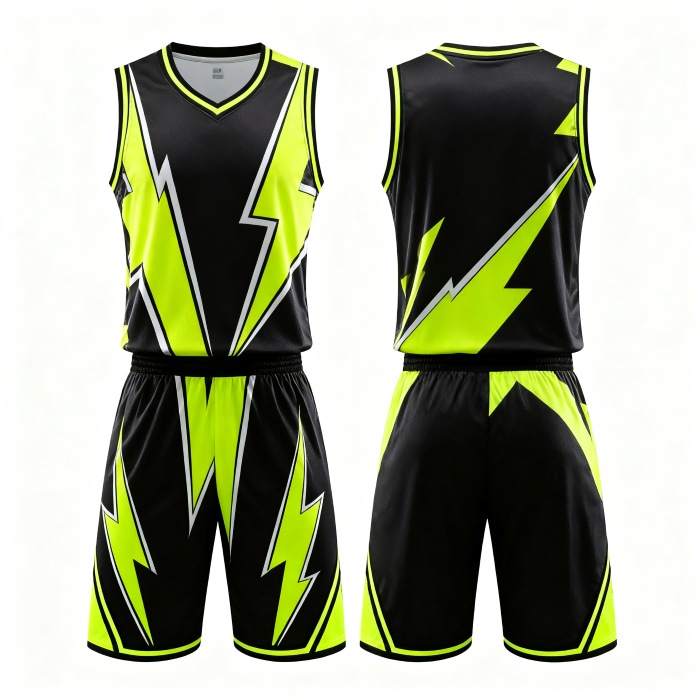
Do not ask a supplier to “make it more breathable” without identifying where and why. That request is too broad to approve against a sample. Gather the inputs below before the first pattern discussion.
| Input needed | What to record | Why it changes construction | When it can wait |
|---|---|---|---|
| Practice schedule | Main drill blocks: shooting, defensive slides, sprint work, conditioning | Shows which movement pattern should control the zone map | Do not delay this; it is the starting point |
| Garment type | Sleeveless top, short-sleeve top, long-sleeve top, shorts, or full set | Changes available panel area and where seams can sit | Decide before pattern work begins |
| Decoration map | Numbers, club crest, sponsor logo, names, and artwork positions | Large printed graphics can conflict with open ventilation areas | Final artwork can wait, but reserved logo areas cannot |
| Player fit reference | Approved size chart, body-length preference, and short inseam preference | Ventilation zones only work as intended if they sit in the correct body position | Do not postpone if multiple sizes are required |
| Fabric baseline | Polyester requirement and preferred garment weight | Sets the base construction before zones are added | Can be refined after the first hand-feel review |
For Hening practice apparel, the standard material basis is 100% polyester with moisture-wicking and 4-way stretch properties, typically in the 140–160 gsm range for breathability. That is a usable starting point for a practice set. It does not automatically mean every zone should be made more open. Areas carrying a number, large graphic, or frequent contact need a different balance between airflow, coverage, and decoration stability.
Use a verified size chart from the outset. A shoulder vent that lands correctly on a medium but drops too far back on larger sizes is not a successful design. Hening uses a verified size chart to reduce inconsistent sizing, a recurring issue for teams replacing player sets later in the season.
Use the drill map below to specify where ventilation is needed and where it may create problems. The aim is not to cover the garment with mesh. The aim is to place more open construction where repeated movement and anticipated sweat buildup make it useful, while keeping stable surfaces where the garment needs them.
| Drill pattern | Repeated movement and likely heat area | Recommended zone placement | Keep this area more stable | Failure to avoid |
|---|---|---|---|---|
| Shooting drills | Arms repeatedly raised; shoulder girdle and upper back are active | Use ventilation through upper back panels or beside the shoulder-blade area; consider side-body sections that do not interfere with arm lift | Front chest logo area, neckline structure, and any front number zone | Putting an open section directly under a large chest mark, which can distort the decoration area |
| Defensive-slide drills | Low stance, lateral steps, arm extension, and repeated torso rotation | Place ventilation along the side body, underarm transition, and rear side seams; use short construction that allows movement at the outer thigh if shorts are included | Areas exposed to frequent floor contact or repeated pulling at side seams | Using a weak side panel without confirming seam stability during lateral movement |
| Sprint drills | Forward acceleration, arm drive, and increased back coverage against the body | Prioritize upper-back and center-back-to-side-back airflow paths; place short ventilation away from the most visible front decoration zone | Back number panel and any area where player identification must remain easy to read | Breaking the back number field into too many sections, making the visual layout look disjointed |
| Conditioning circuits | Mixed body positions, repeated changes of direction, jumps, and floor exercises | Use a balanced map: upper back, side body, and controlled underarm sections; for shorts, consider side or rear-side placement rather than only the front thigh | Waistband, crotch construction, and high-friction inner-thigh areas | Adding open construction to high-friction areas without testing opacity and recovery |
A successful first map normally has a clear logic that a coach, designer, and factory can all explain in the same way. For example: “Upper back ventilation supports shooting and sprint blocks; side-body ventilation supports defensive slides; the chest and back number fields remain stable for club branding.” If the explanation turns into vague language about “sport style,” the brief needs another revision.
Your sample brief should combine construction instructions with visual boundaries. A factory can make a better first sample when it receives a marked-up front and back sketch instead of a list of disconnected requests.
Use the following format for each garment:
For fully printed practice pieces, dye-sublimation gives designers flexibility to integrate color blocks without adding separate sewn panels. However, a printed visual “mesh effect” is not the same as a construction change. If the brief requests a functional ventilation zone, state whether you require a different knit or fabric construction rather than only a printed pattern.
Hening uses fade-resistant dye-sublimation printing with locked-color inks to help colors remain vivid after washing. This is particularly useful for club programs that want matching replacement garments later. It does not remove the need to approve artwork placement on each size. Large graphics can shift in visual proportion when patterns grade from small to larger sizes.
For teams that need a matching competition package, compare the print and identification layout with Basketball Jerseys before finalizing the practice-set artwork. A training top can use a different construction map, but the club colors and player-recognition system should still align.
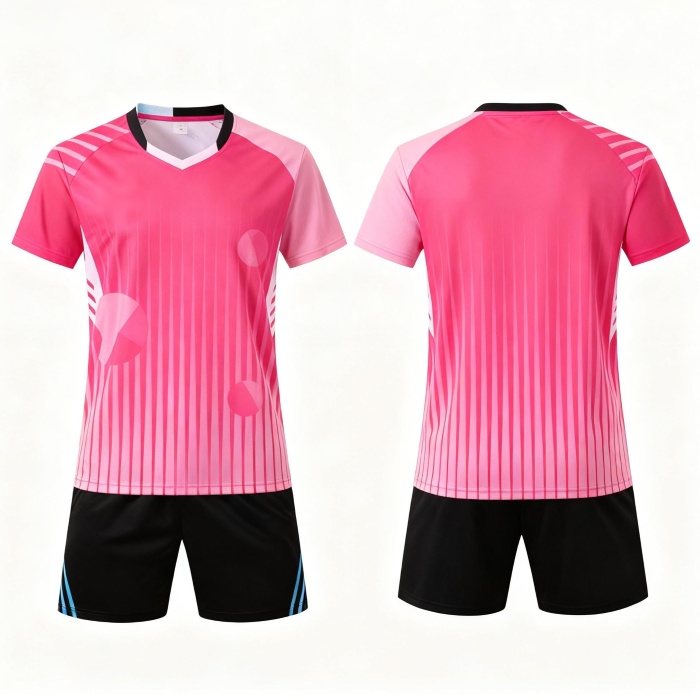
Do not approve a sample from a hanger. The garment must be checked in positions that resemble the drills used in the brief. Assign one wearer who matches the intended size reference and one wearer at a nearby size if possible. This helps reveal whether zone placement changes too much across the graded pattern.
If the wearer reports that the garment feels warm but the fit and panel positions are correct, first review the base fabric choice and the total area of the intended ventilation zones. Do not immediately add more seams. If the garment pulls during defensive slides, review the side-body pattern and armhole relationship before changing fabric weight. If a back graphic breaks awkwardly, move the ventilation boundary or reduce the graphic field rather than accepting a compromised layout.
Hening provides a free reprint for printing defects or wrong sizes, plus a one-year colorfastness guarantee. These protections support order quality, but sample approval remains the buyer’s best control point because it confirms the zone map, sizing direction, and decoration layout before production.
Once the basic zone map works, consider variations that change the practical requirement rather than adding decoration for its own sake.
| Program variation | Recommended adjustment | Why it fits | When not to use it |
|---|---|---|---|
| Summer indoor practice | Keep the balanced upper-back and side-body map | Supports mixed shooting, slide, and conditioning sessions without sacrificing major print fields | Do not use unchanged for outdoor cold-weather sessions requiring a layer system |
| Guard-focused speed sessions | Give added attention to upper-back and rear-side movement areas | Acceleration and repeated transitions are a larger part of the session | Do not reduce stable front and back identification fields too far |
| Post-player contact practice | Keep more stable side and torso coverage where contact is expected | Contact and body positioning can make overly open side construction less suitable | Do not copy a guard sprint layout without reviewing contact exposure |
| Club-wide replacement program | Standardize zone locations and size-chart use across age groups | Creates a clearer reference for repeat orders and replacement pieces | Do not force one fit preference on adult and youth squads without separate approval |
No MOQ allows smaller clubs to test a practice-set construction before expanding the program, although pricing is based on quantity. For larger rollouts, Hening’s facility has five automatic dye-sublimation printing lines and a daily output of more than 1,000 custom jerseys. Standard production is 7–10 days, with rush-order options available when timing is tight.
The process has been used at meaningful order scale: Hening supplied more than 500 sublimated jerseys for a United States high school basketball league. That case supports the value of clear team specifications and repeatable production controls; it should not be treated as a substitute for your own sample review.
For a club building a broader apparel range, align the practice-set color system with Custom Team Jerseys and any off-court items in Custom Casual Wear. Keep the training brief separate, though. Practice construction should still be driven by drill demands.
Submit your marked-up drill map and size chart to request sample guidance for your basketball practice set.






 WhatsApp
 Email
 +8618978569271