Loading
Placing a bulk order for a Custom Sport Jacket only to discover the sizing is inconsistent across the batch is a buyer’s worst-case scenario. A ‘Large’ from one box fits differently than a ‘Large’ from another. The sleeves are too short on the XL, and the body of the small is too wide. Now you have unusable inventory, an unhappy team, and a sourcing headache. Before you even look at a price, you must validate a manufacturer’s capability to deliver a consistent fit. Price is negotiable; a bad fit is a total loss.
In my 10 years on the factory floor, I’ve seen this exact issue derail projects for countless teams. The problem often isn’t a bad design but a supplier who lacks a standardized and verified sizing system. At Hening Clothing, we address this head-on. We built our process around a verified master size chart to ensure that the 100th jacket fits exactly like the first. It’s a non-negotiable part of our quality control.
Not all manufacturers offer the same level of fit customization. Understanding the differences between stock, made-to-measure, and bespoke capabilities is the first step in choosing the right partner. Each method serves a different purpose and has different implications for cost, turnaround time, and scalability. Use this matrix to evaluate which approach aligns with your team’s needs and to ask potential suppliers the right questions.
| Fit Capability | Description | Best For | Hening Clothing’s Offering |
|---|---|---|---|
| Standard Stock Sizing | The supplier uses a pre-defined set of measurements (e.g., S, M, L, XL) based on a standard regional body type (e.g., American, European, Asian). Patterns are graded to create different sizes. | Teams, clubs, and businesses needing reliable, consistent sizing for large groups without individual customization. Ideal for event apparel and standard team uniforms. | This is our core strength. We use a verified, tested size chart to ensure high consistency across all units and batches. Our ISO 9001 quality management system enforces these standards, which is how we reliably produced 1000 event jerseys for a European marathon with zero sizing complaints. |
| Made-to-Measure (MTM) | Minor modifications are made to a standard stock pattern. Examples include adding length to sleeves or torso, or slightly adjusting the chest measurement for a specific individual. | Teams with players who have non-standard body proportions (e.g., very tall basketball players) who don’t fit well into stock sizes. Requires individual measurements. | We can accommodate simple MTM adjustments on bulk orders. This requires clear instructions in your tech pack (e.g., “Size L + 5cm sleeve length”). For complex modifications, we recommend discussing the project with our consultants first to confirm feasibility. |
| Full Bespoke Construction | A completely new pattern is created from scratch based on the client’s unique design, specific body measurements, or a provided physical garment to replicate. | Professional teams, fashion brands, or organizations requiring a unique, proprietary fit that is not available off-the-shelf. It is the most time-consuming and costly option. | We have the capability for full bespoke projects, but it requires a detailed tech pack with precise measurements and grading rules, or a physical sample to reverse-engineer. This process involves a more in-depth pre-production sampling phase to ensure the final fit meets your exact requirements. |
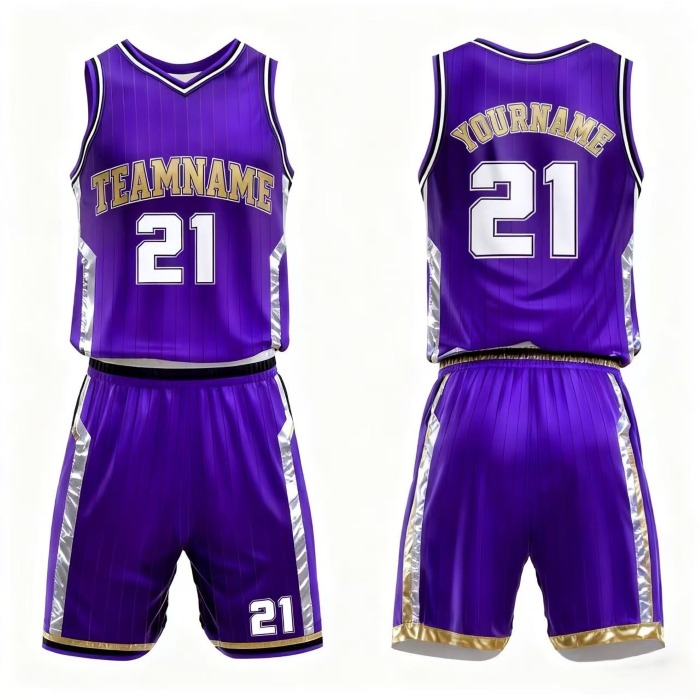
An experienced supplier should be able to answer these questions clearly and confidently. Vague responses are a red flag. Before issuing a purchase order, use this checklist to qualify your potential partner and mitigate your risk of receiving a poorly-sized batch of custom jackets.
A great fit is the foundation, but the materials and construction determine if the jacket will last. After you’ve confirmed a supplier’s sizing capabilities, evaluate these other essential factors.
The material dictates comfort and function. For active use, you need fabric that works with the athlete, not against them. We use a 100% polyester fabric specifically chosen for sportswear. Its key properties include:
One of the most common complaints I hear from teams is that their vibrant custom designs fade or peel after just a few washes. This happens with poor-quality heat transfers or cheap sublimation inks. We use dye-sublimation printing, a process where the ink becomes part of the fabric itself. This means the design will not crack, peel, or fade.
We take it a step further by using advanced, locked-color inks and offer a 1-year colorfastness guarantee. This commitment to durability is why clubs, like the Australian soccer organization we supplied full uniforms for, trust us for gear that looks great on game one and game twenty.
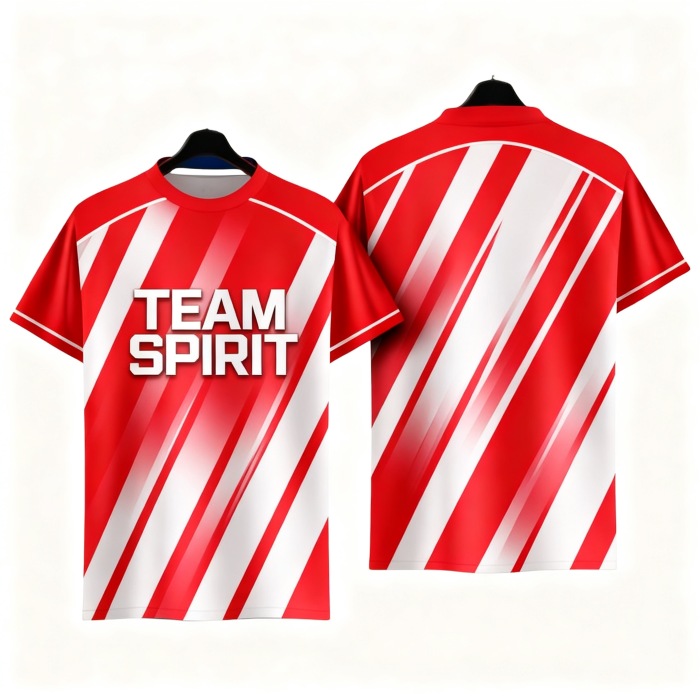
Sourcing team apparel can be complex, but avoiding a few common pitfalls can save you significant time and money. Here are the mistakes I see buyers make most often.
Choosing the right manufacturing partner is about finding a team that understands the technical details and stands behind its product. The fit, fabric, and finish of your team’s apparel all depend on it.
If consistent sizing and durable, fade-resistant printing are priorities for your next apparel order, send our team your design. We can provide a detailed quote and walk you through our production process.






 WhatsApp
 Email
 +8618978569271