Loading
The usual regret comes after the container lands. The hoop frame wobbles, the pumps are missing, the logo is the wrong shade of red, and half the cartons arrive crushed. If you are shortlisting overseas suppliers for a custom print basketball game set, these failures are cheap to catch before you pay a deposit and expensive to fix afterwards. This guide shows what to put in your spec, what to check in each supplier, and where the risks sit.
I’m Linjing He. I have spent 10 years in custom sportswear manufacturing, and the same failure patterns show up on every printed sports order. Hard goods like frames and pumps are a different trade from apparel, so I will say clearly where our own scope applies and where it does not.
Vague briefs produce quotes you cannot compare. One supplier prices a steel frame, another an aluminum one, and a third quietly leaves out the pump. Fix the spec first, then send the same sheet to every supplier on your shortlist.
| Spec item | What to define | Why it changes the price |
|---|---|---|
| Set contents | Hoop and frame, number of balls, pump, needle, carry bag | Each extra component adds cost and carton volume |
| Print areas | Backboard, ball panels, carry bag, optional matching jersey | More print zones mean more setup and more proofs |
| Artwork | Vector logo, Pantone references, placement drawing | Clean files cut revision rounds |
| Quantity tiers | Quote at three levels, such as 100, 300 and 500 sets | Unit price is quantity based, so tiers show where savings stop |
| Packing | Units per carton, carton marks, retail or bulk packing | Affects freight cost and damage rate |
| Deadline | Event date and the latest port departure date | Decides whether you need rush production |
Limit: this table suits promotional and event buyers who control the artwork. If you are buying a stock set with only a sticker logo, a short spec is enough and you can skip the Pantone matching.
This is the section to print and bring to supplier calls. Each line pairs a check with the risk behind it, so you know why a vague answer is a warning sign.
| Check item | The risk behind it | What to ask for |
|---|---|---|
| Frame stability | A hoop that tips over or flexes under a dunk becomes a safety complaint and a returned shipment. Children are usually the end users. | Tube material and wall thickness in writing, base design, a video of the finished sample being shot at and pushed |
| Included balls and pumps | Balls that arrive flat, or pumps with a mismatched needle, make the set unusable on day one. Missing items are also the most common dispute. | A confirmed bill of materials, ball size and material, pump type, spare needles, and whether balls ship inflated or deflated |
| Foldability | Hinges and locking points are where cheap frames fail first. A folding mechanism that jams also hurts retail returns and carton size. | Folded dimensions, a sample to open and close 20 to 30 times yourself, and the locking method |
| Print proofs | Screens show colors differently from printed output. Without a physical or signed digital proof, a wrong logo color is your cost, not theirs. | A digital mockup with Pantone callouts, then a physical sample on the real substrate before bulk starts |
| Export packing | Crushed corners, mixed SKUs and missing carton marks slow customs and cause damage claims. | Carton dimensions and weight, units per carton, drop test practice, carton marking, photos of a packed carton before dispatch |
Where this does not apply: if you buy an unprinted stock set and add a sticker, the print proof line drops out. Frame stability and packing still apply in full.
Branding on a promotional set only works if it stays readable. The print method must match the surface. Dye sublimation suits polyester fabric, such as a carry bag, a banner backboard cover or a matching jersey. Hard plastic and metal parts usually need a different process such as pad printing, screen printing or labels. Ask every supplier which method they use on each surface, and reject any answer that treats them as one.
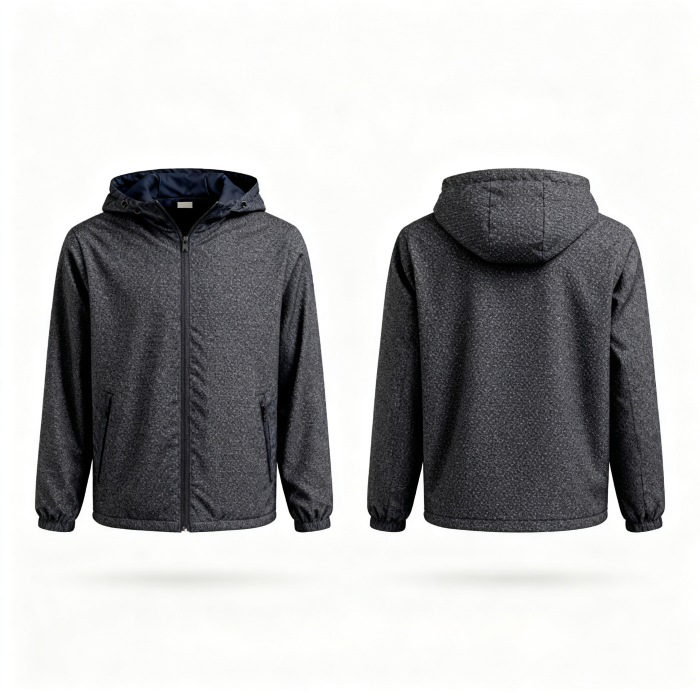
Our own scope is sublimated sportswear, so I’ll be exact. For fabric and apparel parts of a bundle, such as Basketball Jerseys that match the set, we work with 100% polyester fabric at 140 to 160 gsm and locked color inks. Our terms on printed apparel are a free reprint for any printing defect or wrong size, plus a 1-year colorfastness guarantee. We run five automatic dye sublimation printing lines in a 1000 sqm factory in Guangzhou, and our quality system is ISO 9001 certified, with ISO 14001 for environmental management. For hard components, ask us or any supplier to confirm in writing what is made in house before you rely on those terms.
Real orders show why proofs matter. We supplied 500+ sublimated jerseys for a US high school basketball league, where team colors had to match across several squads. We also delivered 1000 event jerseys for a European marathon, where the deadline was tied to race day. In both cases, an approved proof protected the buyer from color disputes.
Price depends on quantity, and a low unit price at high volume does not help a buyer who needs 120 sets. Many promotional programs start small, so ask for a quote at each of your realistic quantities. We work with no MOQ on custom apparel, with pricing based on quantity, and you should ask any set supplier to state their minimum plainly.
| Cost driver | How it behaves | What to do |
|---|---|---|
| Tooling and setup | Spread across units, so it hurts small runs most | Ask if setup is a separate line item |
| Frame material | Largest single hardware cost | Compare quotes on the same tube spec only |
| Print zones | Every extra branded surface adds labor | Brand the two surfaces buyers see first |
| Packing and freight | Bulky sets raise freight per unit | Ask for folded carton dimensions before comparing prices |
| Rush production | Faster output costs more | Build in time and skip the rush fee |
Worked example (hypothetical): you plan 300 sets for a retail promotion, with the event in 10 weeks. Request quotes at 150, 300 and 500. If the 500 tier saves only a few percent per unit, you gain nothing from carrying 200 extra sets in stock. If it saves far more, check whether the extra units can serve a second event.
If your program also needs team apparel, such as Custom Team Jerseys or Custom Casual Wear for staff, bundling it with the set under a single approved color standard keeps your branding consistent. Our market experience includes an Australian soccer club’s uniforms across three teams, and sports retailer training sportswear in New Zealand.
Ready to compare suppliers? Send us your artwork, target quantities and event date, and we will reply with a quotation for the printed apparel side of your bundle and a clear note on what we can and cannot supply.






 WhatsApp
 Email
 +8618978569271