Loading
Before issuing an RFQ, a retailer should confirm one decision that affects returns, stock exposure, production planning, and customer satisfaction: should the order use individual measurements or a standard size chart? Choosing the wrong model for a Custom Sport Jacket program can leave you with unsold sizes, late customer approvals, or avoidable exchanges.
The right answer depends on who will wear the jackets, how they order, and whether you are buying for stock or against confirmed demand. Made to measure jackets can reduce fit disputes for individual buyers, but they require disciplined measurement collection. Standard size runs are usually faster to administer and easier to repeat, but they can create inventory risk when a retailer guesses the size mix incorrectly.
At Hening Clothing Co., Ltd, we use a verified size chart to reduce inconsistent sizing issues before production. Our factory can produce more than 1,000 custom jerseys per day, with standard production typically taking 7 to 10 days and rush options available when schedules allow. That capacity is useful only when the size plan and artwork approval are settled early.
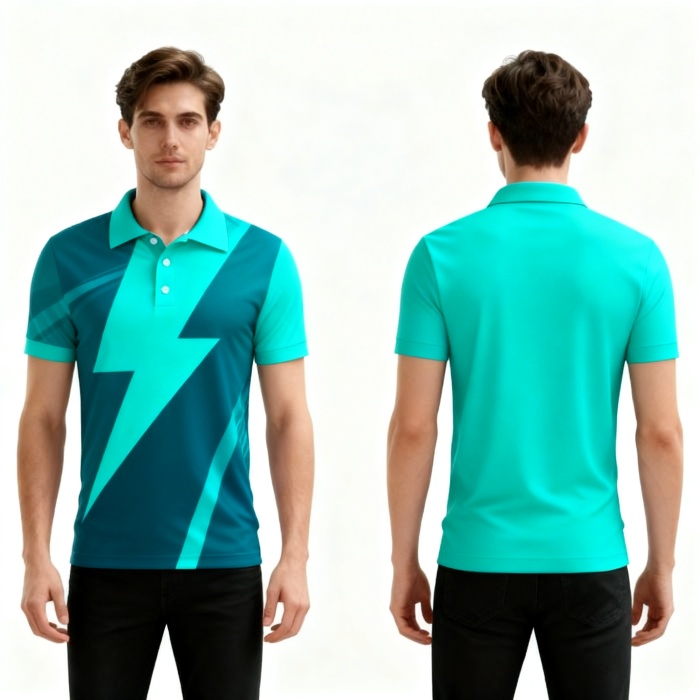
Choose standard size runs when you need repeatable replenishment, faster buyer selection, and simpler stock control. This model suits retailers selling jackets through stores, club shops, event pages, or team catalogs where customers can select from a defined size range. The buyer chooses a listed size, and the retailer orders quantities by size.
Choose made to measure jackets when each wearer is known and fit accuracy matters more than rapid self selection. This works best for premium club programs, staff uniforms, athlete presentation jackets, and pre order groups where the retailer can gather measurements before production begins.
The decision is not about which model is universally better. It is about where the retailer carries risk. Standard size runs place more risk on the retailer’s size forecast. Individual measurement programs place more responsibility on the retailer or end customer to submit correct measurements on time.
| Buying situation | Recommended fit model | Why it fits | When not to use it |
|---|---|---|---|
| Retail shelf stock | Standard size runs | Customers can try familiar sizes and the retailer can reorder proven sizes. | Do not rely on it if your customer base has frequent fit complaints or unusual body proportions. |
| Club pre order store | Made to measure or standard sizes with verified chart | Known buyers allow data collection before production. | Do not use individual measurements if the club cannot enforce a submission deadline. |
| School or youth team program | Standard size runs | Simple parent ordering and easier group administration. | Do not guess the size mix without past order data or a sizing session. |
| Premium staff apparel | Made to measure jackets | Presentation, comfort, and fit consistency may justify added administration. | Do not choose this model for urgent orders with no time to collect measurements. |
| Retail replenishment program | Standard size runs | Repeat SKUs make purchasing and stock tracking easier. | Do not keep every size in equal quantities without reviewing sell through. |
For retailers selling coordinated apparel, standard sizing also supports cross selling. A customer choosing from Custom Team Jerseys may be more likely to add an outer layer when the jacket size follows the same verified chart.
Made to measure programs outperform standard size runs when the buyer list is confirmed, the retailer can collect reliable measurements, and unsold inventory would be expensive or difficult to move. They are not automatically the fastest option. Their advantage comes from avoiding speculative size purchasing, not from eliminating the need for production planning.
| Decision factor | Made to measure program | Standard size run | Best choice |
|---|---|---|---|
| Returns caused by fit | Can reduce disputes when measurements are collected correctly and checked against the supplier chart. | Depends on the clarity of the size chart and the customer’s choice. | Made to measure for known individuals with reliable measurements. |
| Order setup time | Longer before production because measurements must be gathered and verified. | Shorter before production because buyers select listed sizes. | Standard sizes for short pre order windows. |
| Production lead time after approval | Can proceed once the complete measurement file is approved. | Can proceed once the size quantity breakdown is approved. | Neither model has an automatic production advantage after data approval. |
| Inventory risk | Low when each unit is tied to a confirmed buyer. | Higher when the retailer buys stock based on forecasts. | Made to measure for limited demand or premium programs. |
| Repeat ordering | Requires each new buyer to submit details. | Easy to replenish established best selling sizes. | Standard sizes for ongoing retail ranges. |
| Administration burden | Higher because the retailer must chase missing or unclear measurements. | Lower because the retailer manages size quantities only. | Standard sizes for lean retail teams. |
A clear example is a retailer serving a small corporate running club. If the retailer has 28 named participants and every participant confirms chest, body length, and preferred fit before the cutoff date, a made to measure order can avoid holding extra units after the event. If the same retailer expects walk in purchasers over several months, standard size runs are usually safer because the business can stock the sizes that actually sell.
The limit is measurement accuracy. Made to measure does not protect the retailer when customers submit incorrect figures, use inconsistent measuring methods, or change their preference after the specification is approved. Ask customers to measure over the clothing they expect to wear under the jacket, use the same measurement instructions for everyone, and set a final approval date. Our free reprint policy applies to printing defects or wrong sizes, but a buyer should still confirm how size data will be approved before submitting the purchase order.
Use a written size collection process instead of collecting sizes through informal messages. A shared spreadsheet, online form, or retail ordering page gives the supplier one clean file and gives the retailer a record of customer approvals. This reduces transcription mistakes and prevents late changes from being mixed into an approved order.
This process is especially useful for retailers that also sell sport specific products. A club ordering Soccer Jerseys may want jackets for travel and sideline use. Keeping jersey and jacket sizing records together helps staff recommend compatible sizes, while still allowing for the extra room some buyers want in outerwear.
Compare supplier quotes only after the fit model and construction details are identical. A lower quote is not meaningful if one supplier prices a standard chart while another prices individual measurements, or if the printing and fabric requirements differ.
For a sportswear sourcing model, the RFQ should describe the following items in writing:
Do not treat “custom” as a complete specification. For example, “black team jackets with logo” leaves unanswered questions about fit, print position, fabric, cuff style, size mix, and whether individual names are included. A useful RFQ makes each of those points visible before a supplier quotes.
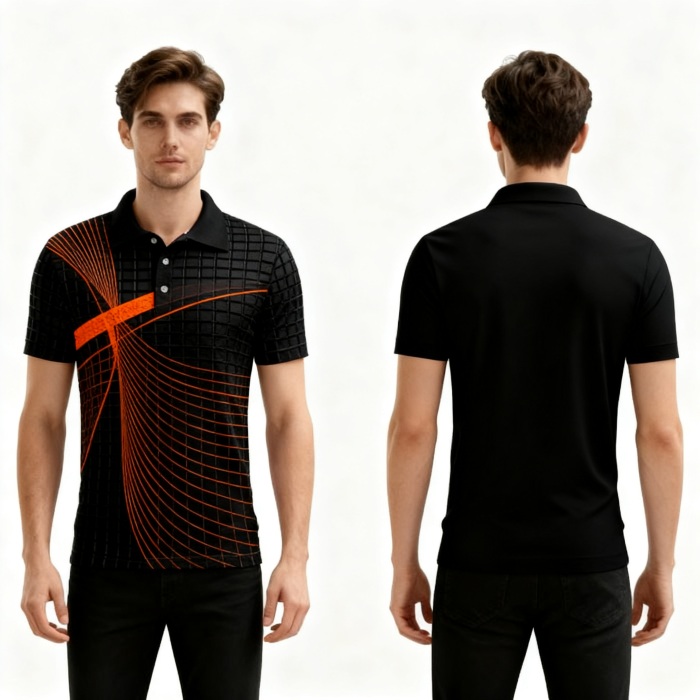
Standard size runs generally make pricing easier to forecast, while made to measure programs can add data handling and order coordination. Neither model should be judged by unit price alone. The retailer should compare the total cost of stock, exchanges, administration, and possible unsold units.
| Cost area | Standard size runs | Made to measure program | Buyer action |
|---|---|---|---|
| Unit sourcing price | Usually easier to quote from a fixed size breakdown. | May require review of individual size data and customization needs. | Request separate pricing based on the same fabric and print specification. |
| Unsold stock | Possible if size demand is forecast incorrectly. | Usually lower when each jacket is prepaid by a named buyer. | Use past sales data before placing stock orders. |
| Administrative time | Lower for the retailer. | Higher because measurements must be collected and checked. | Set an administration fee or minimum order value if needed. |
| Exchange exposure | Can be higher if customers order without checking the chart. | Can be lower with correct measurements, but errors remain possible. | Publish a written fit and exchange policy before checkout. |
| Reorder planning | Simple when popular sizes are known. | Each additional order needs new customer data. | Use standard sizes for evergreen retail lines. |
A retailer should also separate supplier lead time from the full retail timeline. Hening’s standard production window is 7 to 10 days, but that window begins after the specifications are ready for production. If a club needs three weeks to collect measurements, the project schedule is driven by data collection, not factory output. This distinction prevents unrealistic delivery promises to end customers.
Use a pre order campaign when demand is uncertain, then convert proven sizes into a stocked program later. This approach is practical for a new club partnership, seasonal product launch, or niche customer group. It lets the retailer collect actual orders rather than guessing demand.
Start with a limited ordering period and show the verified size chart beside product images. Offer standard size selection if speed and simple administration matter most. Offer individual measurement options only if the order value and buyer profile justify the added work. After delivery, record the ordered size mix, common fit feedback, and repeat demand. That information can guide the next bulk jacket ordering decision.
Hening has supplied full custom uniforms for an Australian soccer club with three teams and supplied training sportswear for sports retailers in New Zealand. Those cases show why a clear size process matters across different group structures: a multi team club needs organized roster data, while a retailer needs records that support repeat ordering. For retail programs that include everyday items beyond team gear, Custom Casual Wear can also be planned with the same chart and approval discipline.
Request a quote with your target quantity, fit model, size chart requirements, artwork status, and required delivery date.






 WhatsApp
 Email
 +8618978569271