Loading
A bulk teamwear order can fail long before the first match if a procurement manager approves a sample based only on color and appearance. Weak seams, unsuitable fabric weight, poor logo application, and unverified sizing can turn an attractive sample into an expensive replacement problem. Before approving a Durable Custom Soccer Set, ask for evidence that the sample can handle repeat washing, active play, and the fit expectations of the full roster.
For procurement teams, the sample-review stage is the best point to identify problems. A rejected sample may delay an order by a few days. A rejected bulk shipment can disrupt an entire season, tournament, school program, or retail launch. The correct approach is not to expect a supplier to promise durability. It is to create a clear approval checklist, document each test, and make production conditional on the approved reference sample.
Hening Clothing Co., Ltd produces custom sportswear with 100% polyester, moisture-wicking, four-way stretch fabric in the 140–160 gsm range. We also use fade-resistant dye-sublimation printing with locked-color inks, offer a one-year colorfastness guarantee, and provide a free reprint for confirmed printing defects or wrong sizes. Those protections matter, but they should support—not replace—your own sample inspection process.
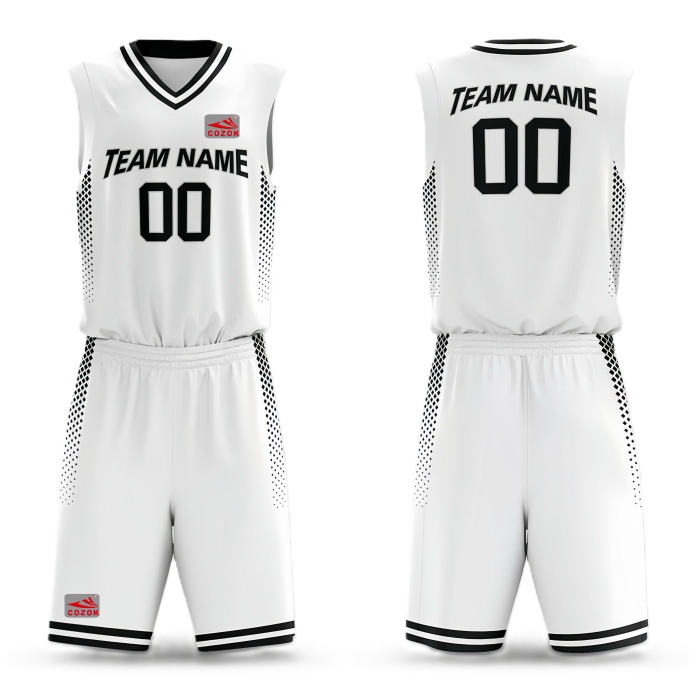
Approve the sample only when it matches a written specification sheet and passes your practical checks. A sample that looks correct under showroom lighting may still have issues with fabric recovery, seam consistency, sizing, or print stability. Your approval should cover the actual materials, construction, artwork, and measurements planned for production.
This approach fits schools, clubs, corporate leagues, academies, event organizers, and sports retailers placing bulk teamwear orders. It is especially useful when different sizes, player names, sponsor marks, or multiple colorways are involved. It does not replace formal laboratory testing where a league, government buyer, or retailer requires a named test standard. In those cases, submit the supplier sample to the required independent test process before issuing final approval.
| Checkpoint | What to inspect | Approval evidence | When extra review is needed |
|---|---|---|---|
| Fabric construction | Confirm the stated 100% polyester composition, hand feel, stretch, and fabric weight range. | Supplier specification sheet and retained fabric swatch. | When players need a heavier or lighter feel than the 140–160 gsm breathable range. |
| Print quality | Inspect color fill, edge sharpness, player numbers, sponsor artwork, and white areas. | Approved artwork file beside the physical sample. | When artwork includes small lettering, gradients, pale colors, or multiple logos. |
| Seam construction | Check that stitches are even, secure, and free from skipped sections, loose ends, or puckering. | Close-up photographs of side seams, shoulders, hems, collar, and sleeve joins. | When the kit has contrast panels, fitted sleeves, pockets, or unusual panel shapes. |
| Fit and grading | Measure chest, body length, sleeve length, and shorts dimensions against the approved size chart. | Signed measurement record for each required sample size. | When the order includes youth, women’s, adult, goalkeeper, or extended sizes. |
| Order identification | Confirm team name, player names, numbers, logo placement, and colorway version. | Numbered approval sample and revision-controlled artwork. | When there are several teams, sponsors, or roster changes. |
Keep one approved sample in your records and require the supplier to keep the matching production reference. Label it with the purchase order number, date, artwork revision, and approved size chart. This gives both parties a practical point of comparison if a later dispute arises.
If you are sourcing jerseys alongside other team categories, review construction expectations separately. The stress points on Soccer Jerseys differ from those on Basketball Jerseys, particularly around sleeve movement, collar shape, and match-day layering.
Run three linked checks on the actual sample: confirm fabric weight, inspect stitch density and consistency, then test the completed logo area after handling and washing. These checks target the points where early failures often start. Fabric affects breathability and stability. Stitching affects seam strength and shape retention. Logo testing identifies print or application issues before the design is repeated across the full order.
Do not treat these checks as separate cosmetic reviews. A shirt can have good artwork but poor seam construction. It can also have secure seams but a fabric choice that does not suit the intended playing environment. Review the full kit as a working garment.
| Test action | What the buyer should do | Failure prevented | Decision boundary |
|---|---|---|---|
| Verify fabric weight | Request the declared gsm range, compare the sample against the approved fabric swatch, and confirm that the material is 100% polyester with moisture-wicking and four-way stretch properties. | Unexpected transparency, unsuitable feel, poor air flow, or a kit that feels different from the approved sample. | The 140–160 gsm range suits breathable teamwear. It may not fit buyers seeking insulated outerwear or unusually heavy training apparel. |
| Inspect stitching density | Examine stitching at the collar, shoulder joins, underarm areas, side seams, hems, and shorts inseam. Check for even stitch spacing, consistent thread tension, and no missed stitches. | Early seam opening, loose thread ends, distorted hems, and panel puckering after use. | Visual inspection can identify inconsistency, but it is not a substitute for a specified laboratory seam-strength method if your tender requires one. |
| Stretch loaded seams | Gently stretch the garment at normal movement points while observing whether stitches pull apart, threads snap, or fabric becomes permanently distorted. | Failure around shoulders, sides, and shorts seams during running, turning, and tackles. | Do not pull aggressively beyond normal garment use. Excessive force can damage any sample and does not represent match conditions. |
| Check logo application | Inspect sponsor marks, club crests, numbers, and names under natural and indoor light. Rub the printed surface lightly with a clean dry cloth and compare it with the approved artwork. | Blurred edges, incorrect placement, incomplete color fill, or visible print flaws. | A dry inspection cannot prove long-term wash performance. Add a controlled wash review where durability is a key approval condition. |
| Wash and reassess | Wash the sample according to its care instructions, dry it as instructed, then compare color, print edges, seam appearance, and garment shape with pre-wash photos. | Early color loss, shape change, print concerns, and seam puckering discovered only after distribution. | One wash is an early screen, not proof of every possible wear condition or laundering practice. |
For a supplier using dye-sublimation, the logo, number, and design are integrated into the fabric rather than added as a separate raised layer. This is useful for clubs that need full-color artwork across the jersey. Hening uses locked-color inks for fade-resistant sublimation printing, and the one-year colorfastness guarantee gives buyers a stated protection point. Still, confirm that the sample artwork, colors, and placement are exactly the version approved for production.
Stop approval when a defect affects repeatability, player use, or order identification. A small issue can be corrected before production. A repeated issue across hundreds of garments becomes a cost, timing, and reputation problem. The table below separates correctable sample feedback from issues that should trigger a revised sample.
| Observed issue | Recommended buyer action | Why it matters | When approval may still proceed |
|---|---|---|---|
| Wrong logo position | Reject the artwork placement and request a corrected sample or placement proof. | Logo placement errors repeat across the entire production run. | Only after a revised proof clearly identifies the corrected location and size. |
| Uneven seam appearance | Request close-up production confirmation and a revised sample if the issue appears at stress points. | Inconsistent seams can lead to early opening or poor garment shape. | For a loose thread in a non-stress area that is corrected before production and documented. |
| Color differs from approved artwork | Pause approval and compare the physical sample against the approved color reference. | Color mismatch is difficult to correct after all garments are printed. | When the buyer accepts the physical sample as the new signed color standard. |
| Size chart mismatch | Measure the garment and request a corrected size sample before bulk cutting begins. | Incorrect sizing affects player comfort and can create large replacement needs. | Only if the buyer formally revises the size chart and confirms the affected roster. |
| Print concern after washing | Send pre-wash and post-wash photos to the supplier and request a review of the printing process. | Print performance is central to club identity and sponsor visibility. | Not until the supplier and buyer agree that the result meets the written acceptance requirement. |
A common mistake is approving a sample because the deadline feels tight. That usually transfers risk from the supplier’s development stage to your distribution stage. Another mistake is approving only one adult medium while ordering youth and adult size ranges. For soccer jersey sizing, inspect at least the sizes that represent the smallest, most common, and largest wearer groups in your order.
Put acceptance criteria in writing before production starts and keep them limited to items you can inspect or verify. This protects the buyer and gives the supplier a clear production target. Avoid subjective instructions such as “make it premium” or “ensure high quality.” Replace them with specific checks tied to the approved sample.
For example, a club ordering home and away kits can specify that all player names, numbers, crest artwork, sponsor artwork, garment measurements, and approved colors must match the signed sample and final artwork files. The buyer can also require notification before any change to fabric, artwork placement, or size chart.
This process fits a procurement manager who needs sign-off from a coach, marketing team, sponsor, or school administrator. It may be too detailed for a very small replacement order, but even a small order benefits from confirming artwork and sizing. Hening has no minimum order quantity, although pricing is based on quantity, so smaller clubs can still request the same disciplined sample review process.
For organizations needing coordinated apparel beyond match kits, align colors and logo files across Custom Team Jerseys, Custom Sport Jacket, and Custom Casual Wear. Do not assume a logo file prepared for a jersey will automatically suit every garment panel or fabric type.
Yes. Build the sample review into the delivery schedule rather than treating it as an optional extra. A rushed approval can hide the defects that your inspection is meant to catch. Allow time for sample feedback, artwork correction, roster confirmation, and the supplier’s production planning.
Hening’s standard production timeline is 7–10 days, with rush options available. That timeline should begin only after the production details are settled. If a tournament date is fixed, work backward from the required delivery date and set an internal deadline for roster lock and sample approval. Rush production can assist when timing is tight, but it does not make incomplete artwork or unclear sizing less risky.
Production capacity also matters when evaluating a supplier’s ability to handle a larger order. Hening operates five automatic dye-sublimation printing lines and produces more than 1,000 custom jerseys per day. The company has supplied more than 500 sublimated jerseys for a United States high school basketball league and delivered 1,000 event jerseys for a European marathon. These examples show experience with larger custom apparel orders, but your own delivery date, design complexity, order mix, and approval speed still need direct confirmation before purchase.
Ask for the stated composition, fabric weight range, stretch characteristics, and care instructions. For Hening soccer apparel, the standard material information is 100% polyester, moisture-wicking, four-way stretch, and 140–160 gsm. This is suited to breathable match and training wear, not necessarily to cold-weather outer layers.
Ask the supplier to retain the approved sample and final artwork as production references. Include your order number and revision date in the approval record. No supplier can prevent every minor variation in textile production, but a retained reference makes expectations clear and allows meaningful comparison.
Ask for the remedy in writing before paying the balance. Hening offers a free reprint for printing defects or wrong sizes, subject to confirmation of the issue. This does not cover buyer-approved incorrect artwork, incorrect roster data supplied by the buyer, or changes requested after production begins.
Request one when the design, fabric, fit, logo position, or supplier changes. It is also recommended for first orders, high-value club programs, and orders with sponsor requirements. A repeat order using an unchanged approved specification may need less sample work, but review it again if there has been a long gap or any specification revision.
Request a quote with your artwork, size breakdown, and sample-review requirements to confirm the right specification before placing your bulk order.






 WhatsApp
 Email
 +8618978569271