Loading
A low initial quote can become expensive when soccer shirts fade after routine washing, shorts split at the seam, or player sizes vary across the same order. For sourcing managers moving from quotation to sample approval, a Durable Custom Soccer Set should be assessed by evidence, not fabric descriptions alone.
Breathable polyester, custom names, club colors, and sponsor logos are all expected features. The harder question is whether the supplier can provide records that show how the proposed kit performs after repeated training, contact, laundering, and match use. If that proof is absent, the buyer is left comparing marketing language rather than measurable supplier capability.
Hening Clothing Co., Ltd. supports custom teamwear buyers that need dye-sublimated sportswear with practical production terms. We use 100% polyester fabric with moisture-wicking and 4-way stretch properties, in a 140–160 gsm range intended for breathability. Our factory has 100+ workers, five automatic dye-sublimation printing lines, and daily output of 1,000+ custom jerseys. Those facts help establish production scope, but they do not replace test documentation for the exact fabric, print, trim, and construction proposed for your order.
That distinction matters. Capacity may help a club or brand assess whether a supplier can handle volume. Wash and wear evidence helps determine whether the selected kit is suitable for the use conditions. Buyers need both.
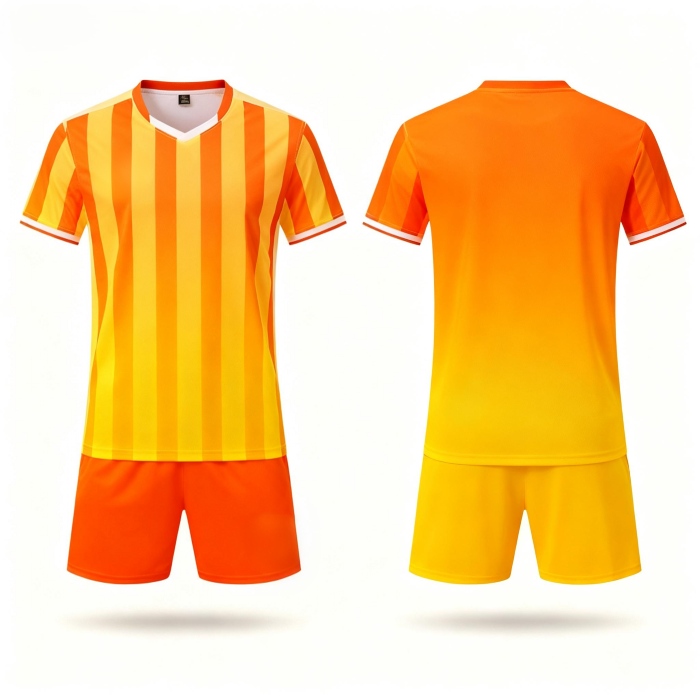
Start by defining what failure would cause the largest operational problem for your organization. An academy replacing kits mid-season has different exposure from a sportswear brand launching a retail collection. A club purchasing uniforms for one tournament may prioritize delivery timing, while a retailer may focus on repeatable color and sizing across later replenishment orders.
| Buyer situation | What to verify before approval | Why it matters | Where the check has limits |
|---|---|---|---|
| Club ordering match kits for several squads | Color reference, size chart, print durability records, and delivery window | Multiple squads need a consistent appearance and usable sizing. | A test record cannot confirm that every player has selected the correct size. |
| Academy with frequent training sessions | Wash-cycle evidence, abrasion evidence, seam-pull evidence, and fabric weight | Training use exposes garments to repeated laundering and physical stress. | Lab-style records do not reproduce every individual training condition. |
| Sportswear brand placing a first production order | Artwork approval, colorfastness evidence, construction details, and acceptance terms | The buyer needs a defined basis for approving the product before launch. | One approved design does not automatically validate future fabrics or revised trims. |
| Small club requiring player additions later | No-MOQ availability, confirmed pricing by quantity, and repeat color reference | Small replenishment needs should not force excess stock purchases. | No MOQ does not mean unit pricing will match a larger bulk order. |
Hening has no MOQ requirement, which can suit a club replacing a few player kits or an academy adding late registrations. Pricing is based on quantity, so buyers should request pricing for the actual first order and likely replenishment quantities. This is especially relevant when a club expects to order 20 kits now and additional sets later. The production term supports flexible order size; it does not guarantee the same price at every quantity.
For buyers comparing garment categories across a broader program, review the supplier’s Soccer Jerseys alongside related teamwear requirements. A soccer top may be approved for one use case, while outerwear or travel apparel requires a separate material and construction review.
Ask for records tied to the proposed product, not a generic statement that the fabric is “durable.” A useful record identifies the material or garment being tested, the method used, the result, the test date, and the organization or facility responsible for the test. If the record cannot be connected to the offered fabric and construction, it has limited value in a supplier comparison.
The following four evidence categories reveal different risks. No single report answers every question.
| Record to request | What it can expose | Questions a buyer should ask | What it does not prove alone |
|---|---|---|---|
| Wash-cycle record | Potential shrinkage, distortion, print cracking, peeling, or change in garment appearance after laundering. | Which fabric and print process were tested? How were garments washed and dried? Is the proposed kit the same construction? | Performance under every detergent, water temperature, drying method, or washing machine. |
| Abrasion record | Potential surface wear in areas exposed to rubbing, such as side panels, sleeves, chest graphics, and shorts. | Which surface was assessed? Was it printed fabric, plain fabric, or a finished garment panel? | Whether a kit will resist damage from studs, rough walls, or unusual field conditions. |
| Colorfastness record | Potential color change or color transfer after wash exposure, perspiration exposure, or rubbing, depending on the stated method. | Does the record cover the proposed colors and sublimation process? Is it relevant to dark-light color combinations? | Exact visual color matching under every lighting condition. |
| Seam-pull record | Potential opening or stress at stitched joins when garments are pulled during play or dressing. | Which seam was tested? What thread, stitch type, panel shape, and fabric were used? | Resistance to damage caused by snagging or misuse outside normal wear. |
Conclusion: require all four categories when the order is intended for regular training and competitive match use. The reasoning is simple: fading, surface wear, seam failure, and wash distortion are separate failure modes. A supplier that only presents color claims may still leave construction stress unaddressed. This level of verification fits clubs, academies, and brands buying a repeat-use uniform program. It may be more documentation than a buyer needs for a one-time promotional item, although color and print approval should still be defined.
Be alert to warning signs. A supplier may send an undated image, a report with no material identification, a record for unrelated fabric, or a claim that testing is unnecessary because the print is sublimated. Dye sublimation is relevant because the design becomes part of the polyester fabric rather than sitting on top as a transfer layer. Yet the buyer should still ask for evidence on the specific proposed material and intended use.
Hening uses fade-resistant dye-sublimation printing with locked-color inks and provides a one-year colorfastness guarantee. That is a stated commercial assurance relevant to concerns about washed-out team colors. Buyers should still clarify the guarantee’s scope, the care conditions expected, and the process for raising a claim before issuing a purchase order. A colorfastness guarantee is not the same thing as a seam-pull record or abrasion report.
Sample approval should not mean “the design looks correct in a photograph.” It should mean the buyer has checked the specific points that can affect bulk acceptance. Where a supplier has not documented a workflow, do not assume that sample approval, bulk production approval, or testing responsibility will be handled in a particular way. Put the agreed requirements in writing.
This checklist fits a first order or a new design revision. It is less necessary when a buyer is reordering an unchanged, previously approved kit and has already documented acceptance requirements. Even then, recheck color references and sizing if the player group, fabric, or artwork has changed.
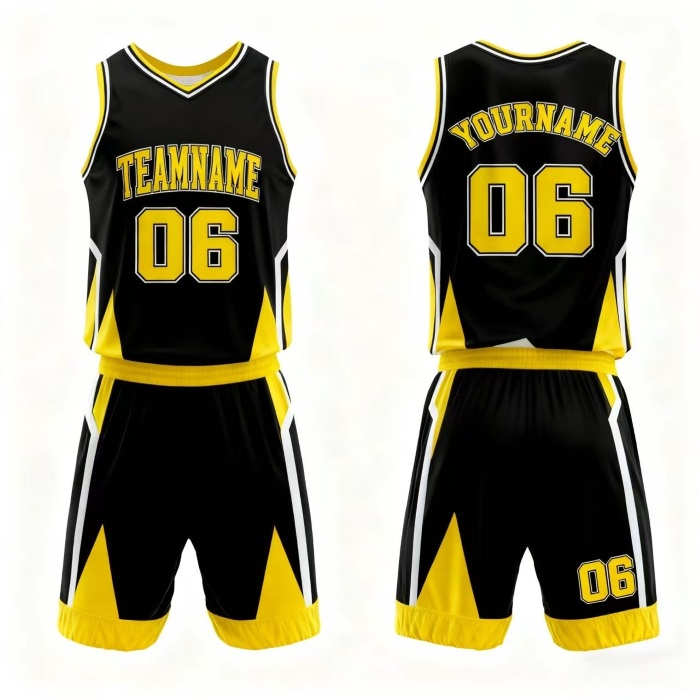
Supplier statements can be valuable when their scope is clear. The table below helps separate a useful commercial term from a claim that needs additional evidence.
| Supplier statement or term | Decision value for the buyer | Evidence or clarification to request | Practical boundary |
|---|---|---|---|
| “Colors resist fading” | Relevant to club identity and retailer presentation. | Colorfastness record, proposed color reference, care guidance, and warranty scope. | Does not confirm seam strength or abrasion resistance. |
| “No MOQ” | Useful for small teams, replacements, and pilot orders. | Price at each required quantity and availability for later additions. | Lower quantities may have a higher unit price. |
| “Fast production” | Relevant to fixed tournament dates and seasonal launches. | Production timing, artwork approval deadline, and rush-order availability. | Production time is different from shipping and import timing. |
| “Quality guaranteed” | Can reduce exposure if the remedy is specific. | Covered defects, claim timing, proof required, and remedy process. | A general statement is not enough without written terms. |
Hening offers free reprints for printing defects or wrong sizes. This is meaningful for buyers who need a stated remedy rather than a vague quality promise. It should be read within its stated boundaries: the offer concerns printing defects and wrong sizes. It should not be treated as an unstated guarantee for every issue that might occur through use, storage, shipping, or care outside the agreed conditions.
Our ISO 9001 quality management system certification and ISO 14001 environmental management system certification are also relevant qualification signals. They can help procurement teams assess the management framework behind production. However, neither certification by itself proves the wash, abrasion, colorfastness, or seam-pull performance of a specific soccer kit. Request product-level evidence separately.
Production capacity matters after the design and approval criteria are clear. Hening’s factory has five automatic dye-sublimation printing lines and a stated daily output of more than 1,000 custom jerseys. This may suit clubs, event organizers, and brands with volume requirements, subject to artwork complexity, order mix, and the confirmed schedule. It does not mean every order can be produced immediately or that jerseys, shorts, and other pieces share the same production timing.
Real project history can also help a buyer understand relevant order types. Hening supplied more than 500 sublimated jerseys for a United States high school basketball league, produced full custom uniforms for an Australian soccer club’s three teams, and delivered 1,000 event jerseys for a European marathon. These examples show experience with team, club, and event apparel volumes. They should not be interpreted as proof that any future soccer order will have identical specifications, timing, or testing documentation.
If your procurement covers multiple team categories, align the verification standard across the program. The same questions about color retention, seams, sizing, and acceptance terms can apply to Custom Team Jerseys, Basketball Jerseys, and other apparel lines. The test evidence itself must still match the specific product being purchased.
A supplier can be a good fit without being the right fit for every procurement model. Hening may be suitable when you need custom polyester teamwear, fade-resistant sublimation printing, flexible quantities, and a standard production target of 7–10 days with rush options. It is particularly relevant when a club wants a uniform program that can accommodate small replacement orders after the initial purchase.
Before committing to bulk production, confirm the points that are not established merely by a quote:
Recommendation: do not approve a Durable Custom Soccer Set on artwork and price alone. Approve it when the supplier’s product evidence, commercial terms, and delivery scope match the way your players will actually use the kit. That approach is best for recurring teamwear programs and brand orders where replacement costs damage margins. For a very small one-off event order, a shorter review may be appropriate, but the buyer should still document colors, sizing, and print acceptance.
Send your kit specification, expected quantity, required delivery date, and the test records you need, and request a quote with the applicable approval terms.






 WhatsApp
 Email
 +8618978569271