Loading
Hi, I’m Linjing He. With 10 years on the factory floor here in Guangzhou, I’ve seen hundreds of retail buyers and team managers make the same mistake: they choose a supplier based on the lowest unit price. This decision often backfires, leading to hidden costs that erode their profit margins. A cheap quote can hide expensive problems like color fading after one wash, inconsistent sizing that leads to returns, and shipping delays that miss seasonal sales windows.
The real cost of a Jacket With Hood isn’t the price on the invoice; it’s the total landed cost plus the risk of unsellable inventory. Before you place your next bulk order, you need a better way to compare suppliers. It’s about understanding the long-term value, not just the short-term price. At our ISO 9001-certified facility, we focus on solving these exact problems to protect our clients’ bottom line.
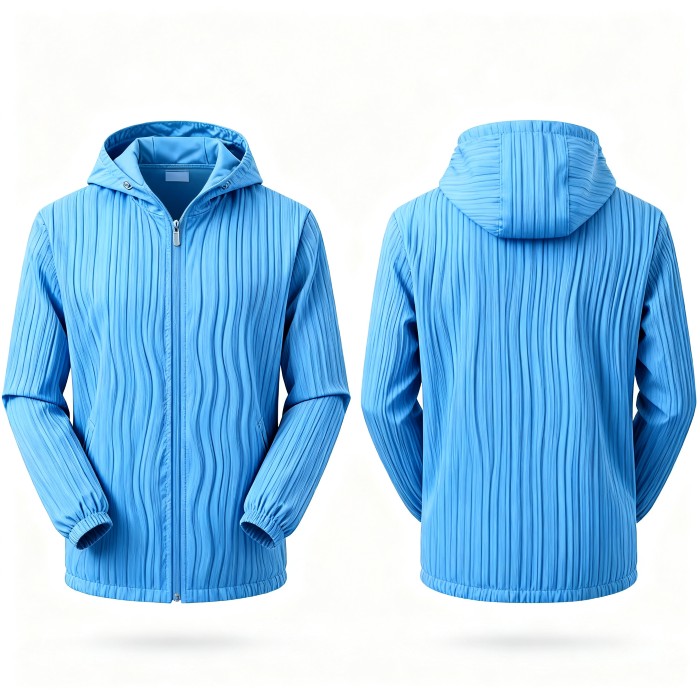
A simple unit price comparison is misleading. A smarter approach is to model the total cost of ownership (TCO) over the expected lifecycle of your inventory. This includes not just a single order, but the cumulative financial impact of quality, reliability, and customer satisfaction. Let’s compare two typical supplier profiles to see how the numbers really stack up.
Scenario: Ordering 500 units of a custom sublimated hooded jacket for retail.
| Cost Factor | Supplier A (Low Price Focus) | Supplier B (Quality Focus – Hening) | Explanation |
|---|---|---|---|
| Unit Price | $12.00 | $13.50 | Confirmed Cost. Supplier A’s initial quote looks more attractive. |
| Decoration (Sublimation) | Included | Included | Confirmed Cost. Both suppliers use dye-sublimation. The key difference lies in ink quality. |
| Estimated Freight (per unit) | $3.50 | $3.50 | Estimated Cost. This is a variable, but we assume it’s equal for comparison. |
| Initial Landed Cost (per unit) | $15.50 | $17.00 | The initial on-paper cost per unit before accounting for quality issues. |
| Estimated Defect Rate | 5% (25 units) | <1% (Guaranteed reprint) | Estimated Risk. Based on common industry issues like bad stitching, inconsistent sizes, or fading prints. We offer a free reprint for any defect. |
| Cost of Defective Units | 25 units x $15.50 = $387.50 | $0 (Units are replaced) | This is a direct loss for the buyer with Supplier A. Our 1-year colorfastness guarantee protects you. |
| Markdown Risk from Fading | ~10% of stock after 6 months | 0% (Fade-resistant inks) | Estimated Risk. Cheaper inks fade, forcing retailers to mark down inventory to clear it. Our locked-color inks prevent this, as proven with clients like the Australian soccer club we outfitted. |
| True Landed Cost (per sellable unit) | ($15.50 * 500 + $387.50) / 475 = $16.39 | $17.00 | When you factor in the cost of unsellable goods, Supplier A’s “cheaper” unit is actually more expensive. |
| Target Retail Price | $45.00 | $45.00 | The price the end customer pays. |
| Gross Profit per Unit | $28.61 | $28.00 | Supplier A appears to have a slight edge here, but this ignores long-term brand damage. |
| Long-Term Impact | Negative reviews, high return rates, brand erosion. | Positive reviews, customer loyalty, repeat business. | The hidden cost of poor quality is lost future sales. |
This model shows that a $1.50 difference in unit price can be completely erased by a modest 5% defect rate. A reliable supplier isn’t a cost center; they are a profit protector.
The unit price is just the beginning of the story. Several technical specifications directly influence your final costs and customer satisfaction. Overlooking them is a common mistake that leads to sourcing regret.
The material is the core of any garment. We exclusively use 100% polyester with 4-way stretch and moisture-wicking properties, which is ideal for sportswear. However, the fabric weight, measured in grams per square meter (gsm), is a critical detail.
Always request a fabric swatch. A lower price might mean a lower gsm that doesn’t meet your brand’s quality standards.
Dye-sublimation is the best method for custom sportswear, but not all sublimation is created equal. The most common complaint we hear from teams who switch to us is that their previous supplier’s jerseys faded dramatically after a few washes. This is a direct result of low-quality inks and improper heat press settings.
Our five automatic dye-sublimation printing lines use premium, locked-color inks that are chemically bonded to the fabric fibers. This is why we can confidently offer a 1-year colorfastness guarantee. When we supplied over 1000 event jerseys for a major European marathon, we knew the colors had to remain sharp through sweat and repeated washing. Your brand’s logo shouldn’t fade, and neither should your customers’ confidence.
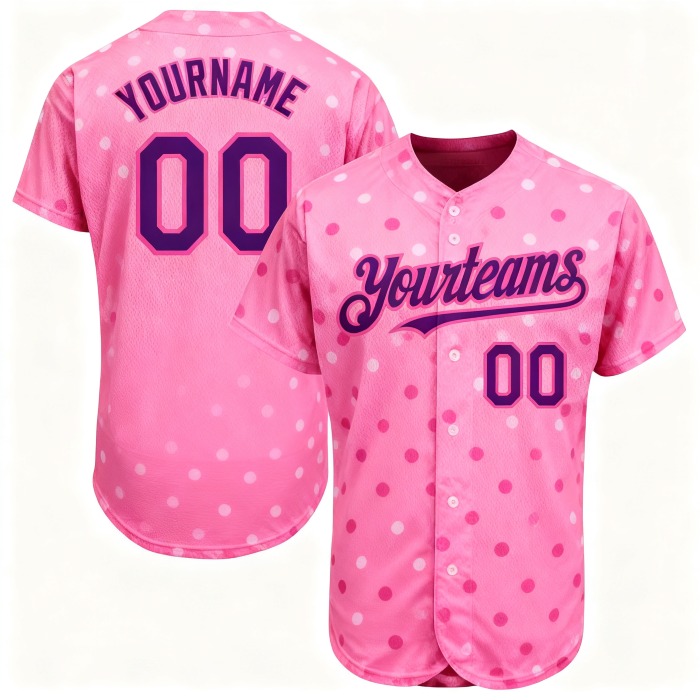
From my experience helping clients refine their orders, I’ve identified several recurring errors that inflate landed costs and cause major headaches. Avoiding these will save you money and time.
Time is money, especially in retail. A slow or unpredictable supplier can wreak havoc on your business operations. A delayed shipment means missed sales opportunities and tied-up capital.
Our daily output of over 1000+ custom jerseys allows us to offer a standard production lead time of just 7-10 days. This speed and reliability provide several advantages for your business:
When you evaluate a supplier, ask for their average production time for an order of your size. A reliable timeline is just as valuable as a competitive price. A delayed jacket with hood is a product that generates zero revenue.
Choosing the right manufacturing partner is about building a resilient supply chain. It requires looking past the unit price and analyzing the factors that truly impact your profitability. By focusing on quality, transparency, and reliability, you can protect your margins and build a stronger brand.
If you’re ready to see how a reliable supply chain can improve your bottom line, send us your design specifications. We can provide a detailed quote that accounts for quality and long-term value.






 WhatsApp
 Email
 +8618978569271