Loading
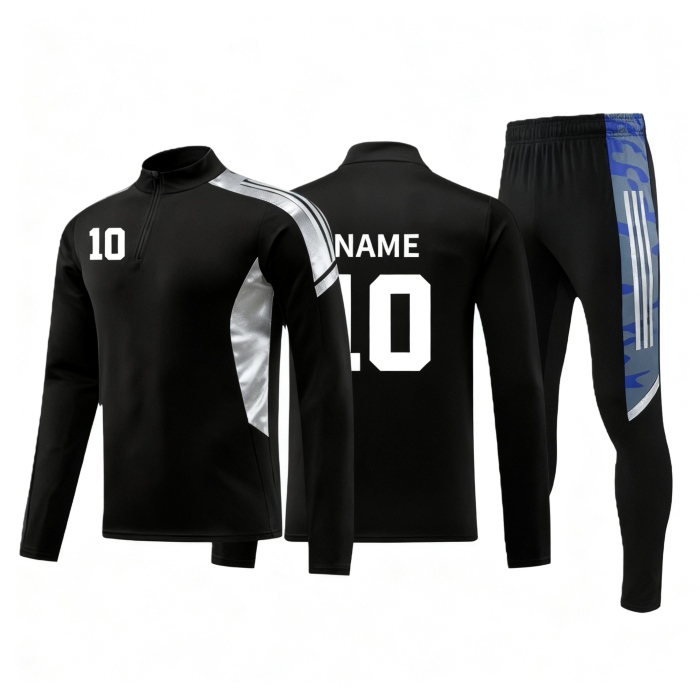
Before sending an RFQ for a Lightweight Training Slim Half-Zip, confirm the training use, fit expectation, fabric weight, decoration method, and size-chart approval process. Buyers often regret approving a sample that looks sharp on a standing model but feels tight during warm-ups, restricts arm movement, or cannot accommodate a base layer.
The starting point is not color or logo placement. It is the intended wearer activity. A fitted top for individual track warm-ups needs a different pattern approach from a club half-zip used by coaches on the sideline, players traveling to matches, and athletes layering over training shirts.
For teamwear managers, ask these questions internally before approaching a supplier:
These answers determine whether a slim pattern is appropriate and what sample feedback matters. A close-fitting half-zip can work well for active training when the pattern has enough movement room. It is a poor choice when the garment is expected to function as a loose outer layer for varied body types.
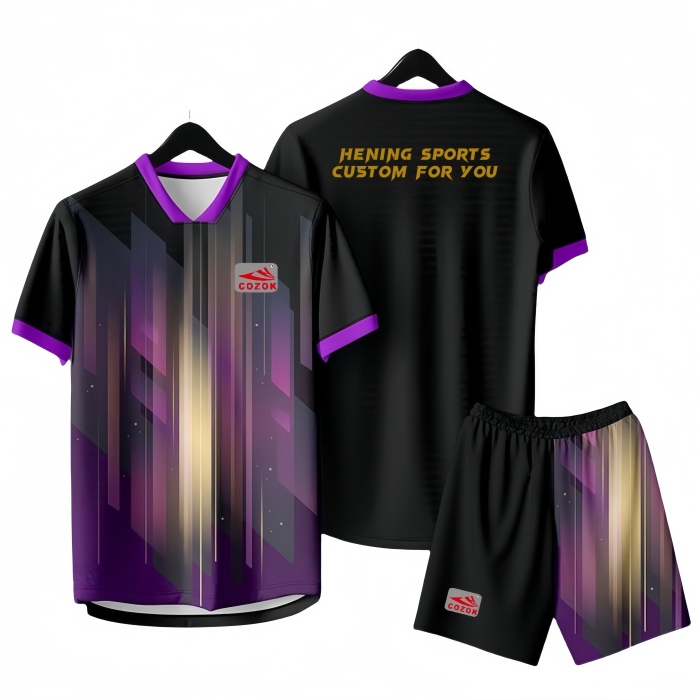
At Hening Clothing Co., Ltd., we recommend approving both a body-size chart and finished-garment measurements before bulk production. This avoids a common teamwear problem: a size label may be familiar, but the actual chest, shoulder, sleeve, or body length may differ from a buyer’s existing program.
For lightweight active training, select a fabric that manages moisture, stretches with movement, and does not feel heavy during repeated drills. Hening uses 100% polyester performance fabric with moisture-wicking and 4-way stretch properties. Our standard lightweight fabric range is 140-160 gsm, which is intended to balance breathability with usable coverage.
This range suits training tops worn during warm-ups, outdoor practice, travel between sessions, and moderate indoor activity. It may not be the right choice when buyers want a heavily insulated outer layer for cold-weather sideline use. In that case, the buyer should request a different garment category or construction rather than expecting a lightweight half-zip to provide the same warmth as a jacket.
| Buyer Requirement | Recommended Direction | Why It Fits | When It Does Not Fit |
|---|---|---|---|
| Active drills and warm-ups | 140-160 gsm moisture-wicking polyester | Provides a lightweight feel and supports movement with 4-way stretch. | Not ideal when the garment must replace a cold-weather insulated layer. |
| Club travel and casual wear | Slim or regular half-zip, depending on layering needs | Creates a coordinated team appearance while allowing custom colors and graphics. | A very close fit may be uncomfortable over bulky everyday clothing. |
| Outdoor coaching or bench use | Half-zip only if light coverage is the goal | Useful for mild conditions and short activity periods. | Choose a warmer outerwear option if prolonged cold exposure is expected. |
| Full-club apparel program | Match the half-zip with a coordinated jacket or jersey range | Helps maintain consistent colors across training and match apparel. | Do not assume every garment category will use the same pattern or fabric weight. |
If your program needs a more outerwear-oriented item, compare the half-zip request with a Custom Sport Jacket. The decision is practical: choose the lighter half-zip for active movement and controlled layering; choose a jacket when weather protection and outer-layer coverage matter more.
Fabric selection should also account for printing. Dye-sublimation is suited to polyester and allows all-over club colors, gradients, sponsor graphics, and personal details without applying a separate heavy print layer. Our locked-color dye-sublimation printing is designed to keep colors vivid wash after wash, addressing the faded-print concern that can weaken the appearance of teamwear over time.
A slim athletic cut should follow the body without pulling across the shoulders, upper back, chest, or elbows during training. It becomes restrictive when the garment is used over another substantial layer, issued to a broad range of body shapes without fit testing, or worn for movements that require greater reach and torso rotation.
Fit allowance means the extra room built into the finished garment beyond the wearer’s body size. There is no single allowance that suits every team. The right amount changes with the activity and how the half-zip will be worn. Instead of approving a label such as “medium” alone, compare the supplier’s finished-garment chart with a garment your team already accepts.
| Training Use | Recommended Fit Allowance | What to Check in the Sample | Boundary: When Slim Fit Stops Working |
|---|---|---|---|
| Running warm-ups and light fitness work | Close body fit with movement room at shoulders and arms | Raise both arms, swing the arms forward, and test the zip area while breathing deeply. | Change the pattern if the chest pulls, sleeves ride up sharply, or the hem lifts excessively during arm movement. |
| Soccer, basketball, or court warm-ups | Close athletic fit with room for dynamic movement | Test reaching, turning, passing motions, and an active warm-up routine. | Do not use an aggressively tapered torso if players report restriction across the back or when rotating. |
| Gym training and strength sessions | Moderate room through upper back, chest, and sleeves | Test overhead movement, rowing motion, and bending at the waist. | A narrow shoulder or sleeve shape is unsuitable if it limits overhead work. |
| Travel, coaching, and mixed staff wear | More room for layering and varied body shapes | Test over the shirt or jersey normally worn underneath. | A performance-slim pattern is not the best option when users need to add layers or prefer a relaxed feel. |
For example, a soccer club may want a clean, narrow silhouette for player arrivals but also expect athletes to wear training jerseys underneath. The correct sample is not the smallest possible fit. It is a fitted half-zip that still closes comfortably over the intended jersey and allows full movement. Buyers sourcing coordinated Soccer Jerseys should send the jersey specification or an approved physical reference with the half-zip brief.
Hening uses a verified size-chart process to reduce inconsistent sizing across an order. This is especially useful when a club has a mixed roster of youth, adult, staff, and supporter sizes. It does not remove the need for buyer approval. A chart must still be checked against your market, intended layer, and preferred silhouette before production begins.
A usable technical brief prevents slow sampling and unclear revisions. The best brief gives the supplier an objective standard for fit and appearance rather than relying only on phrases such as “modern,” “premium,” or “not too tight.”
Include the following information with your sample request:
For a broader club program, color consistency should be planned across categories from the beginning. Buyers can pair the half-zip with Custom Team Jerseys or sport-specific items such as Basketball Jerseys. Send all relevant artwork together when color matching across garments matters.
The most expensive mistakes usually happen before production, not during it. They come from approving an attractive mock-up without setting measurable fit and use requirements.
Hening offers free reprints for printing defects or wrong sizes, along with a 1-year colorfastness guarantee. These terms address production-related risks, but they do not replace correct buyer-side approval of artwork, garment measurements, and final sizing requirements.
You do not need to meet a minimum order quantity to start a half-zip project with Hening, although pricing is based on quantity. This is useful for smaller clubs, trial programs, staff apparel, and replacement orders. Larger quantities may offer a different unit-cost structure, so submit an estimated size breakdown even when final quantities are still being confirmed.
Our standard production period is 7-10 days, with rush options available when schedules require faster handling. The applicable timing still depends on the final artwork approval, order details, production scheduling, and shipment arrangement. A rush request should be raised at the RFQ stage rather than after the sample and artwork approvals are delayed.
Capacity also matters when buyers are planning a launch date. Hening operates with more than 100 workers, five automatic dye-sublimation printing lines, and daily output exceeding 1000 custom jerseys. Our facility follows ISO 9001 quality management system certification and ISO 14001 environmental management system certification. These are relevant production controls, but buyers should still allow time for sample approval when a new fit block is being developed.
Our completed projects include supplying more than 500 sublimated jerseys for a United States high school basketball league, producing full custom uniforms for an Australian soccer club’s three teams, and delivering 1000 event jerseys for a European marathon. These examples show experience with team and event apparel at different order scales. They should not be treated as a promise that every product type, artwork program, or delivery schedule will follow the same order conditions.
Approve bulk production only after the supplier and buyer agree on the points below. This checklist is particularly useful when the half-zip is part of a wider club kit rather than a stand-alone item.
A well-chosen Lightweight Training Slim Half-Zip should look fitted without forcing athletes to choose between appearance and movement. The right result comes from matching the silhouette to the activity, validating the garment chart, and testing the sample with the clothing users will actually wear underneath.
Send your artwork, target quantity, and an approved reference garment or measurement chart to request a half-zip sample and quotation.






 WhatsApp
 Email
 +8618978569271