Loading
A Minimalist Custom Baseball Shirt can look easy to source: one base color, a small chest mark, player names, and perhaps a sleeve detail. Yet simple layouts leave very little room for production errors. A logo placed too high, a mismatched shade, a poorly sized name, or an inconsistent garment fit is immediately visible when there are few other design elements competing for attention.
For team buyers, apparel brands, and event organizers, the first task is not choosing a trendy layout. It is turning the visual idea into a quote-ready specification that different suppliers can price against the same requirements. Without that detail, one quote may cover full dye-sublimation, another may assume a plain blank with added decoration, and a third may exclude individual names or number files.
At Hening Clothing Co., Ltd., we support custom sportswear orders from a 1,000 sqm factory in Guangzhou, China. Our facility has more than 100 workers and five automatic dye-sublimation printing lines, with daily output of 1,000+ custom jerseys. This production scope is relevant when a buyer needs consistent artwork across a club roster, retail release, or event order rather than a one-off decorated blank.
The practical buying question is: what must be fixed before requesting prices? Start with the intended use, decoration coverage, fabric requirement, size range, artwork ownership, and delivery date. Then ask suppliers to state what is included and what remains subject to approval.
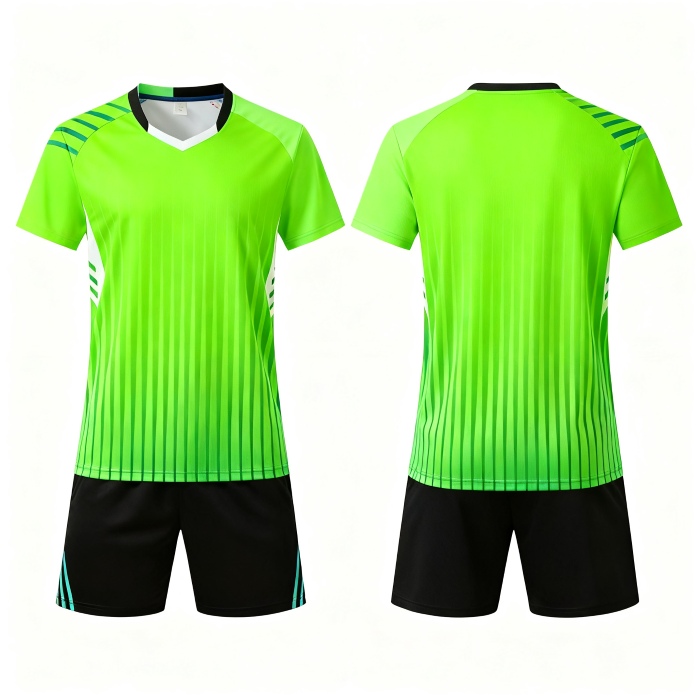
A minimalist baseball shirt should be specified according to where and how it will be worn. The right choice for a casual merchandise drop is not automatically the right choice for an active team uniform. This distinction affects fabric, fit expectations, personalization, and the decoration method that makes commercial sense.
| Buyer scenario | Recommended specification focus | Why it fits | When it may not fit |
|---|---|---|---|
| Baseball team uniform | Player names, numbers, verified size chart, breathable performance fabric | Each garment must identify the wearer and fit consistently across the roster. | A promotional giveaway may not need individual personalization. |
| Event or tournament shirt | Clear event mark, date or sponsor placement, broad size plan | Simple artwork can keep the event identity readable from a distance. | Do not add variable names unless the event budget and data collection process support them. |
| Retail or club merchandise | Brand placement, repeatable color standard, size range, garment presentation | A restrained design makes the brand mark and garment silhouette more prominent. | A fashion-led product may require details outside a standard team-uniform specification. |
| Training apparel | Moisture management, movement, and durable printed color | Wearers need a shirt that performs during activity, not only in photos. | If the garment is purely ceremonial, performance fabric may not be the deciding factor. |
For active use, state the material requirement directly. Hening’s custom jerseys use 100% polyester with moisture-wicking and 4-way stretch properties. The stated fabric weight is 140–160 gsm, selected for breathability. This is a relevant option for teams that want a light performance shirt. It is not a substitute for confirming a preferred cut, body length, neckline, sleeve shape, or color expectation.
Buyers comparing sports categories can also review our Baseball Jerseys range alongside Custom Team Jerseys. The useful question is not whether two garments share a sport label, but whether they share the same wear conditions and decoration requirements.
Low-decoration artwork does not mean that every production route is equal. A white shirt with a small navy chest logo may appear straightforward, but the buyer still needs to decide whether the design should be integrated into the garment print, added to a finished blank, or held for a different product construction. Ask each supplier to identify the assumed method rather than comparing a single total price without context.
For Hening’s custom jersey offering, fade-resistant dye-sublimation printing is the documented decoration strength. Locked-color inks are used to address a common team concern: prints that look faded after washing. We also provide a one-year colorfastness guarantee. This makes sublimation a strong match where the buyer wants colored artwork, names, numbers, stripes, or an all-over design incorporated into a polyester performance shirt.
| Layout type | Best quote questions | Relevant Hening capability | Limit to confirm |
|---|---|---|---|
| Small chest logo with plain body | Is the logo sublimated into the fabric? Is the base color printed or supplied as a standard fabric color? | Dye-sublimation printing for custom jersey artwork | Confirm logo size, position, and color file before production. |
| Two-color chest wordmark and sleeve detail | Are sleeve marks included? Are front and sleeve placement files required separately? | Five automatic dye-sublimation printing lines support custom jersey production | Small elements still need legible source artwork. |
| Individual names and numbers | Are variable names and numbers included in the quote? What roster format is required? | Custom jersey production for team needs | Verify spelling, number assignment, and size selection before approval. |
| Clean retail-style shirt with no player data | Can the supplier support the desired order quantity without a minimum order barrier? | No MOQ; pricing is based on quantity | Lower quantities may have different unit pricing, so request quantity breaks. |
The conclusion is simple: match the method to the artwork and intended wear, not to the assumption that “minimal” must be the lowest-cost option. Sublimation is especially suitable when the design may later add names, numbers, side panels, or sponsor details without changing the overall visual style. It may be less relevant if your specification requires a fabric or decoration process outside the supplier’s stated polyester sublimation scope.
No MOQ is useful for small clubs, staff groups, prototype runs, and replacement-player orders. However, it does not mean that every quantity has the same unit price. Hening prices by quantity, so an RFQ should list the quantities you want compared, such as the current roster requirement and a possible reorder quantity. Do not ask only for “your best price.” Ask for a price at each stated quantity with the same artwork scope.
A reference image communicates style. It rarely communicates enough for an accurate quotation or controlled production. A buyer should submit a structured requirement sheet that removes avoidable interpretation. This is particularly important for an uncluttered baseball design because suppliers cannot reliably infer whether an apparent detail is print, trim, embroidery, or simply a visual mockup effect.
Ask for a verified size chart rather than relying on a previous supplier’s sizing labels. Inconsistent sizing is a common cause of avoidable team complaints, and Hening uses a verified size chart to reduce that risk. This does not eliminate the buyer’s responsibility to collect correct measurements and select sizes. It means the supplier can provide a defined reference point for the order.
For a club that needs other coordinated garments, compare the baseball shirt specification with a Custom Sport Jacket or Custom Casual Wear requirement separately. Do not assume a jersey color file automatically produces the same visual result across different fabric types and garment categories.
A first sample order is partly a product evaluation and partly a supplier evaluation. Look for documented facts that relate directly to your risk: print durability, sizing control, output capacity, quality management, and realistic delivery conditions.
Hening operates under ISO 9001 quality management system certification and ISO 14001 environmental management system certification. For a buyer, these certifications are relevant indicators to request supporting order documentation and quality expectations. They do not remove the need to agree on artwork approval, size allocation, packing requirements, or the acceptance standard for the specific order.
Production capacity matters when an order includes many individual variants. Our five automatic dye-sublimation printing lines and output of 1,000+ custom jerseys per day show that the facility is set up for custom jersey production at scale. Hening’s standard production period is 7–10 days, with rush order options available. This timing should be treated as a production reference, not as a blanket arrival-date promise. Freight method, final artwork approval, order complexity, and destination still need to be agreed.
These examples help qualify scope. They should not be converted into promises that every order follows the same quantity, schedule, or product format.
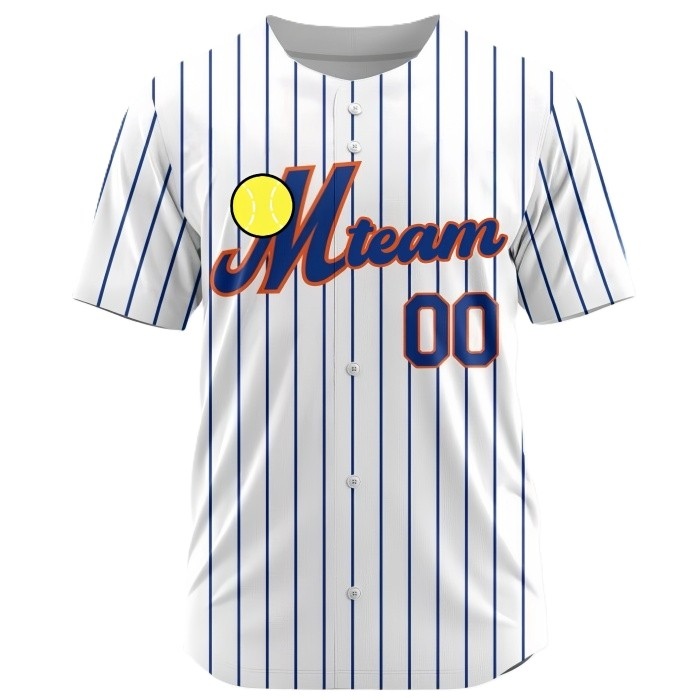
Simple shirts reward discipline. The following mistakes cause more trouble because there is little visual detail available to hide them.
The best fit for Hening is a buyer seeking custom polyester sportswear with dye-sublimated artwork, flexible order quantities, and a documented approach to colorfastness and sizing. It may not be the right fit if the requirement depends on an unstated fabric composition, an unconfirmed decoration process, or a delivery commitment that has not been checked against the final specification.
Before contacting suppliers, reduce the brief to a short decision sheet. This protects your budget and makes competing responses easier to compare.
A well-defined brief makes it easier to determine whether a Minimalist Custom Baseball Shirt will remain visually clean after the practical details of sizing, personalization, and production are added.
Send us your artwork, size breakdown, quantity options, and required arrival date for a focused quote and supplier-fit review.






 WhatsApp
 Email
 +8618978569271