Loading
Launching a new apparel line is a balancing act. You need enough variety to create a compelling collection, but ordering deep inventory on unproven designs is a significant financial risk. This is the single biggest challenge I see new brands and retailers face when sourcing Custom Casual Wear. Many manufacturers impose high Minimum Order Quantities (MOQs), forcing you to commit to hundreds of units per design, color, and size. This can drain your budget and leave you with dead stock if a particular style doesn’t sell.
The alternative is to partner with a supplier who understands this challenge. At Hening Clothing, we’ve structured our production to eliminate this barrier entirely. We have no MOQ. This means you can order the exact quantity you need to test the market, whether it’s for a small pop-up shop or an initial online drop. You can launch a capsule with multiple designs and colorways without the risk of over-ordering. This flexibility is a strategic advantage, allowing you to gather real-world sales data before committing to a larger production run.
This approach is possible because of our vertically integrated process. With a 1000 sqm factory in Guangzhou and 5 automatic dye-sublimation printing lines, our workflow is optimized for flexibility and speed, not just bulk volume. We can produce a small batch for a new brand with the same efficiency as the 500+ sublimated jerseys we supplied for a US high school basketball league.
Before you send out a single Request for Quotation (RFQ), you need a clear plan that aligns your product vision with manufacturing realities. A high MOQ can instantly disqualify a supplier, while a flexible one opens up creative possibilities. Use this checklist to define your requirements and evaluate potential partners. This is the exact process I walk our new private-label clients through.
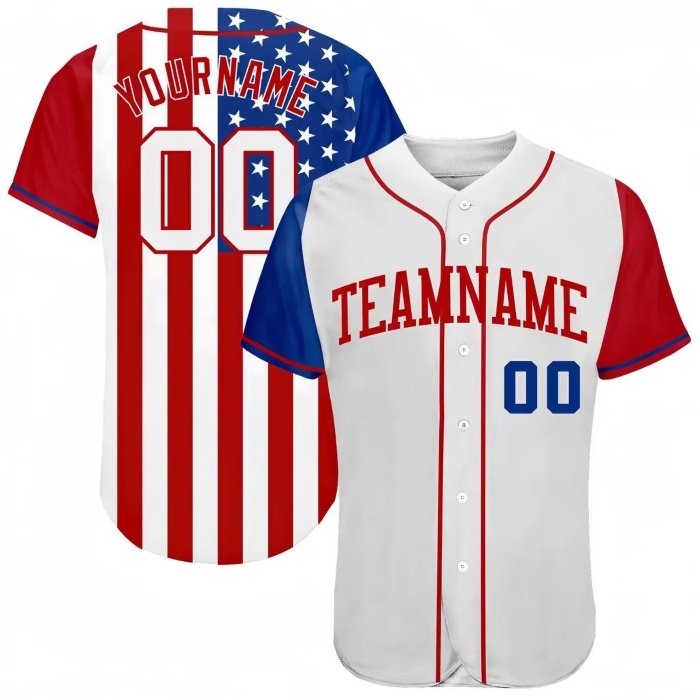
Not all custom apparel is created equal. For a retail brand, the small details in fabric and construction are what create perceived value and earn customer loyalty. When evaluating suppliers, move beyond price and scrutinize the technical specifications. These are the non-negotiables I’ve identified after a decade on the factory floor.
The foundation of any good garment is the material. For active and casual wear, customers expect comfort and performance. Look for:
A great design can be ruined by poor printing. Fading, cracking, and peeling are common complaints that lead to returns and damage brand reputation. This is where dye-sublimation excels, but only when done correctly.
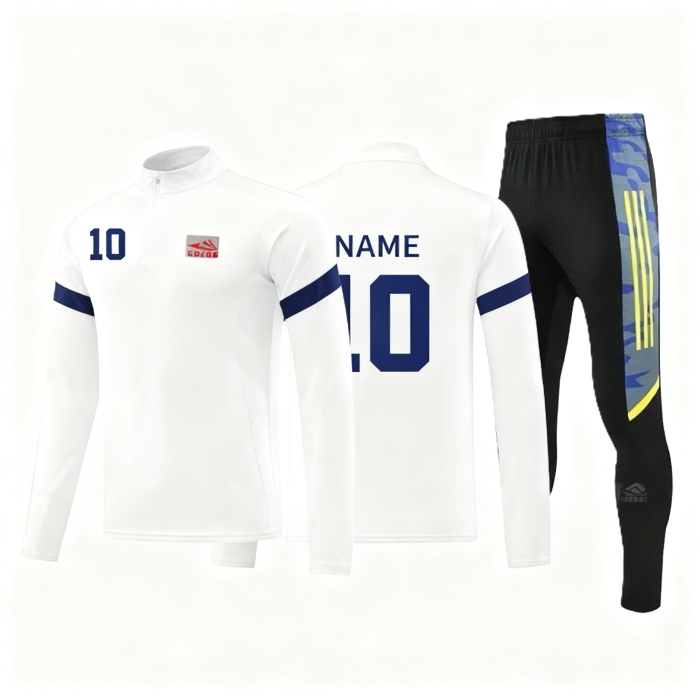
Sourcing apparel can be complex, and a few early missteps can jeopardize your launch. Here are the most frequent mistakes I see retail buyers make, along with practical ways to prevent them.
| The Mistake | The Consequence | How to Avoid It |
|---|---|---|
| Ignoring Production Lead Times | Your product arrives after your planned launch date, missing seasonal sales windows and marketing pushes. | Get a confirmed production timeline before placing your order. Partner with a supplier who offers reliable turnarounds. Our standard production is 7-10 days, with rush options available for urgent deadlines. |
| Assuming All Sublimation is Fade-Proof | Your customers complain that their new t-shirts faded after a few washes, leading to negative reviews and returns. | Specifically ask about the inks used and if there is a colorfastness guarantee. We use specialized locked-color inks and back our products with a formal 1-year guarantee against fading. |
| Not Accounting for a Full Assortment | You only source t-shirts, but your customers want a complete look. You then have to find another supplier for items like jackets, creating brand inconsistency. | Find a partner who can grow with you. While you might start with tees, check if they can also produce other items. We regularly produce full custom uniforms, including Custom Sport Jacket options, for clients like the Australian soccer club we outfitted. |
| Failing to Verify Quality Systems | You experience inconsistent quality from one order to the next because the supplier has no standardized processes. | Ask for proof of quality management. Certifications like ISO 9001 (quality management) and ISO 14001 (environmental management), both of which our facility holds, demonstrate a commitment to reliable and responsible production. |
By anticipating these issues, you can build a more resilient supply chain. This proactive approach is exactly what allowed us to successfully deliver 1000 event jerseys for a major European marathon—the organizers knew our processes were built to handle volume, quality control, and deadlines without compromise.
Ready to build your next retail capsule without the risk of high MOQs? Send us your designs and let’s discuss how we can bring your collection to life.






 WhatsApp
 Email
 +8618978569271