Loading
You’ve received a quotation for a lightweight track custom jacket that looks good on paper. But the real risk isn’t in the price—it’s in the potential for faded logos, inconsistent sizing, and late deliveries that can ruin your project. Before you sign a purchase order, you need a clear process to verify that your supplier can deliver a product that performs as promised.
As a sportswear production specialist with 10 years of experience on the factory floor, I’ve seen firsthand what separates a reliable manufacturer from one that causes problems. Many teams and brands struggle with common issues like dye-sublimated colors bleeding after a few washes or zippers that snag and break. These are preventable failures. The key is to ask the right questions and demand specific evidence before committing to a bulk run. This guide outlines the practical steps for vetting a supplier to ensure your custom jackets meet your standards.
The look of a jacket matters, but its performance starts with the material. For athletic and team wear, the fabric must be functional, durable, and comfortable. Don’t just accept “polyester” on a spec sheet; dig deeper into the specifics.
For most athletic applications, a 100% polyester fabric is standard due to its durability and moisture-management properties. However, not all polyesters are created equal. Here are the technical details to verify:
At our facility, we standardize on 140-160 gsm, 4-way stretch polyester for our Custom Sport Jacket orders precisely because it hits this balance of breathability and durability. It’s a proven choice for everything from team warm-ups to corporate event apparel.
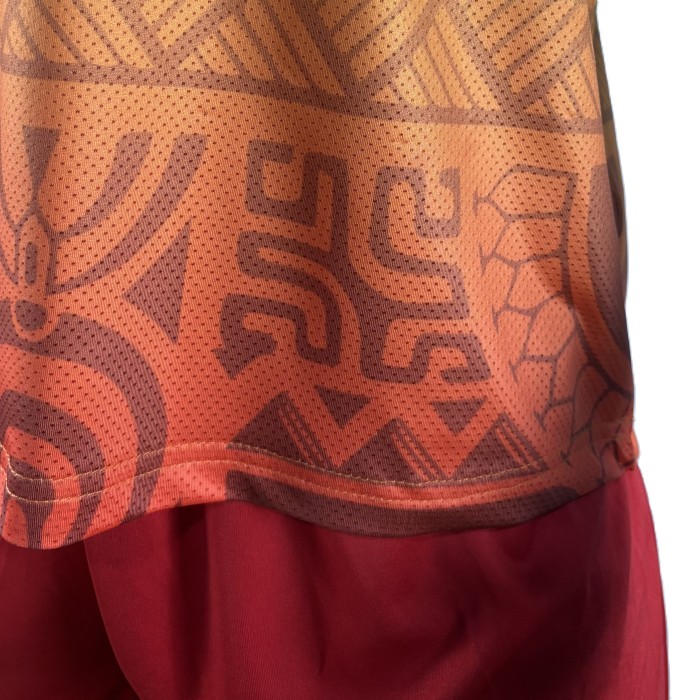
Beyond the fabric, examine the construction details that signal a well-made garment:
A physical sample is your single best tool for risk mitigation. It allows you to move beyond spec sheets and evaluate real-world quality. However, simply looking at a sample isn’t enough. You need to perform a few simple, practical tests to reveal potential issues that only appear after use. From my experience, these three tests are non-negotiable for any custom outerwear order.
This systematic testing exposes weaknesses that are easy to hide in a perfect “golden sample” but become major headaches across a bulk order of hundreds or thousands of units.
| Test | How to Perform It | What It Reveals | Supplier Red Flag |
|---|---|---|---|
| Fabric Stretch & Recovery | Gently but firmly pull the fabric along its width and length. Then, pull it diagonally. Release it and observe if it snaps back to its original shape instantly without any sagging or distortion. | This verifies true 4-way stretch and, more importantly, the fabric’s recovery. Poor recovery means the jacket will lose its shape, especially at the elbows and shoulders, after just a few wears. | The fabric feels stiff, only stretches in one direction, or remains slightly stretched out after you let go. |
| Print Adhesion & Colorfastness | Aggressively machine wash the sample with other clothes (inside-out) at least 3-5 times. For a quicker test, vigorously rub a white, damp cloth over a brightly colored, sublimated area for 30 seconds. | This simulates long-term wear and washing. It exposes inks that are not properly heat-set, which will lead to fading, cracking, or color bleeding. Our locked-color inks and 1-year colorfastness guarantee are designed to prevent this exact issue. | You notice any visible fading or color transfer onto the white cloth. The print feels rough or looks cracked after washing. |
| Zipper-Cycle Test | Rapidly zip and unzip the main zipper 20-30 times in a row. Pay attention to any snagging, sticking, or difficulty in starting the zipper. Check if the zipper pull feels flimsy or bends easily. | This stress test identifies low-quality zippers that are likely to fail in the field. A smooth, reliable zipper is a hallmark of a quality garment; a sticky one is a sign of cost-cutting on essential components. | The zipper catches on the fabric, requires force to move, or the teeth misalign. The pull feels weak or cheap. |
Once you’ve confirmed the product specifications, your focus should shift to the supplier’s operational reliability. A great sample from a disorganized factory can quickly turn into a bulk order disaster. You need evidence that they have the capacity, processes, and quality control to handle your order consistently.
Use this checklist to structure your questions and assess a potential manufacturing partner:
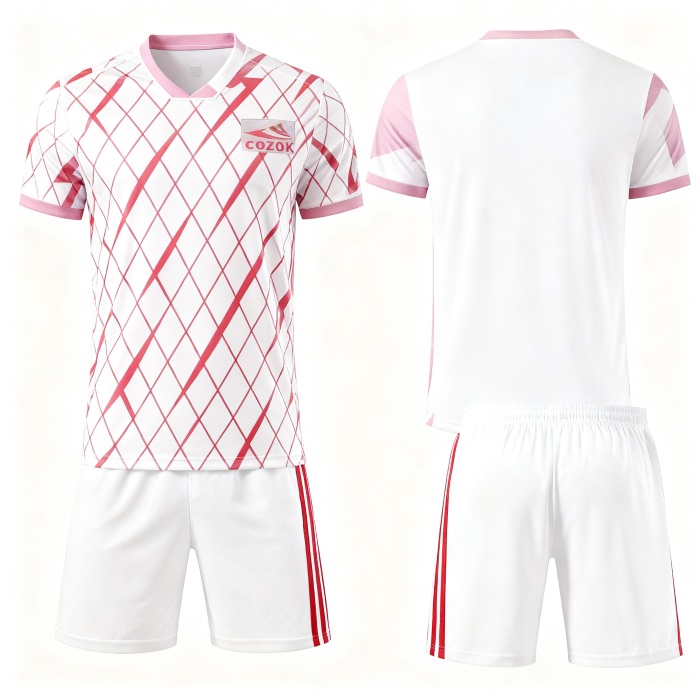
The final piece of your verification puzzle involves the commercial terms. These policies directly impact your budget, timeline, and recourse if something goes wrong.
Many suppliers enforce high MOQs, making it difficult for smaller clubs, teams, or businesses to place orders. This is a critical first question. We operate with no MOQ. Whether you need five jackets for a small team or 500 for a large event, the pricing is simply based on quantity. This flexibility is perfect for organizations that don’t want to hold excess inventory.
Be clear on the timeline from artwork approval to shipment. What is the standard production time, and are rush options available? A transparent supplier will give you a clear schedule.
This reliable speed allowed us to successfully deliver full sets of Custom Team Jerseys and jackets for clients like sports retailers in New Zealand and running clubs in Zimbabwe on tight event schedules.
What happens if there’s a problem? A confident manufacturer stands behind their work with a clear policy. Before ordering, understand their stance on:
Verifying a supplier for a lightweight track custom jacket order is about more than just a price. By systematically checking the fabric, testing a sample, assessing production capabilities, and clarifying commercial terms, you can build a reliable partnership and ensure you receive a product that your team or brand will be proud to wear.
If you’re looking for a partner who can meet these standards, send our team your design. We’d be happy to provide a quote and a production plan for your review.






 WhatsApp
 Email
 +8618978569271