Loading
A clean design leaves nowhere to hide. On a Minimalist Custom Baseball Shirt, a slightly uneven collar, a logo shifted off center, or a shade difference between panels is immediately visible. Buyers who approve a sample based only on a front-view photo often discover these problems after the bulk order has already been printed.
The right question is not simply whether the sample “looks good.” A purchasing manager should ask whether the sample proves that the supplier can repeat the approved design, material choice, sizing, and print appearance across the required order quantity. This matters for club uniforms, school teams, promotional apparel, and retail programs where a simple shirt must look consistent from one player to the next.
Hening Clothing Co., Ltd. supports custom teamwear orders with no MOQ requirement, although unit pricing is based on quantity. That can suit a small club ordering a short run as well as a larger buyer that needs a pre-production reference before confirming a larger quantity. Our stated standard production period is 7–10 days, with rush options available, but sample approval time, artwork readiness, and the buyer’s acceptance rules still need to be agreed before any delivery date is treated as final.
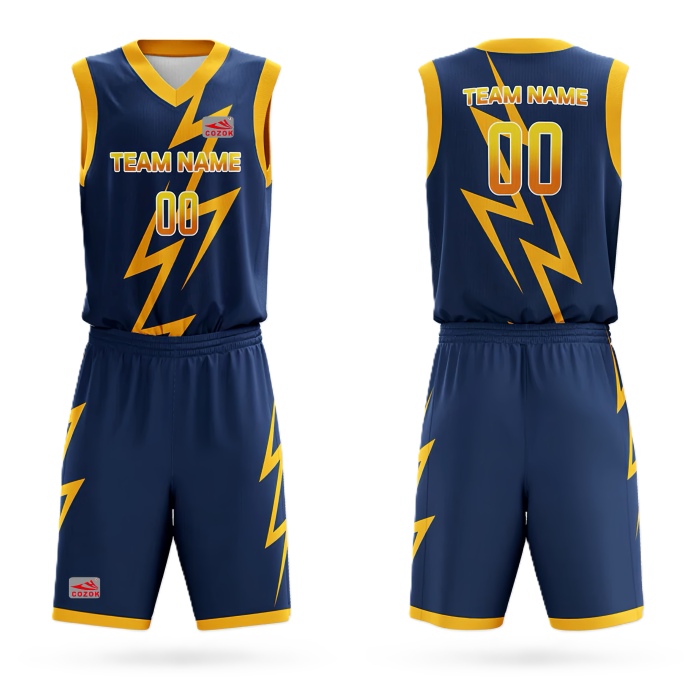
For a minimalist baseball program, the supplier should be assessed on repeatability rather than on how many decorative effects they can show. A design with a single chest logo, limited colors, and clean panel lines puts attention on construction and placement. Choose a supplier that can document the sample specification and has production capacity suited to your order, but do not assume that a good-looking single sample automatically proves bulk consistency.
Hening Clothing Co., Ltd. states that it has a 1,000 sqm factory in Guangzhou, China, more than 100 workers, and five automatic dye-sublimation printing lines. The stated daily output is more than 1,000 custom jerseys. These figures are relevant when a buyer needs a supplier capable of producing team apparel at scale. They do not replace sample checks, because capacity alone does not define collar appearance, artwork position, or the acceptable feel of a finished print.
For baseball-specific product comparison, buyers can also review our Baseball Jerseys range alongside other Custom Team Jerseys. Use those product references to identify the style direction, then put the chosen neckline, button or non-button format, logo position, and color references into the sample request.
| Buyer requirement | What to verify before approval | Why it matters on a minimalist design | When this is less relevant |
|---|---|---|---|
| Clean single-logo front | Check logo centerline, distance from placket or side seam, and whether the artwork is level. | There are few other visual elements to distract from a misplaced logo. | A full all-over graphic can make small placement differences less noticeable, though placement should still be checked. |
| Consistent team color | Compare body, sleeve, collar, and any trim under the same viewing conditions. | Even a small color shift is visible where large plain areas meet. | Multi-color artwork may require a more detailed color review rather than a simple panel-to-panel comparison. |
| Uniform team fit | Match the sample against the supplied size chart and record the approved size reference. | A neat design can still look unprofessional if shirts fit inconsistently across the roster. | Fashion-led oversized styles may allow more fit variation, but the intended silhouette should still be stated. |
| Repeat bulk order potential | Keep the approved artwork file, size chart, fabric description, and sample photos together. | Reorders can drift if the original approval standard is not retained. | A one-time event order may not need reorder documentation, but it still needs clear bulk acceptance criteria. |
Use the following checklist on a clean design before releasing a bulk purchase order. It is a buyer acceptance framework, not a claim that every supplier performs laboratory testing or follows the same internal inspection process. Send the completed checklist back to the supplier with photos and written comments if changes are required.
| Sample check | How to inspect it | Approval standard to define | Why the check matters |
|---|---|---|---|
| Collar shape | Lay the shirt flat on a clean surface. View the collar from the front and compare both sides. Put the garment on a wearer or dress form if available to see whether it sits evenly. | State the requested collar type, whether a button-front opening is required, and whether the collar must lie flat when worn. | A collar that twists, rolls, or sits unevenly can make an otherwise plain baseball shirt look poorly finished. |
| Color consistency | Compare all visible panels side by side under the same lighting. Check body fabric, sleeves, collar, trim, and printed logo together rather than separately. | Identify the approved color reference, artwork version, and whether matching across all panels is required. | Minimalist layouts often use broad blocks of one color, making shade variation more obvious than on dense graphics. |
| Logo alignment | Place the shirt flat and identify the garment centerline. Check whether the logo is level and positioned as specified relative to the placket, neckline, or chest area. | Provide a placement drawing or marked artwork showing the intended logo location and orientation. | On a single-logo shirt, a small visual shift can become the first thing a player, sponsor, or parent notices. |
| Print hand feel | Run a hand across printed and unprinted areas. Bend the fabric gently and assess whether the print changes the feel more than the buyer accepts. | Define the desired finish in plain terms: smooth, light, soft, or another agreed description. Retain the approved sample as the reference. | Hand feel is subjective. A written description and physical sample prevent one party from relying on a different expectation. |
| Wash durability | Wash the sample using an agreed care method, then compare logo edges, color appearance, collar shape, and overall surface appearance with pre-wash photos. | Agree the wash method, what visual changes are unacceptable, and whether the post-wash sample needs buyer sign-off. | Hening states that it uses fade-resistant dye-sublimation printing and offers a one-year colorfastness guarantee, but the exact approved design and care conditions should still be documented. |
The best use of this checklist is a plain, controlled comparison. Photograph the sample before and after washing in the same place where possible. Record the sample date, garment size, artwork version, and any change request. Do not approve based on a heavily filtered image, a mock-up, or a supplier photo that does not show the collar and logo area clearly.
For buyers selecting a polyester performance garment, Hening states that its custom jerseys use 100% polyester moisture-wicking, four-way-stretch fabric at 140–160 gsm. This can be a suitable starting point for active baseball apparel where breathability and movement matter. It does not mean every buyer should approve the material without handling a sample; a lifestyle merchandise program may place more weight on drape and hand feel than a competitive team does.
A controlled approval path protects both buyer and supplier. The goal is to make the bulk order refer back to a defined standard rather than to a memory of a conversation. The procedure below is suitable for teams, distributors, and event buyers who have already shortlisted a manufacturer.
This process is especially useful when several people influence the purchase. For example, a school athletic director may approve branding, a coach may approve the fit, and an administrator may approve the order quantity. One consolidated approval document avoids conflicting instructions. For a very small replacement order, a full new sample may not be necessary if the buyer can reference a previously approved physical garment and unchanged artwork. That decision depends on whether fabric, sizing, colors, or design details have changed.
Evidence should be relevant to the program you are buying. A supplier’s case history does not prove that every future order will have the same result, but it can show that the supplier has handled related order types and quantities.
Quality-management evidence also matters. Hening states that it holds ISO 9001 quality management system certification and ISO 14001 environmental management system certification. These certifications can support supplier qualification, but they should not be treated as a substitute for product-specific acceptance requirements. Ask for the sample, document the design requirements, and retain the approved reference.
The sample is only useful when the commercial and responsibility boundaries are clear. Hening offers no MOQ, which can help a small club, a pilot order, or a replacement-shirt requirement. Pricing is quantity-based, so buyers should request pricing against the actual size breakdown and total quantity rather than assuming that a low-volume sample price represents the bulk unit price.
| Term to confirm | What the buyer should state | Why it should not be left open |
|---|---|---|
| Quantity and size mix | Total units, adult and youth sizes if applicable, and final size breakdown. | Pricing is based on quantity, and size information is needed to compare the sample with the order requirement. |
| Artwork version | The final file name and approval date. | Multiple logo files or late edits can lead to the wrong design being treated as current. |
| Acceptance reference | Physical sample, photos, marked artwork, or a combination of these. | Each reference has limits. A photo may not show hand feel or collar behavior. |
| Defect and size remedy | How the buyer will report a printing defect or wrong size, with supporting photos and order information. | Hening states that it provides a free reprint for printing defects or wrong sizes; the order should still identify the approved size chart and design reference. |
| Color expectation | Approved artwork and care requirements, including any post-wash review requested. | Hening’s one-year colorfastness guarantee addresses colorfastness, while artwork approval still governs whether the correct color and design were produced. |
For a buyer that needs a clean, repeatable team shirt, Hening may fit the requirement where no MOQ, polyester performance fabric, dye-sublimation printing, and stated 7–10 day standard production are relevant. The remaining qualification work is product-specific: confirm the baseball shirt pattern, inspect the actual sample, define acceptance standards, and document the final release.
Send your artwork, size breakdown, and sample checklist to request a quote and confirm whether the proposed baseball shirt can meet your approval standard.






 WhatsApp
 Email
 +8618978569271