Loading
Before you approve a sample, the biggest sourcing risk is assuming that a good-looking photo means the bulk order will match. It does not. A photo rarely confirms fit, logo position, number clarity, stitching method, or how colors appear under different lighting. Buyers ordering Pro Custom Game Basketball Uniforms should treat sample approval as the final control point before fabric is printed and garments are assembled.
The right approval process protects teams, schools, clubs, retailers, and event organizers from expensive corrections after production starts. It also gives the supplier a written reference for the exact version that may enter bulk production. At Hening Clothing Co., Ltd, standard production is listed at 7 to 10 days, with rush options available. That timing makes early, complete approval especially important: changes raised after approval can affect the production plan.
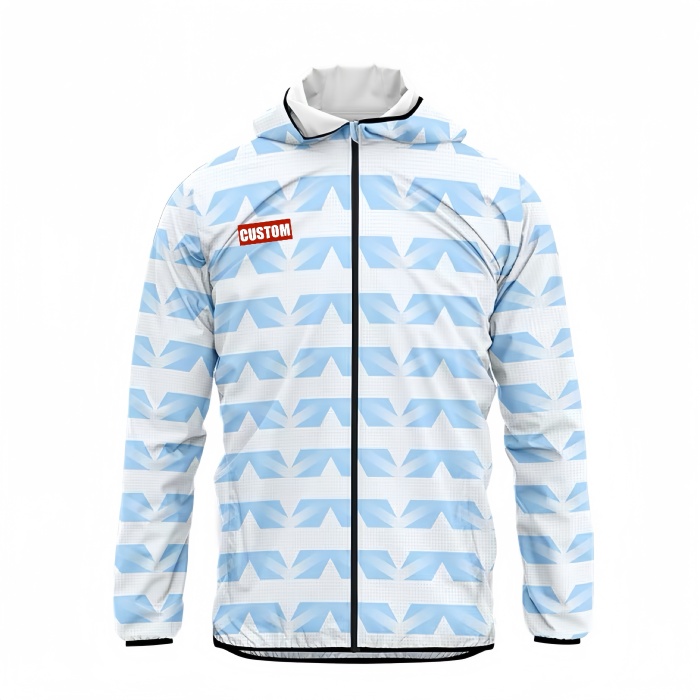
Approve a complete physical or clearly documented sample, not only a digital mockup. A mockup is useful for artwork direction, but it cannot fully show fabric hand feel, drape, garment balance, stitching, or how a printed number reads at playing distance. This approach fits any order where consistency matters across several player sizes. It may not be necessary to make a separate physical sample for every size, but the size range still needs written confirmation before cutting begins.
Your approval package should contain the following items in one dated record:
This checklist is particularly useful for league managers collecting approvals from coaches, sponsors, and school administrators. It is less relevant for a repeat order with an unchanged approved master, although the buyer should still recheck roster names, numbers, and current size allocations.
For buyers comparing garment formats, our Basketball Jerseys range can help define the preferred jersey and shorts style before artwork approval. If the same club is coordinating multiple sports, the approval method should be shared with the buyer managing Custom Team Jerseys as well.
The best boundary is one that can be checked against the approved sample and written artwork, rather than a vague instruction such as “make it close.” Buyers should identify what must match exactly, what may show normal production variation, and what requires a new approval. This is the practical way to prevent sample-to-bulk production mistakes.
| Approval item | What the buyer should approve | What may vary or require clarification | Bulk production boundary |
|---|---|---|---|
| Color variance | Approve the physical sample or approved print reference under normal indoor light and daylight. | Screen images, phone displays, and different lighting can make the same printed color appear different. | Bulk fabric should follow the approved print reference. If color matching to a separate physical item is required, provide that item before approval and request written confirmation. |
| Logo placement tolerance | Approve the logo position against fixed garment landmarks, such as collar edge, center line, side seam, or number block. | A logo position described only as “upper chest” is open to interpretation. | Mark locations on the approved artwork and sample view. Any placement change after approval should be treated as a new artwork revision. |
| Number readability | Approve number font, contrast, outline, front and back placement, and visibility against the base pattern. | Small artwork previews may hide a low-contrast number or a pattern crossing the digit. | Require the number to remain readable on the approved production artwork. If a pattern overlaps a number, approve that overlap visually before printing. |
| Seam construction | Approve collar shape, armhole finish, side seam route, hem finish, shorts waistband, and panel joins. | A flat artwork file cannot prove the finished seam appearance. | Bulk garments should follow the approved construction sample. A material or construction substitution needs buyer confirmation before production. |
| Fit changes | Approve the size chart used, sample size, intended fit, and player allocation list. | A sample worn by one person does not confirm fit for every player body type. | Changes to length, width, arm opening, shorts length, or waistband after signoff must be recorded as a revised specification before cutting. |
The table does not create a universal numeric tolerance because acceptable placement and color limits depend on the artwork, garment size, and buyer standard. A youth jersey and an adult jersey cannot always use the same visual reference point. The practical limit is this: if the buyer would reject the difference on receipt, it must be specified and approved before the bulk run.
For color-sensitive orders, do not approve from a compressed messaging-app image alone. Ask for photos of the actual sample in more than one lighting condition, then retain the approved physical reference where possible. Hening uses fade-resistant dye sublimation printing and offers a one-year colorfastness guarantee, but this guarantee does not replace the buyer’s responsibility to approve the selected design colors before printing.
Check artwork in layers, beginning with information that cannot be corrected by a player after delivery. Names, numbers, sponsor marks, team identity, and required league marks should be reviewed before discussing minor design preference. This method is suited to competition uniforms, school programs, and sponsored events. It is less demanding for a simple practice top with no names or external branding.
A common mistake is approving a logo because it is technically present, without confirming whether it remains recognizable from the stands. Another is allowing the team name, front number, and sponsor mark to compete for the same chest area. The supplier can print the submitted design, but the buyer owns the decision on brand hierarchy and league compliance.
No. A screen should be used to review layout, not as the sole color standard. Display settings, brightness, and ambient light affect what the buyer sees. The appropriate scenario for screen approval is an early design discussion. It does not apply when a buyer must match existing uniforms, a school color reference, or sponsor branding closely.
For a controlled decision, provide the supplier with the approved color reference or physical benchmark before sample production, then approve the printed result from the sample. If the artwork contains gradients, texture effects, or dark-on-dark details, request a larger proof view rather than relying on a small thumbnail.
Approve the measurement basis and the roster allocation separately. A size chart explains the garment; the allocation list assigns that garment to individual players. Buyers often complete the first task and forget the second. This is where many wrong-size claims begin.
Hening states that a verified size chart is used to address inconsistent sizing, and offers a free reprint for a wrong size. That protection is meaningful only when the approved size chart, player list, and final order data are clear. It does not cover a buyer changing a player’s preferred fit after submitting the final allocation.
| Fit decision | Buyer action | Best use case | Limit to understand |
|---|---|---|---|
| Use the supplied size chart | Compare player body measurements or an existing preferred garment to the chart. | Teams with known player measurements and a fixed roster. | Garment labels alone are not enough because size naming can differ by supplier. |
| Approve one sample size | Assess length, chest feel, arm opening, and shorts fit on a relevant wearer. | Clubs introducing a new cut or changing suppliers. | One wearer cannot represent every body type or all ordered sizes. |
| Record fit preference | State whether the team expects a closer athletic fit or more room. | Mixed groups where players have different expectations. | A preference statement does not replace a selected size for each player. |
| Confirm final roster file | Check name, number, jersey size, and shorts size line by line. | Personalized team orders and tournament uniforms. | Late roster changes may require a separate production solution. |
When deciding between a game kit and an outer layer, approve them as separate products. A warm-up item has different fit expectations from a sleeveless jersey. Buyers can coordinate colors through our Custom Sport Jacket selection, but should not assume its sizing matches the basketball uniform chart.
Any change that affects what is printed, cut, sewn, or assigned to a player needs a revised approval record. This includes changes that may seem small, such as shifting a sponsor mark, replacing a number font, changing a collar shape, revising a player list, or altering shorts length. These changes fit a new proof process because they can influence production files or garment construction. A purely administrative change, such as updating the delivery contact without changing product details, does not need sample reapproval.
Use this decision checklist before telling a supplier to start the bulk order:
If the answer is yes to any product-related question, send a revised file and obtain written signoff. Do not rely on a verbal instruction such as “use the latest one.” Identify the revision by date or version name. This creates an auditable instruction for both buyer and factory.
Document the difference immediately with photos, order details, and the approved master. Start by comparing the delivered item against the approval record rather than against memory. This approach fits a suspected printing, sizing, or construction issue. It does not apply to a change the buyer approved after the original sample.
Hening offers a free reprint for a printing defect or wrong size, subject to confirming the issue against the approved specifications. Keep the approved artwork, size allocation, sample images, and written approval until the order has been checked. This evidence shortens the review process and prevents uncertainty about which version was authorized.
Confirm that the supplier can support the approved specification and the required delivery plan, not merely produce a sample. A sample proves a concept; factory controls and production planning determine whether that concept can be repeated. This check is suited to first orders, event deadlines, and personalized team kits. It may be lighter for a simple repeat order made from an unchanged master.
Hening Clothing Co., Ltd lists ISO 9001 quality management system certification and ISO 14001 environmental management system certification. The company also lists five automatic dye sublimation printing lines, more than 100 workers, and daily output of more than 1,000 custom jerseys. Those facts are useful indicators to review alongside your order details, but they do not remove the need for buyer approval of individual artwork, fit, and roster data.
Ask the supplier these direct questions before bulk release:
There is no MOQ requirement, although pricing is based on quantity. This can suit a small club replacing only a few named jerseys, but small quantity does not mean reduced approval discipline. A single incorrect name or number still creates a visible problem. Hening has supplied more than 500 sublimated jerseys for a United States high school basketball league, showing that personalized basketball production can be handled at larger order volume when artwork and roster controls are properly managed.
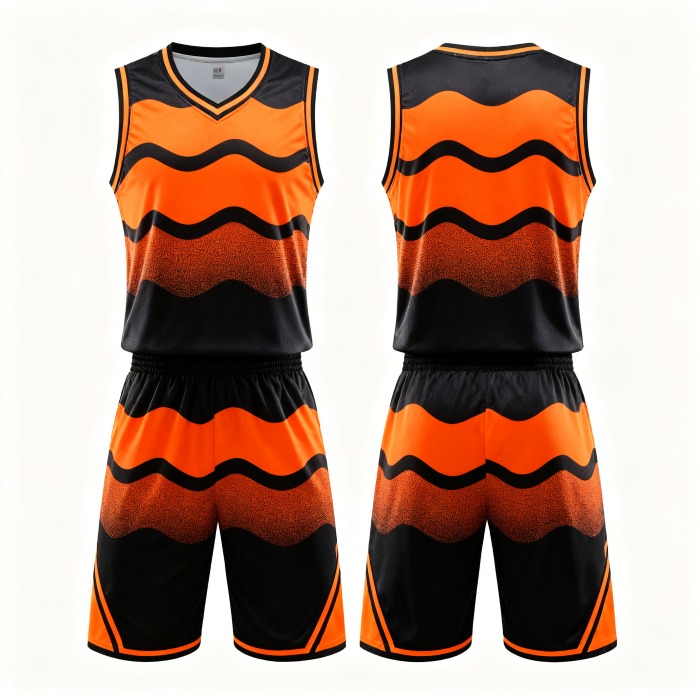
Send your artwork, roster, and required approval points to request a production quote and sample review.






 WhatsApp
 Email
 +8618978569271