Loading
Ordering a new set of kits should be exciting. But for many club managers and retailers, it’s a source of anxiety. You’ve likely heard the stories or experienced them yourself: kits that arrive with inconsistent sizing, colors that fade to a dull grey after three washes, or fabrics that feel heavy and trap heat. Choosing the wrong supplier for your Lightweight Custom Soccer Kit doesn’t just waste your budget; it affects team morale and performance on the field.
My name is Linjing He, and for the last 10 years, I’ve managed sportswear production on the factory floor. I’ve seen firsthand what separates a reliable manufacturing partner from one that creates problems. The difference lies in a few key technical details that are easy to verify if you know what to ask. This guide provides a straightforward framework for vetting suppliers, ensuring the kits you receive are built for performance and durability.
Before you commit to a bulk order, use this checklist to qualify potential manufacturers. A professional supplier will have clear, confident answers for each point. Vague responses are a significant red flag.
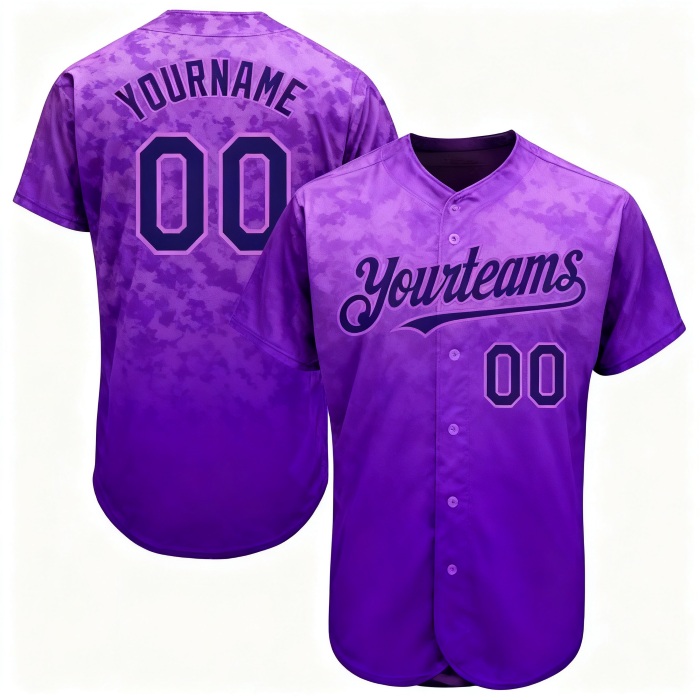
This isn’t just about finding the lowest price. It’s about securing the best value and avoiding costly reprints and delays. Here’s what to focus on.
Focusing solely on the per-unit price is a trap. The true cost of a bad order includes reprints, shipping fees for replacements, and the administrative time spent fixing mistakes. Here are the most frequent errors we see buyers make and how to avoid them.
| Common Mistake | The Consequence | How to Avoid It |
|---|---|---|
| Assuming All Polyester Is Equal | Kits feel rough, don’t wick sweat, and cause chafing. The fabric pills or snags after minimal use. | Request a fabric sample. Confirm the material is 100% polyester with moisture-wicking and 4-way stretch properties. A good supplier will send this readily. |
| Ignoring the MOQ (Minimum Order Quantity) | Small clubs or teams needing just a few fill-in jerseys are turned away or forced to buy more than they need. | Find a supplier with a flexible policy. We have a no-MOQ requirement, which is ideal for small teams. We recently produced uniforms for an Australian soccer club’s three separate teams, each with different quantities. |
| Not Clarifying “Rush Order” Terms | You pay extra for an expedited order, but the supplier’s definition of “rush” is still too slow, or quality is compromised. | Define the exact delivery date needed. Ask, “If I approve the design today, what is the guaranteed ship date for a rush order?” Ensure this is documented. |
| Overlooking the Supplier’s Location and Infrastructure | The supplier is just a trading company with no control over production, leading to poor quality control and communication delays. | Work with a manufacturer located in a known production hub. Our factory is in Guiping, a famous jersey-making town, giving us access to a complete industrial chain for materials and talent. |
For a lightweight soccer kit, the printing method is just as important as the fabric. The goal is a design that is breathable, durable, and integrated into the jersey. While other methods exist, dye-sublimation is the superior choice for modern sportswear.
In dye-sublimation, specialized inks are thermally bonded with the polyester fibers. This means the design becomes part of the fabric itself, rather than a layer sitting on top. This process is what allows for complex, all-over prints without compromising the feel or performance of the garment. It’s the technology behind the vibrant designs seen on professional Soccer Jerseys today.
| Feature | Dye-Sublimation | Screen Printing | Heat Transfer Vinyl (HTV) |
|---|---|---|---|
| Feel & Breathability | Excellent. Zero texture, as the ink is part of the fabric. The garment’s moisture-wicking properties are unaffected. | Fair. The ink creates a noticeable layer that can feel heavy and block fabric pores, reducing breathability in that area. | Poor. The vinyl patch is non-breathable and can feel like a plastic sheet on the skin. Prone to cracking. |
| Durability & Colorfastness | Excellent. The design will not crack, peel, or fade. It lasts as long as the garment itself. We guarantee this for one year. | Good. Can crack or fade over time with repeated washing and stretching. Not ideal for high-contact sports. | Fair. Prone to peeling at the edges, especially with improper washing. Can crack when stretched. |
| Design Complexity | Unlimited. Perfect for full-color photos, complex patterns, gradients, and all-over prints. No extra cost for more colors. | Limited. Best for simple, solid-color graphics. Each color requires a separate screen, increasing cost and complexity. | Limited. Best for simple text and numbers. Complex logos or multi-color designs are difficult and costly. |
| Best Use Case | Professional soccer uniforms, marathon jerseys, and any performance Basketball Jerseys. | Simple cotton t-shirts, event giveaways, or basic one-color logos on training wear. | Individual name and number customization on pre-made jerseys. Not suitable for full custom designs. |
Understanding the manufacturing workflow helps you plan your timeline and know what to expect at each stage. A transparent supplier will guide you through this process. Here is a typical timeline for a custom order.
This entire process, from confirmation to shipment, is completed within our standard 7-10 day production window. This systematic approach allowed us to successfully deliver 1000 event jerseys for a European marathon with time to spare.
Sourcing the right Lightweight Custom Soccer Kit comes down to due diligence. By asking targeted questions about the fabric, printing technology, sizing protocols, and production capacity, you can confidently select a partner who will deliver high-performance apparel that your team can be proud of.
If you have a design in mind or need help choosing the right specifications, our team is ready to assist. Contact us to discuss your project and get a detailed quote.






 WhatsApp
 Email
 +8618978569271